
Last updated November 24, 2026
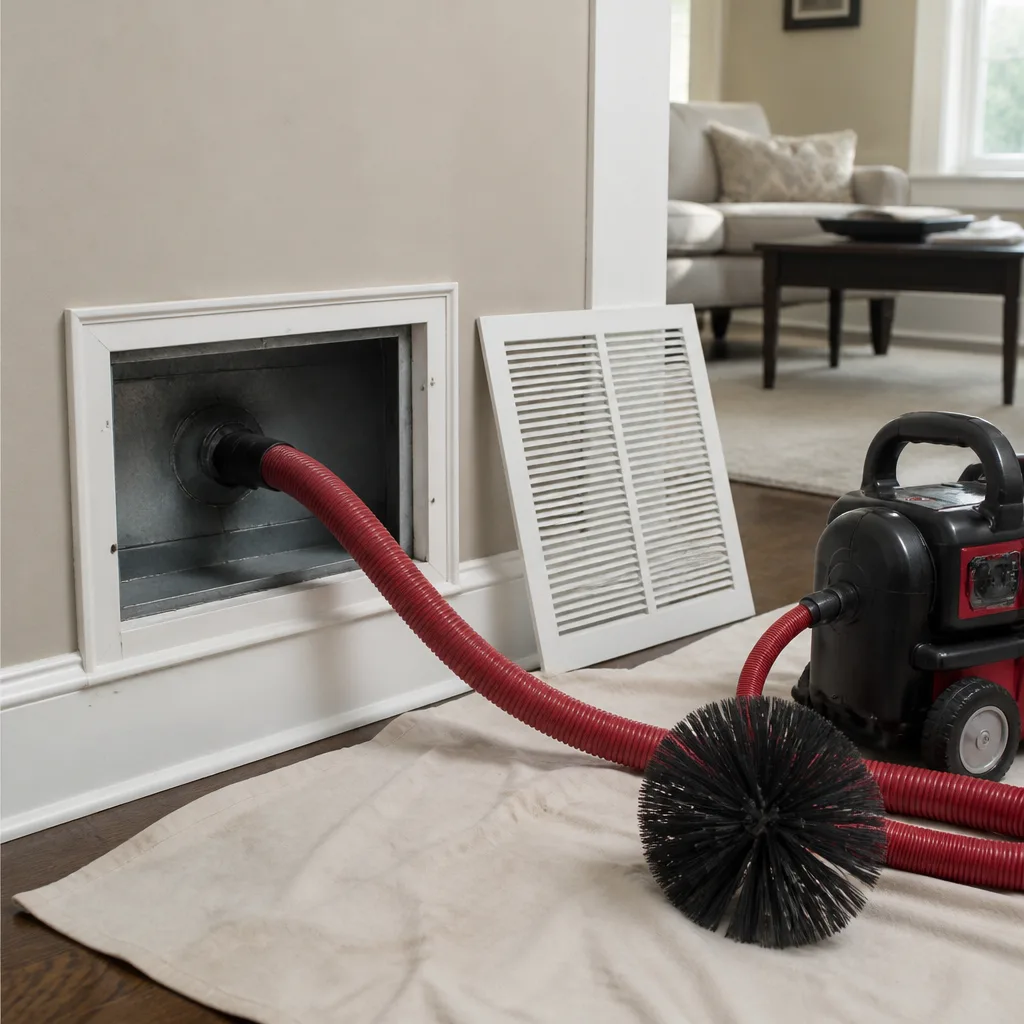 Whole-home duct cleaning
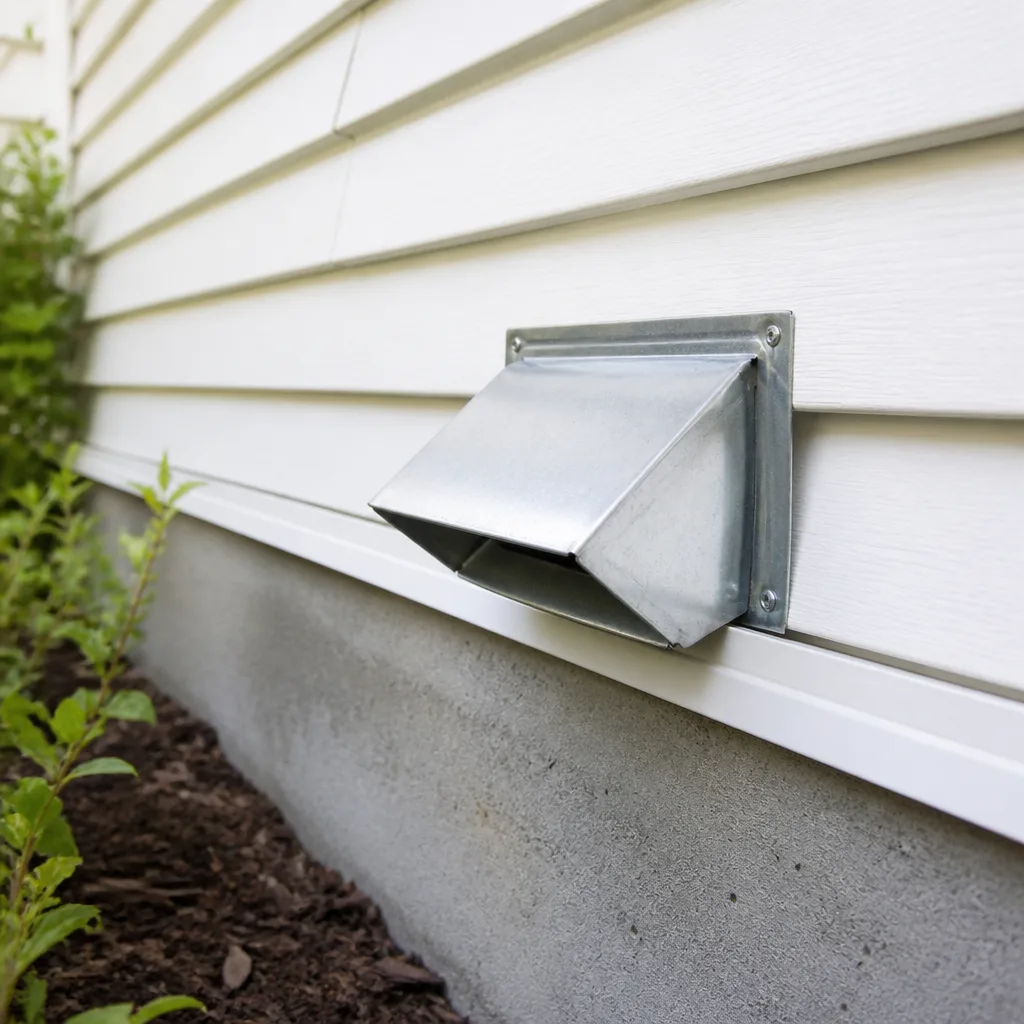 Dryer vent cleaning
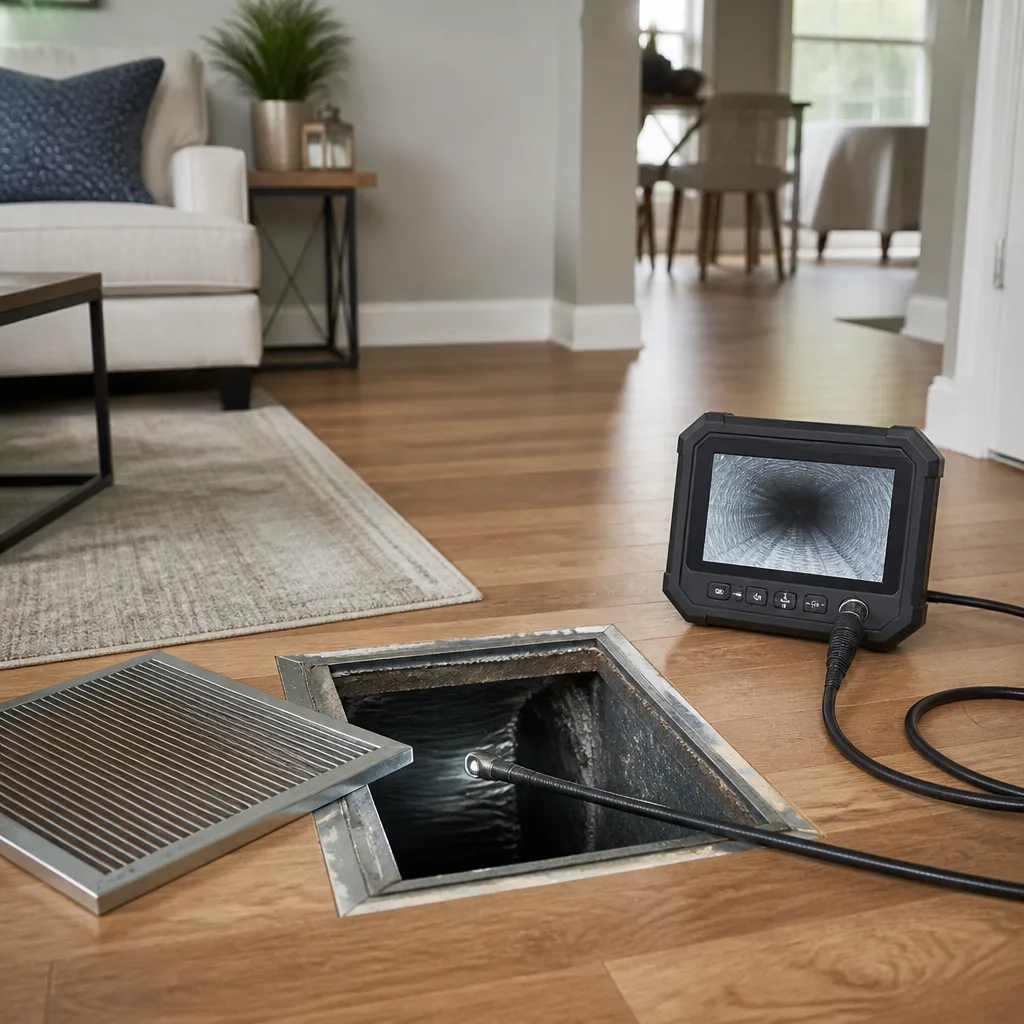 Camera inspection
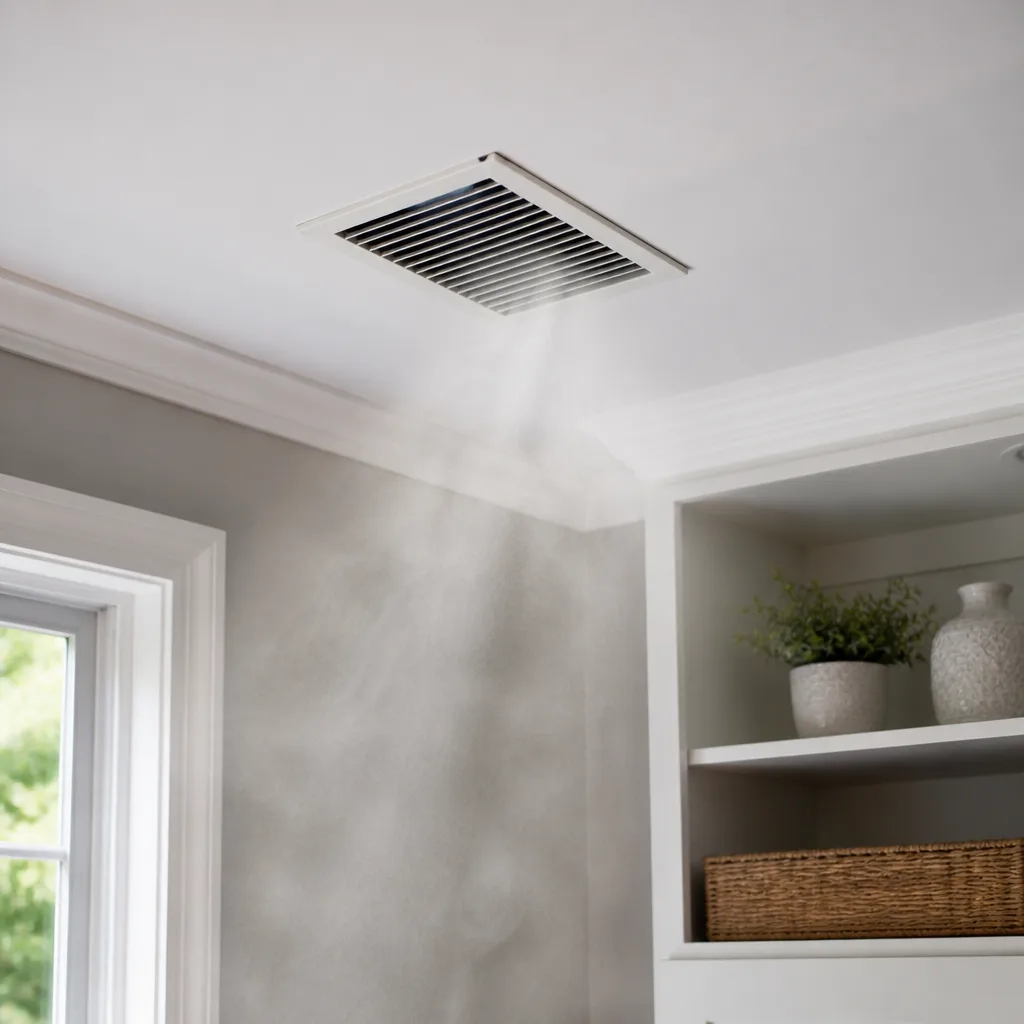 Sanitizing & deodorizing
Whole-system duct and dryer vent check with before-and-after photos - you see exactly what came out of your vents
That "$99 whole-house special" is a bait ad - the real number appears once they are in your hallway, or the "clean" is a shop-vac at the register. We photograph the inside of your ducts before and after instead.
The Complete Guide to Air Duct Cleaning in Madison
Most people picture duct cleaning as a big vacuum pulling dust out of a vent. That picture leaves out almost everything that matters. A standard vacuum hose reaches maybe ten feet into a trunk line. Many Madison homes, especially the older ranch and split-level houses around the Rivergate area, run far more duct work than that through attics, crawlspaces, and slab chases. The dust that causes problems usually sits in the other stretch: the elbows, the branch runs, the return plenum, and the boots where air actually enters your rooms.
This guide explains what a complete air-pathway inspection and cleaning actually covers in a Middle Tennessee home. You’ll learn how your duct layout was probably built, why source removal and surface vacuuming aren’t the same job, why the return side gets neglected, and what a post-job particle count can and can’t tell you. It’s written for homeowners and property managers in Madison who want to compare companies on process and equipment, not just a coupon price.
Quick Answer
Air duct cleaning in Madison removes accumulated dust, pollen, and debris from the full air pathway, including supply and return ducts, the blower and HVAC unit, and dryer vents, using rotary-brush agitation and HEPA-class negative-pressure extraction rather than a shop vacuum. A complete job includes an inspection first, source removal from every branch and both sides of the system, and a post-job check so you can see what was extracted. In Madison’s humid, high-pollen climate, most homes benefit from an inspection every couple of years and cleaning based on what that inspection finds, not on a fixed calendar.
Styles & brands we work with
- Whole-home duct cleaning
- Dryer vent cleaning
- Camera inspection
- Sanitizing & deodorizing
Table of Contents
- How a Madison Home’s Duct System Is Actually Built
- Surface Vacuuming vs. Source Removal: What’s the Real Difference?
- Why the Return-Air Side Defeats a Half-Done Cleaning
- What Equipment Distinguishes a Professional Job?
- How Madison’s Humidity and Pollen Load Affect Your Ducts
- What a Cleaning Certification Actually Verifies
- What a Complete Cleaning Looks Like, Step by Step
- What Does Air Duct Cleaning Cost in Madison?
How a Madison Home’s Duct System Is Actually Built
Before you can judge a cleaning, you have to know what’s under the floor. Three construction patterns dominate the Madison area, and each one creates different places for debris to collect.
- Crawlspace and attic-run systems. Common in the older ranch and cottage-style homes closer to downtown Madison and along the Amqui area. The supply trunk runs through the crawlspace or attic with flexible or sheet-metal branch runs feeding floor and ceiling registers. These runs sag, collect moisture, and gather dust at every low point.
- Slab-built systems. Many mid-century and newer subdivisions sit on slab, with duct work routed in shallow chases or overhead in the attic. Slab chases are harder to access and are where a short vacuum hose gives up early.
- Two-story and converted homes. Splits and additions often mean a mix of systems: an older trunk feeding newer flexible runs, sometimes with mismatched sizing. That’s where leaks and pressure imbalances show up first.
Middle Tennessee’s clay soil matters here too. It expands and contracts with the seasons, and slab and crawlspace foundations move with it. Over time, that movement can open seams, pull flexible duct off collars, and let crawlspace air and insulation fibers into the supply side. When we trace the full air pathway, from return grille to blower unit, before any cleaning begins, we’re mapping those weak points first. That’s why a real inspection comes before a single brush goes in.
Once we know the layout, we can tell you what a complete cleaning will actually involve for your house, not a generic version of it. The team at Madison Air Duct Cleaning Co handles that inspection as the first step of every job.
Surface Vacuuming vs. Source Removal: What’s the Real Difference?
Surface vacuuming pulls loose dust off the duct walls nearest the register. Source removal dislodges the bonded layer that’s stuck to the metal and the flexible liner, then extracts it under containment so it can’t recirculate into your living space. The second one is the actual job. The first one is what a lot of cheap quotes deliver.
The distinction isn’t marketing language. It comes down to three mechanical differences:
- Agitation. Dust that’s been sitting in a duct for years bonds to the surface. Suction alone won’t lift it. Rotary brushes physically break that bond along the full length of the run, which is why a Rotobrush-style system reaches where a straight hose can’t.
- Containment. When you disturb years of debris, some of it becomes airborne. Negative-pressure extraction with HEPA-class filtration keeps that material inside the system until it’s captured, rather than blowing it into the room. Without that containment, you can make indoor air worse before you make it better.
- Coverage. A complete job reaches every branch run, the boots, the plenum, and the blower compartment. A surface pass touches the first few feet of each register and calls it done.
This is also where the return side comes in, which we’ll get to next. If a company only cleans the supply registers you can see, they’ve done roughly half the work. You can read more about the full-service scope on our air duct cleaning page, but the short version is this: ask any company you’re comparing what they do about the return.
Why the Return-Air Side Defeats a Half-Done Cleaning
Your HVAC system is a loop. Air leaves through the supply ducts, warms or cools your rooms, and comes back through the return ducts to be filtered and conditioned again. Most cleaning quotes focus on the supply side because that’s what homeowners can see at the floor and ceiling registers. The return side, especially the main return plenum near the air handler, is where the heaviest dust load usually lives.
Here’s why that matters. The return is the intake. It pulls air, and everything in that air, toward the blower. If the return trunk and plenum stay dirty, that contamination gets pulled back into the system and pushed out through the supplies you just had cleaned. You’ve spent money cleaning one half of a loop that will re-dirty the other half within weeks.
- Return grilles and their filter slots collect pet hair, lint, and pollen that bypasses a cheap filter.
- The return plenum and drop are often the dustiest section in the entire system.
- A dirty return means the blower is working harder, which shows up on your energy bill and on component wear.
In our experience, the return side is the single most common gap in a “bargain” duct cleaning. When we clean, both sides get the same treatment. We also check the seals around the return plenum while we’re there, because a leaky return in a crawlspace or attic can pull unconditioned, dusty air straight into the loop. That’s a duct repair issue, and we handle it in-house on the same visit rather than handing you off to someone else.
What Equipment Distinguishes a Professional Job?
The equipment behind a duct cleaning is the clearest signal of what kind of job you’re actually buying. A shop vacuum and a ladder is one thing. A rotary-brush extraction system paired with HEPA-class negative-pressure containment and on-site air filtration is another. In Madison, you’ll see both types of operation quoted, and the price gap often comes down to exactly this.
Here’s what to look for when you compare companies, and what we put on every job:
- Rotary-brush extraction. Rotobrush systems agitate and remove debris along the full duct length. This is the professional standard, not consumer gear moved from job to job.
- HEPA-class negative-pressure equipment. Nikro units create the containment that keeps disturbed debris from drifting into your rooms.
- On-site air filtration. We deploy Abatement Technologies filtration during the job to capture particulates in real time as they’re disturbed. It’s the difference between cleaning a duct and cleaning the air around it.
- Air-quality products for after the job. Honeywell and Aprilaire components let us address filtration and humidity control once the ducts are clean, so the system holds its condition longer.
Equipment you can name is equipment you can ask about. When a company quotes you, ask what brand of containment and agitation gear they use. If the answer is vague, that tells you something. Cleaner air backed by equipment you can name is the standard worth holding a contractor to.
How Madison’s Humidity and Pollen Load Affect Your Ducts
Middle Tennessee summers are humid, and the pollen season here is long, running from early spring tree pollen through summer grasses and into fall weeds. Both of those conditions change how quickly ducts re-contaminate after cleaning. A home in a drier climate might go years between cleanings. A Madison home that runs its system hard through a humid summer and a heavy pollen spring can build up dust and biological growth faster.
Two local realities drive this:
- Humidity and condensation. When cool supply air meets warm, humid crawlspace or attic air in a leaky duct, condensation forms. Moisture plus dust is what feeds the dark staining and musty smell some homeowners notice at the registers. That’s a duct-sealing problem as much as a cleaning problem, which is why we offer duct repair and sealing as part of the work.
- Pollen pulled in through the return. Your system draws outdoor pollen in through the return, and whatever filter you run determines how much reaches the blower and the supply side. A properly matched filter in a sealed return makes a measurable difference.
This is also why we sanitize after cleaning, not instead of it. Sanitizing treatment follows the physical removal. It reduces surface contaminants on clean metal. It does not substitute for getting the debris out, and any company that offers sanitizing as a stand-alone fix is skipping the part that matters. If you want to reduce how fast Madison’s climate re-contaminates your system, sealing the leaks and upgrading filtration is the more durable answer.
What a Cleaning Certification Actually Verifies
A cleaning certification, or a post-job particle count, is only as meaningful as the method behind it. A certificate that says “cleaned” with no measurement verifies that a technician showed up. A post-job particle count taken before and after, under controlled conditions, verifies that airborne particulates in a sampled area actually dropped. Those are two very different levels of proof, and you should know which one you’re being offered.
What a real verification should include:
- A documented before-and-after inspection of the duct interior, ideally with photos you can see.
- Confirmation that both supply and return sides were addressed, with the plenum and blower included.
- A particle count or visual assessment taken after extraction and containment are complete, not mid-job.
- A written summary of any leaks, gaps, or damaged sections found, and what was done about them.
Before-and-after photos of your own ducts are the most grounding proof you can get, because they show your system, not a stock image. A technician’s verbal assurance is worth something, but only when it’s backed by what you can see. If a company can’t show you what came out, ask why. On our jobs, we document the inspection and the extraction so you have a record of what was actually removed.
What a Complete Cleaning Looks Like, Step by Step
A complete cleaning follows a fixed order. Skipping a step, or reordering them, is how jobs end up half-done. Here’s the sequence we follow on a Madison home, and the sequence worth asking any company about.
- Full inspection and layout mapping. We trace the air pathway from return grille to blower, note the system type (crawlspace, slab, attic), and identify weak points, leaks, and damaged runs.
- Containment setup. Negative-pressure equipment and on-site filtration go in before any agitation begins, so disturbed debris stays captured.
- Supply-side source removal. Rotary-brush agitation along each branch run, boot to trunk, with extraction following the brush.
- Return-side cleaning. The return grilles, trunk, and plenum get the same treatment. This is the half most quotes skip.
- HVAC unit and blower cleaning. The air handler, blower wheel, and coil area are cleaned so the system isn’t pushing debris back into clean ducts. Learn more on our HVAC cleaning page.
- Sanitizing treatment. Applied after physical removal, to the surfaces that are now clean.
- Duct repair and sealing. Any leaks, gaps, or disconnected runs found during the inspection are corrected on the same visit.
- Dryer vent cleaning. The dryer vent is part of the air pathway too, and lint buildup is its own fire risk. See our dryer vent cleaning page for how that’s handled.
- Post-job verification. A final inspection, particle check, and before-and-after documentation so you can see the result.
Every step in that list serves a purpose, and none of them are optional on a job done right. When a company offers a lower price, ask which step they’re leaving out.
What Does Air Duct Cleaning Cost in Madison?
Air duct cleaning in Madison is priced per system, based on the size and layout of your home and the condition of the ducts, not per vent. That’s an important distinction, because per-vent pricing is how a low quote becomes a much larger invoice once the technician is on site. We give one flat price per system, agreed before work starts, and the written estimate sets the final price.
What shapes the estimate:
- System size and layout. A small ranch with a single trunk costs less than a two-story with multiple zones and long branch runs.
- Condition found at inspection. Heavy debris, moisture staining, or damaged flex runs add scope.
- Add-on services. HVAC unit cleaning, sanitizing, dryer vent cleaning, and duct repair and sealing are quoted as part of the system price or as separate line items, depending on what your home needs.
- Access. Slab chases and tight attic runs take more time than open crawlspace systems.
We don’t quote per-vent prices or teaser coupons, because those numbers rarely match the final invoice. What we do is walk the system with you, explain what we found, and give you a written estimate before any work begins. The estimate is free. If the number seems high compared to another quote, ask what that quote includes, especially about the return side, containment, and whether repair work is in-house or referred out.
Common Mistakes to Avoid
- Assuming a low quote means a good deal. A price that looks great on the phone often means no return-side cleaning, no containment, or per-vent pricing that balloons on site. Ask what the number covers before you book.
- Cleaning the supply side only. This is the most common error in Madison homes. If the return and plenum don’t get cleaned, the system re-contaminates the supply side within weeks.
- Sanitizing before cleaning. Spraying a sanitizer onto dirty duct walls seals the debris in. Physical removal comes first; sanitizing follows.
- Ignoring leaks found during cleaning. A disconnected flex run or gap at a collar lets crawlspace air into the supply. If the company can’t repair it in-house, ask who will and when.
- Skipping the HVAC unit. A dirty blower pushes debris into clean ducts. The air handler is part of the system and needs its own cleaning.
- Treating duct cleaning as a one-time event. In Madison’s humidity and pollen load, re-inspection every couple of years is realistic. Sealing leaks and running a properly matched filter slows re-contamination between cleanings.
- Accepting a verbal “all done” with no documentation. Ask for before-and-after photos of your own ducts. If you can’t see what came out, you don’t know what was removed.
See the difference
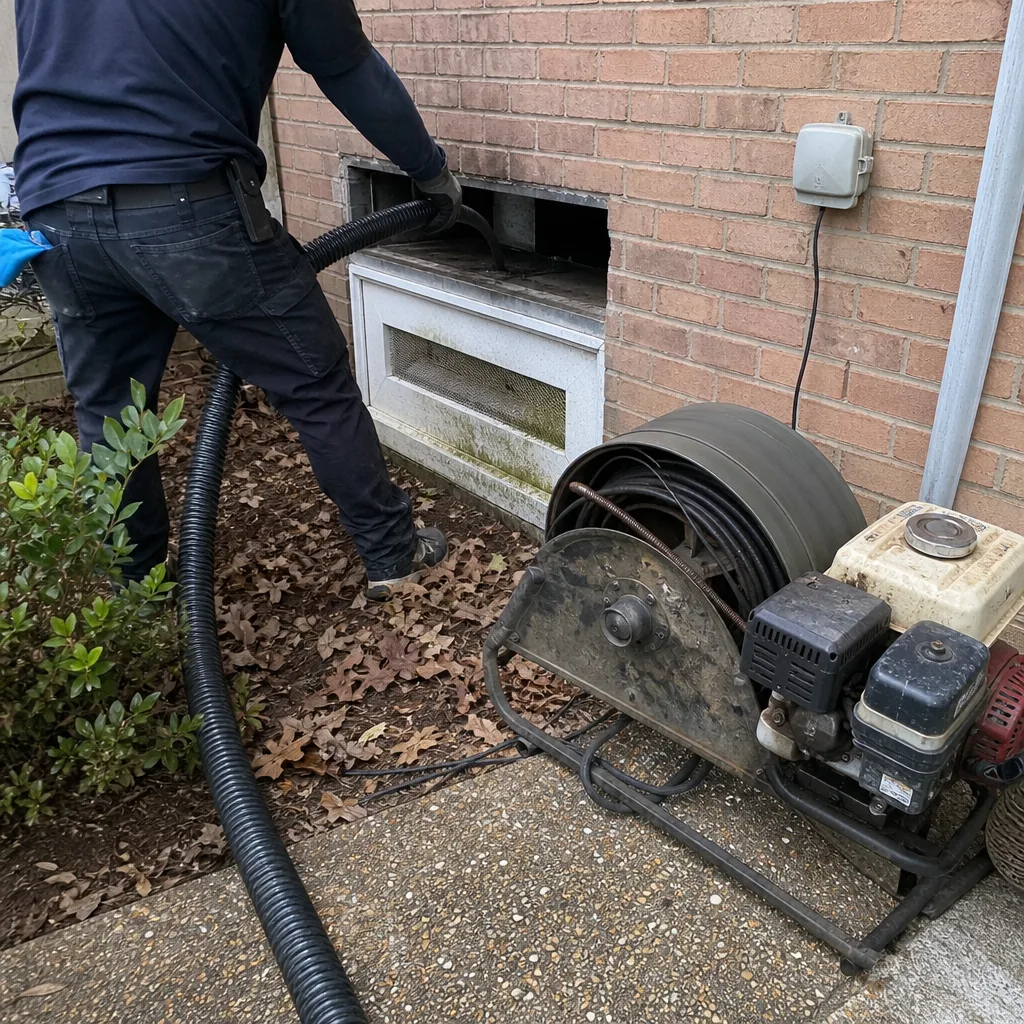 Before
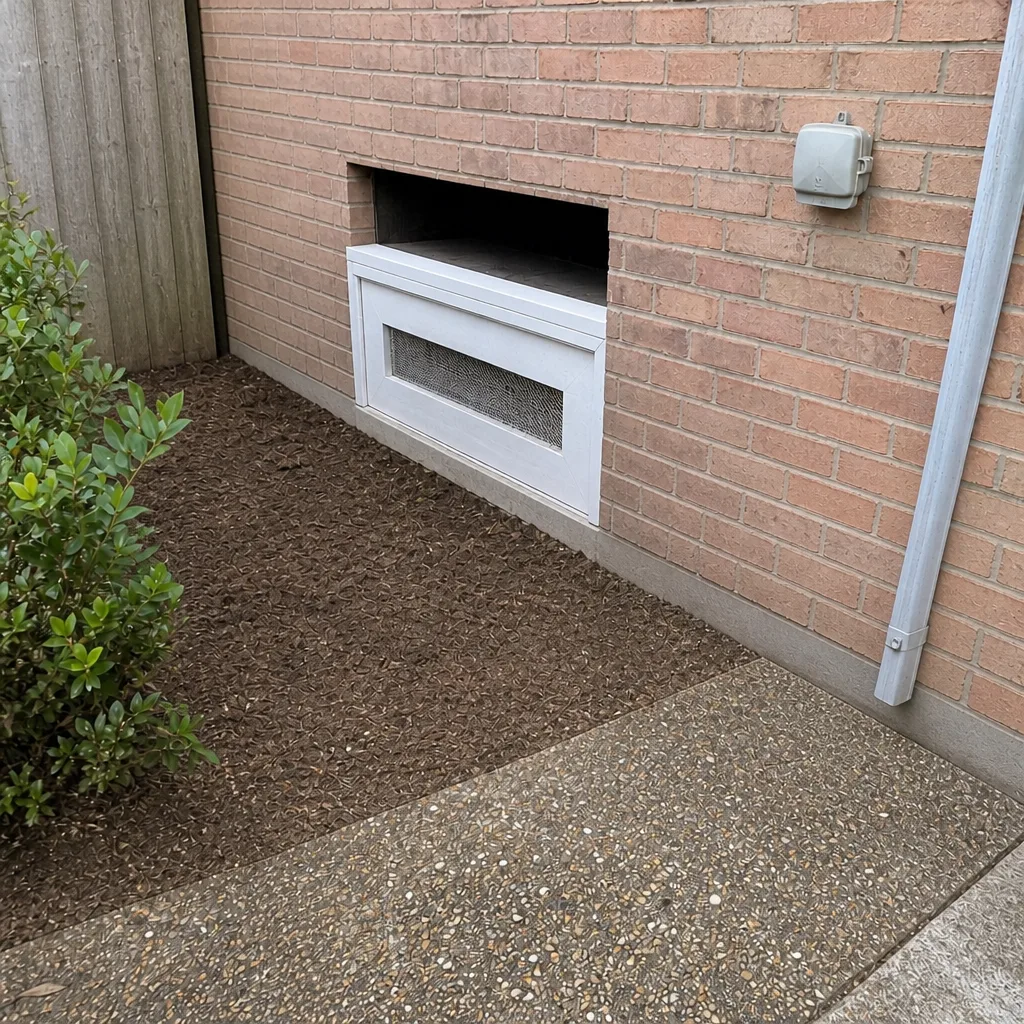 After
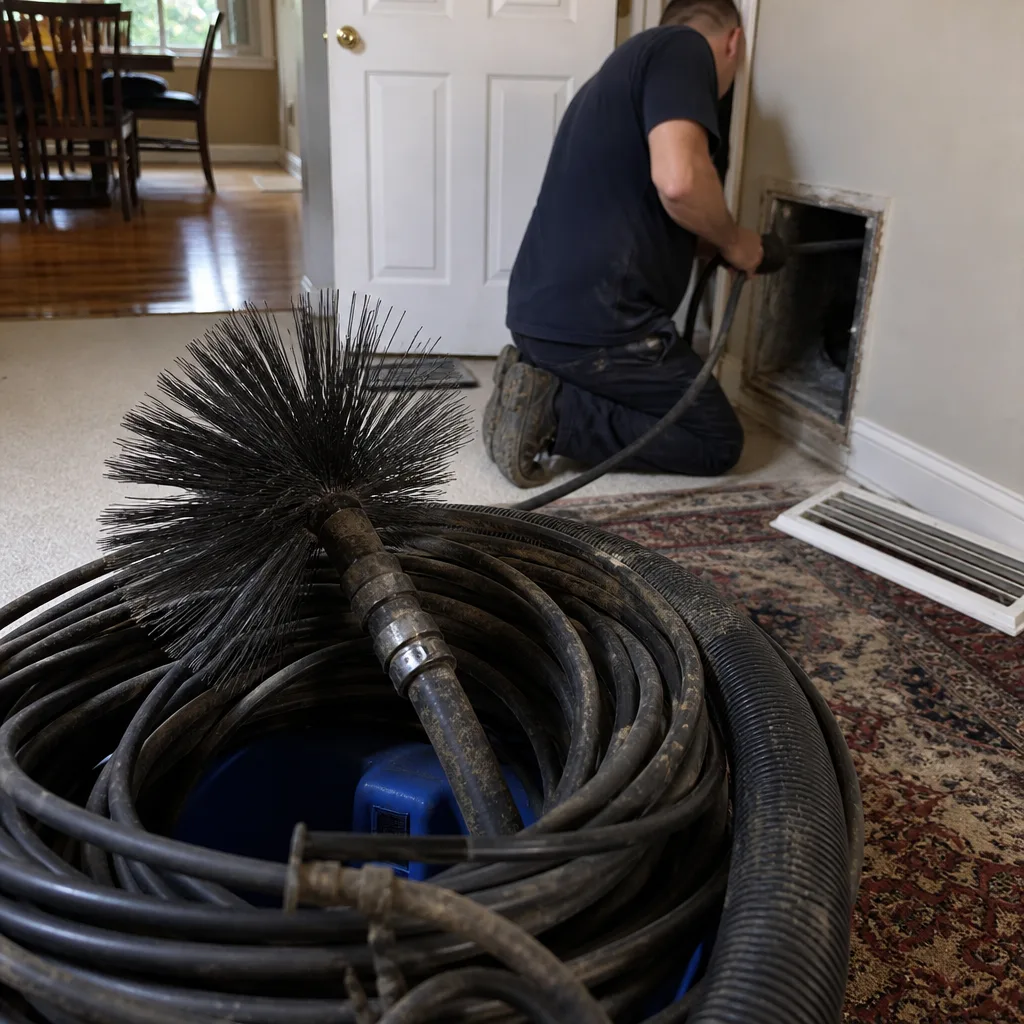 Before
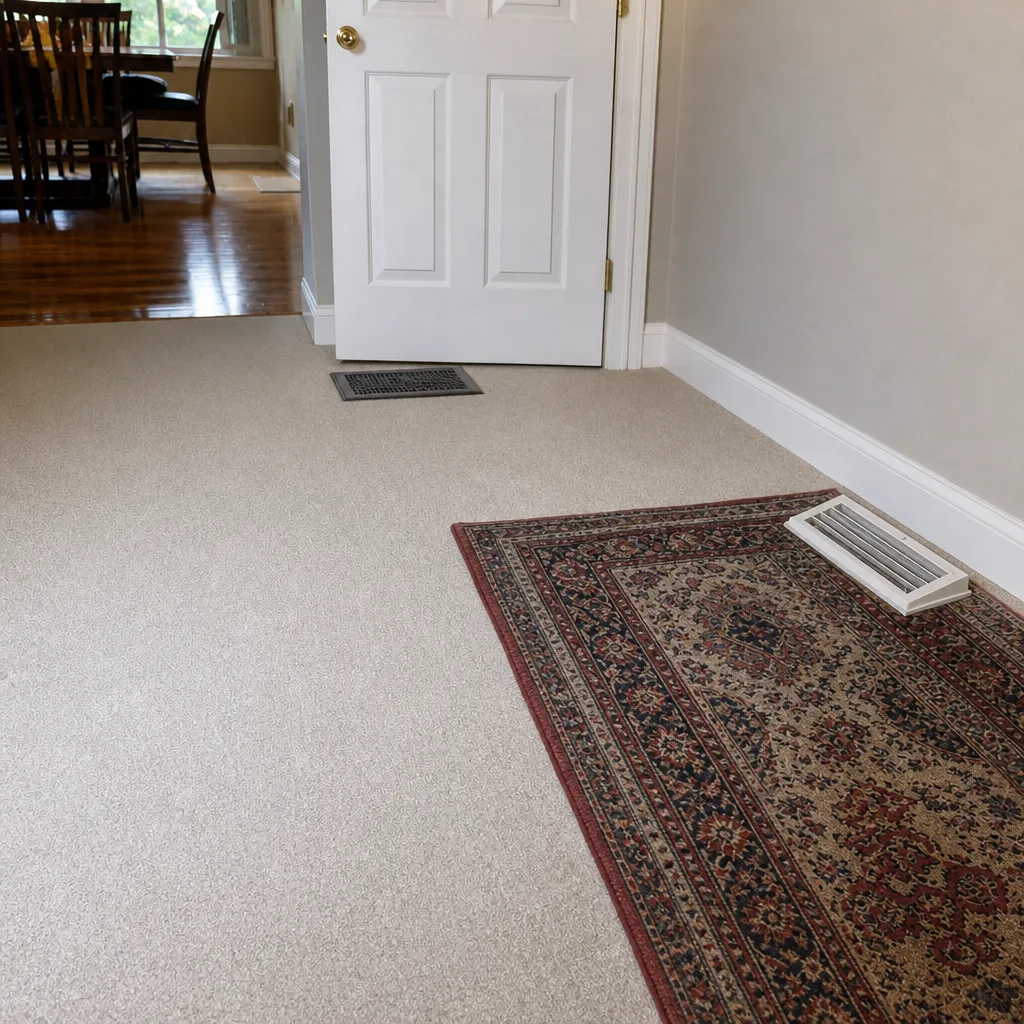 After
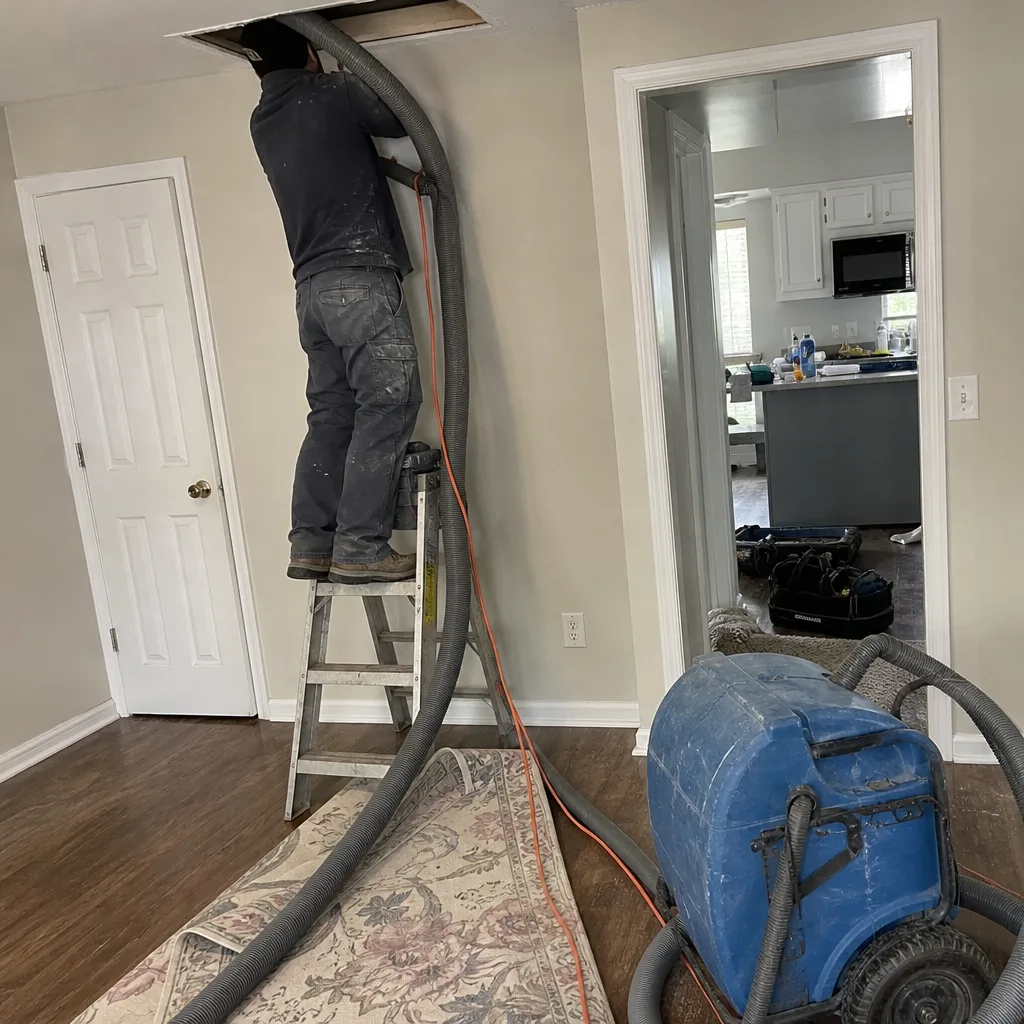 Before
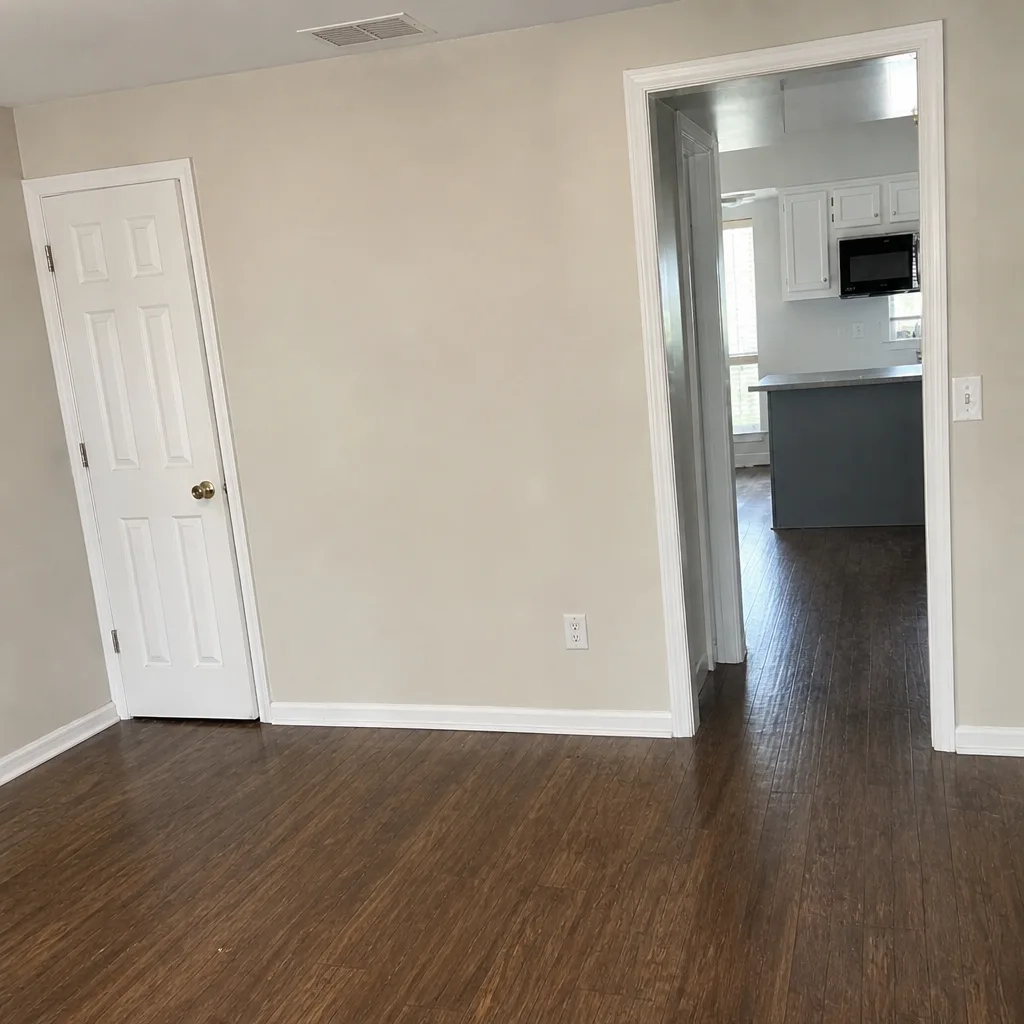 After
When to Call a Professional
Some signs call for a professional inspection rather than a wait-and-see approach. Visible dust streaking around the registers, a musty smell when the system starts, or a noticeable drop in airflow are the obvious ones. Persistent allergy symptoms that ease when you’re away from home, or a blower that’s working harder than it used to, are worth a look too. If you’ve done remodeling, the drywall dust and debris that got pulled into the return is another clear reason to have the system checked. And if a house has been vacant or you’ve just moved into a Madison property, an inspection tells you what you inherited before you start running the system hard. Madison Air Duct Cleaning Co offers free estimates in Madison – call (844) 443-4890.
Frequently Asked Questions
Air duct cleaning in Madison is priced per system based on your home’s size, duct layout, and the condition found at inspection, rather than per vent. The written estimate sets the final price, and we give you one flat price per system before any work begins. Call (844) 443-4890 for a free estimate – we’ll walk the system with you and explain what we find.
Cheaper quotes usually leave out the return side, skip HEPA containment, price per vent and then add on, or use surface vacuuming instead of rotary-brush source removal. Ask any company what their quote covers for the return plenum, the blower, and containment, and the gap usually explains itself. Call (844) 443-4890 if you’d like a quote that spells out the full scope.
Ask for before-and-after photos of your own ducts and a post-job particle count or inspection summary. A technician’s word alone is worth less than documented extraction from the specific runs in your home. We document the inspection and the removal so you can see what came out.
There’s no fixed calendar. In Middle Tennessee’s humid, high-pollen climate, an inspection every couple of years makes sense, and cleaning happens when the inspection finds enough buildup to justify it. Homes with pets, recent remodeling, or a long pollen season may need it sooner. Call (844) 443-4890 to schedule an inspection.
Removing accumulated dust and pollen from the full air pathway, and sealing the leaks that let outdoor air in, reduces what your system circulates. It’s not a cure for allergies, and we don’t present it as one. What it does is remove a reservoir of material that a well-sealed, well-filtered system otherwise recirculates. Call (844) 443-4890 for a free estimate.
Sanitizing is a surface treatment applied after physical removal, to clean metal and liner. It does not replace cleaning, and it should never be offered as a substitute for source removal. If a company is selling you sanitizing without cleaning the debris out first, the treatment isn’t doing what you think it is.
The Bottom Line
A complete duct cleaning in Madison reaches the whole air pathway: the supply branches, the neglected return side, the plenum, the blower, and the dryer vent. It uses rotary-brush agitation and HEPA-class containment, not a shop vacuum, and it repairs leaks and gaps rather than cleaning around them. In our humid, high-pollen climate, source removal plus sealing and filtration is what holds, and a per-system estimate agreed in writing is what you should expect from any company you hire. If you want the full job done and documented, with equipment you can name, call (844) 443-4890 for a free estimate. We answer 24/7. Fast dispatch from 7am to 7pm, Sunday through Friday.
Written by the team at Madison Air Duct Cleaning Co.