
Last updated November 24, 2026
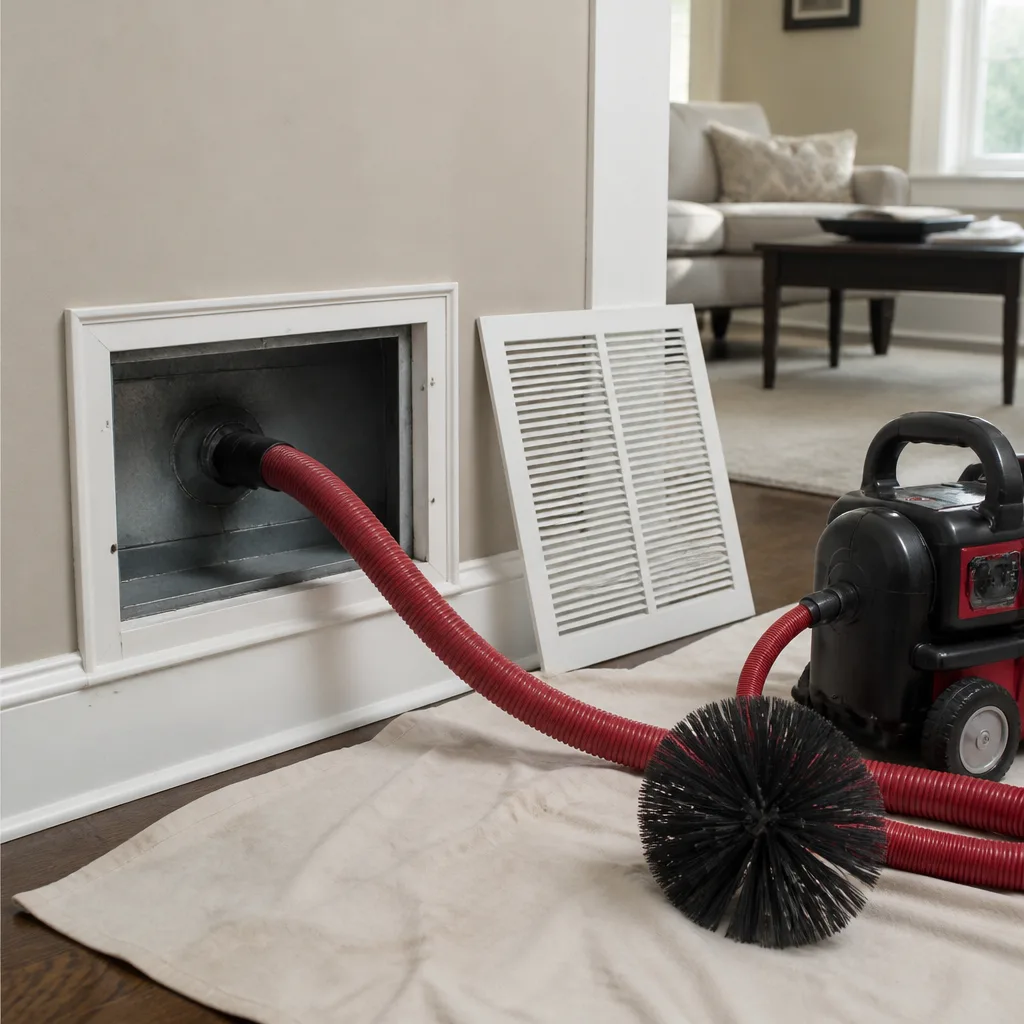 Whole-home duct cleaning
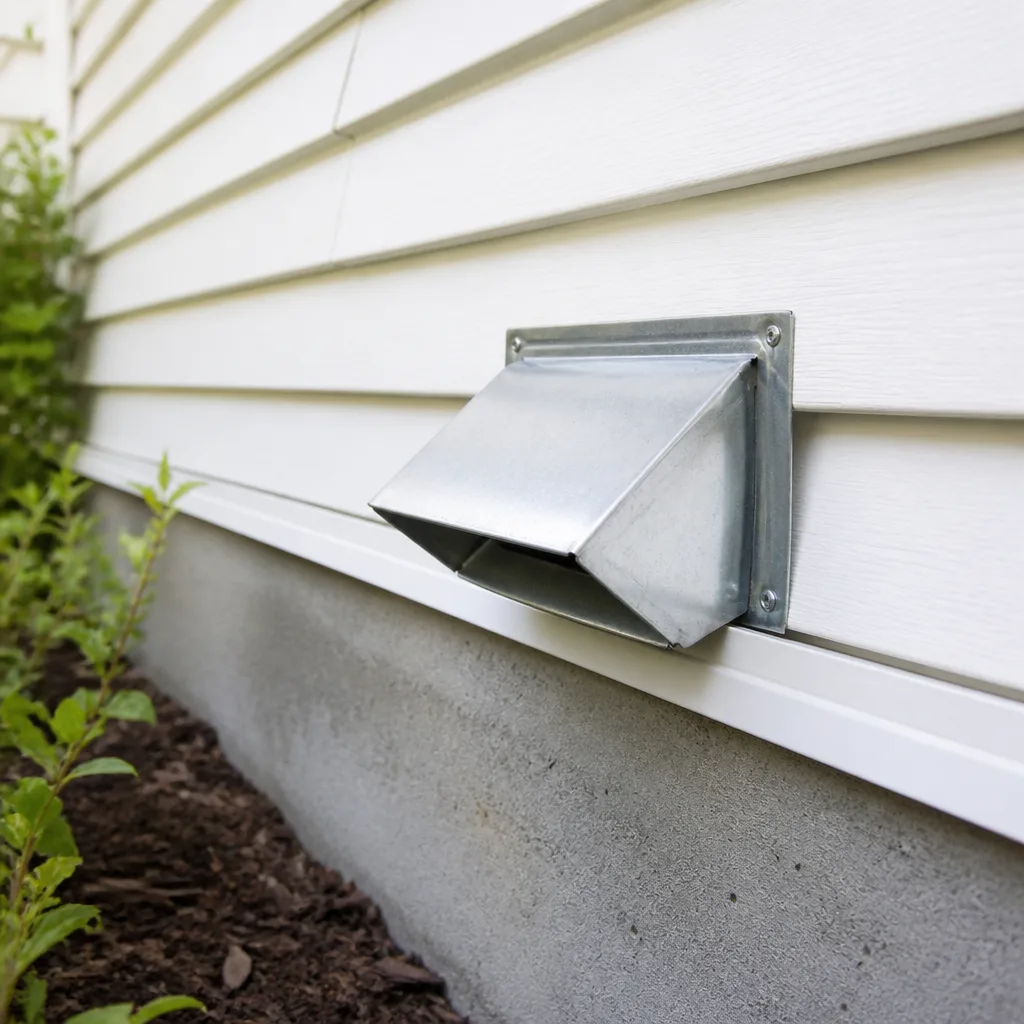 Dryer vent cleaning
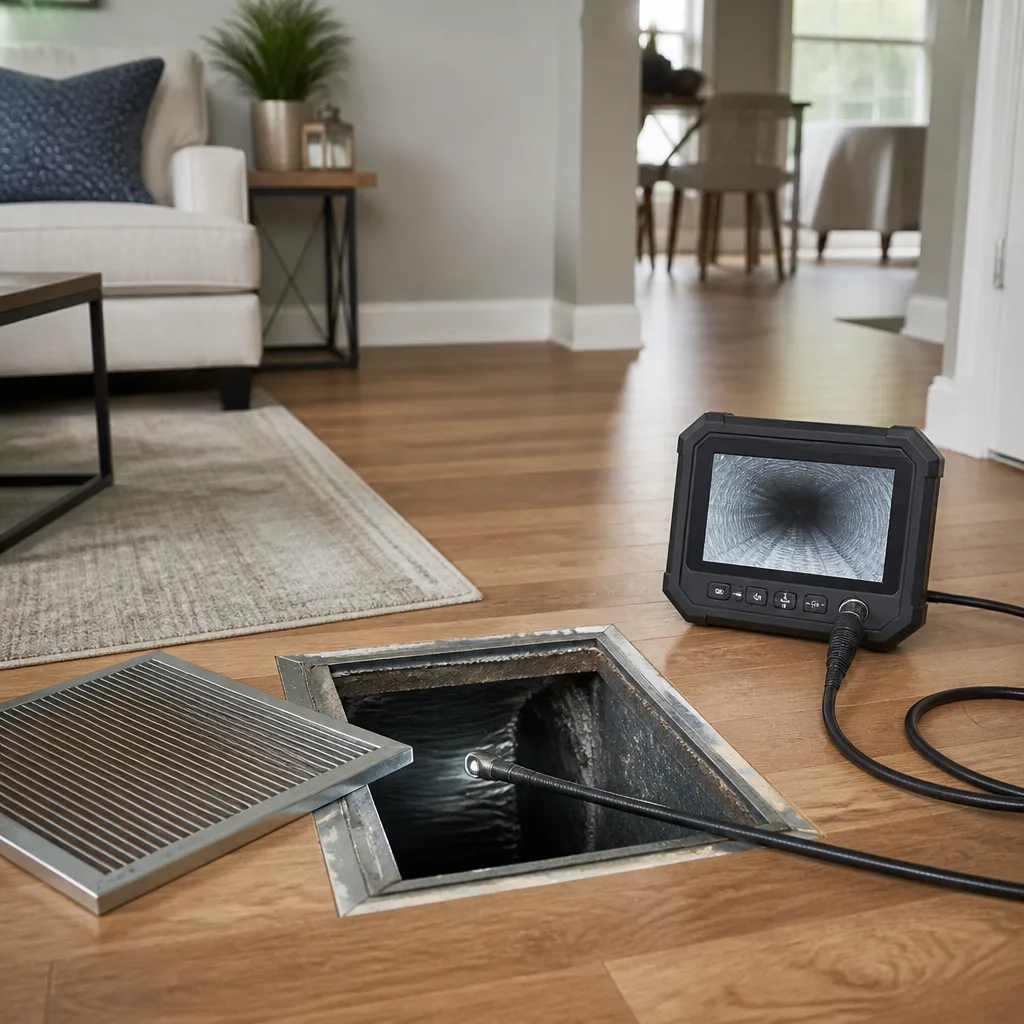 Camera inspection
 Sanitizing & deodorizing
Whole-system duct and dryer vent check with before-and-after photos - you see exactly what came out of your vents
That "$99 whole-house special" is a bait ad - the real number appears once they are in your hallway, or the "clean" is a shop-vac at the register. We photograph the inside of your ducts before and after instead.
Choosing the Right Air Duct Cleaning Brand: A Buyer’s Guide for Madison
When you hire an air duct cleaning company, you’re hiring the equipment as much as the technician. Two companies with the same price and the same sales pitch can be running systems with a tenfold difference in source-removal capacity, and the homeowner writing the check has no easy way to tell them apart. That’s the part of this trade almost nobody explains. The word “brand” gets thrown around to mean the logo on the van, but in duct cleaning it should mean the equipment manufacturer – the machines actually doing the work inside your ducts. This guide shows you how to evaluate any local contractor by what they bring through the door, with Madison-specific context along the way.
Quick Answer
The right air duct cleaning brand in Madison comes down to three things: professional-grade extraction equipment (Rotobrush rotary-brush systems or a truck-mount rated to move serious air), true HEPA filtration that prevents the vacuum from redistributing what it collects, and a contractor willing to name their specific equipment model and cross-reference its rated CFM against industry minimums. Price and marketing slogans tell you very little. Equipment class, containment, and scope tell you almost everything. If a company can’t answer “what machine are you bringing?” with a brand and model, keep looking.
Styles & brands we work with
- Whole-home duct cleaning
- Dryer vent cleaning
- Camera inspection
- Sanitizing & deodorizing
Table of Contents
- What “Brand” Actually Means in Duct Cleaning
- The Equipment Brands That Matter and What Separates Their System Classes
- How to Read CFM Ratings Against Source-Removal Thresholds
- Truck-Mount Versus Portable Units: When Each Is the Right Tool
- What HEPA Filtration on the Extraction Unit Means for Your Home
- The Questions to Ask a Madison Contractor Before You Book
- Madison Climate, Housing, and Why Equipment Choice Matters Here
- Scope: Why Full-Airway Service Beats Single-Service Duct Cleaning
What “Brand” Actually Means in Duct Cleaning
Most homeowners searching for the best air duct cleaning company in Madison TN start with the name on the website. That’s a reasonable instinct, but it points at the wrong thing. The brand that determines the outcome of your job is the equipment manufacturer, not the service company. A local operator is essentially a delivery mechanism for a machine, and the machine’s class sets the ceiling on how much debris actually leaves your ducts.
Here’s why this matters. Air duct cleaning is a source-removal job. The debris, dust, pet hair, lint, and loose construction material sit on the walls of your supply and return runs. To remove them you need to dislodge the material from the duct surface and capture it in the same motion. A rotary brush agitates the wall; a powerful vacuum with proper filtration pulls the material away. Skip either half and you’ve moved the dirt around rather than removed it.
Equipment tiers break down roughly like this:
- Consumer and shop-vac rigs – the “two guys and a vacuum” setup. Low airflow, no true HEPA, no containment. Dislodges debris but can’t capture it.
- Portable professional extractors – purpose-built duct cleaning machines with rotary brush heads. Genuinely capable on single zones or smaller homes.
- Truck-mount and high-CFM extraction systems – the commercial and industrial class. Sustained high airflow, negative-pressure containment, HEPA exhaust. Built for full-house jobs on the scale of a whole HVAC system.
When we evaluate a job for Madison Air Duct Cleaning Co, we start with the air pathway itself – return grilles, supply runs, blower unit, and coil – before any cleaning begins. The equipment has to match what we find. And “brand” is the shorthand for that match. A company advertising itself as the best in town is giving you a sales claim. A company naming its Rotobrush model and its Nikro containment unit is giving you a fact you can check.
The rest of this guide walks through what to look for so you can make that check on any contractor, not just us.
The Equipment Brands That Matter and What Separates Their System Classes
Once you start looking, professional duct cleaning equipment narrows to a handful of names. Knowing them helps you sort real capability from marketing gloss. Each brand has system classes, and the class matters more than the logo.
Rotobrush
Rotobrush built its reputation on rotary-brush extraction systems. The brush head spins against the duct wall to dislodge debris while the machine’s vacuum pulls it back into a filter. It’s a two-in-one approach and it’s considered the professional standard for dislodging and removing material from duct walls. Rotobrush offers portable units designed for residential work and larger configurations for bigger jobs. When a contractor says they use Rotobrush, ask which model and whether it’s the portable or the higher-capacity unit.
Abatement Technologies
Abatement Technologies makes what’s called negative-air and HEPA filtration equipment, most often associated with mold remediation and restoration work. In duct cleaning, an Abatement unit deployed on-site actively captures dislodged contaminants in real time rather than recirculating them back into the living space. Think of it as extra containment for the particles that get knocked loose during cleaning. When a Madison home has pets, recent renovation dust, or a system that hasn’t been cleaned in years, that live capture layer is doing real work.
Nikro
Nikro makes HEPA-class extraction and vacuum equipment, including units set up for negative-pressure containment during duct cleaning. HEPA-class filtration is the homeowner-facing difference here: the machine’s exhaust air is filtered to a level where the vacuum isn’t just blowing debris back into the room. Negative-pressure containment means the machine keeps the work zone at slightly lower pressure than the surrounding rooms, which pulls air (and debris) toward the filter rather than away from it.
ProAir
ProAir is another name in the professional ventilation and duct cleaning equipment space, particularly around high-volume air movers and negative-air machines. The point isn’t to memorize every brand. It’s to recognize that a real professional contractor can name their equipment because the equipment is the core of the work.
The pattern across all these brands is that their system classes are tiered. The entry-level unit and the high-capacity unit may share a logo and have wildly different performance ratings. That’s the trap marketing copy falls into. The logo alone tells you nothing; the specific model tells you everything.
How to Read CFM Ratings Against Source-Removal Thresholds
CFM means cubic feet per minute. It’s the volume of air a machine can move, and in duct cleaning it’s a reasonable proxy for extraction power. Higher CFM means more air is being pulled through the system and more debris is being carried out of the duct and into the filter. If a contractor’s machine pulls 500 CFM and another pulls 3,500 CFM, those are different classes of work regardless of how similar the two companies’ brochures look.
The National Air Duct Cleaners Association (NADCA) publishes standards for assessing and cleaning HVAC systems and sets minimum airflow thresholds for source removal. Those thresholds exist because a machine that can’t sustain enough airflow simply cannot remove the debris load. It can stir it up and leave it in the returns. If you want to compare a contractor’s claims against a real standard rather than a marketing phrase, this is where to do it. Ask the contractor for the machine’s rated CFM and the NADCA minimum for that type of job, and see if the two numbers line up.
Here’s how to make that comparison on a real call:
- Ask for the machine brand and model. Not “professional equipment” – the actual brand and specific model. Rotobrush, Nikro, and ProAir are the names to listen for.
- Ask whether it’s a truck-mount or a portable unit. Both have legitimate uses. The answer tells you how they’ll handle a whole-house job.
- Ask for the rated CFM. Any contractor doing this work honestly will know their machine’s spec.
- Cross-reference against NADCA’s threshold for your job type. If the CFM doesn’t clear the minimum, you’ve found your answer.
- Ask what happens to the air the machine exhausts. If it doesn’t run through HEPA-class filtration, it’s recirculating dust back into your house.
For Madison homeowners, this checklist is the fastest way to separate a contractor who is set up for real removal from one who wants a checklist conversation. The questions are reasonable. You don’t need to understand the engineering to know that “we don’t have that information” is not the right answer.
Truck-Mount Versus Portable Units: When Each Is the Right Tool
The truck-versus-portable question is a favorite among contractors because it lets them one-up each other. In reality, both machine types are legitimate, and the right answer depends on the job. Understanding which is right for yours takes about two minutes once you know the mechanics.
What a truck-mount actually does
A truck-mount duct cleaning system is a high-CFM extraction rig housed in a van or trailer, connected to the home through a hose that runs to the HVAC system. Because the machine doesn’t have to fit through a doorway, it can be built with larger motors, larger filters, and higher sustained airflow. For a full-house air duct cleaning in a Madison home with a standard four-ton HVAC system, that airflow headroom matters. It allows the technician to clean more of the system at once and maintain stronger negative pressure throughout the job.
What a portable unit actually does
A portable unit is a self-contained machine that the technician carries inside. The good ones, like Nikro and Rotobrush portable machines, are professional-grade and roughly the size of a large shop vacuum but built to a spec that bears no resemblance to a shop vac. The portables earn their keep in situations where the truck can’t reach: high-rise condos with no accessible hose route, tight crawl spaces, detached garages, and two-family homes where the HVAC systems are in different spots. On those jobs, a portable unit is the correct tool, not a compromise.
Where a portable unit stops being the right tool is on large, whole-house duct jobs where the machine’s CFM and filter capacity are simply smaller than the job requires.
The red flags are:
- The contractor uses a portable on every job regardless of size and calls it “the same thing.”
- The contractor can’t tell you the machine’s CFM or filter class.
- The contractor charges truck-mount pricing for portable-equipment work.
We decide truck versus portable based on the system’s size, the number of zones, and how much access the home allows. Madison homes range from mid-century single-story builds to newer two-story properties with multi-zone systems. The machine needs to fit the house, not the other way around. A trained technician knows the difference. A salesman focuses on the pitch.
What HEPA Filtration on the Extraction Unit Means for Your Home
HEPA stands for High-Efficiency Particulate Air, and on a duct cleaning machine it does one job that matters enormously: it keeps the vacuum from redistributing what it collects. Without HEPA-class filtration, a duct cleaning machine pulls debris out of the duct and exhausts the filtered (or barely filtered) air back into the room. The dust you paid to have removed is now in the air, on the surfaces, and settling back into the system. With HEPA filtration, that same debris stays in the filter, and the room air stays largely unchanged.
This is where Abatement Technologies equipment and Nikro HEPA-class units do real work. An Abatement unit deployed at the work site captures dislodged contaminants in real time. That’s the “contain as you go” model, and it’s what separates a professional job from a vacuum and a promise.
The three things that make HEPA filtration meaningful on your job:
- Filter class. True HEPA class means the exhaust air is filtered to the standard the machine claims. If a contractor can’t tell you the filter class, assume it’s below HEPA.
- Negative-pressure setup. HEPA alone isn’t enough. The machine has to keep the work zone at lower pressure than the surrounding rooms, so air moves from the living space toward the filter, not away from it.
- Live capture during cleaning. The particles are dislodged during the brush or air-whip phase. If the extraction unit isn’t running during that phase, the particles have nowhere to go but your living room.
For Madison homes where someone has allergies or asthma, this is the difference that matters most. It’s also the reason we deploy Abatement Technologies filtration during the job rather than only at the end. The capture has to happen while the work is happening, not after the dust has settled.
The Questions to Ask a Madison Contractor Before You Book
You don’t need to become an equipment expert to vet a contractor. You need six good questions and the patience to listen to how they’re answered. A company that does this work professionally will answer every one of these without hesitation.
Bring this list to your next call:
- “What machines are you bringing, and what model?” Rotobrush, Nikro, ProAir, Abatement – you want a real brand and a specific model.
- “Is it a truck-mount or a portable?” Both are fine; their answer tells you how they’re thinking about your house.
- “What’s the rated CFM?” They should know the number.
- “Does the extraction unit run HEPA-class filtration, and what filter class?” True HEPA or the machine’s stated class.
- “Do you set up negative pressure during the job?” If the answer is vague, so is the process.
- “What’s the scope? Supply and return ducts, dryer vent, blower, coil?” The full air pathway, not just the supply runs.
Then add one more that isn’t about equipment: “What happens if you find leaks or damaged sections while cleaning?” A company that handles duct repair and sealing in-house can correct what it finds on the same visit. A company that refers those repairs out is handing you a second project and a second contractor.
We put these questions at the center of how we talk about air duct cleaning because they’re how any homeowner – not just our customers – can tell who’s actually equipped. When someone asks for the best air duct cleaning company in Madison TN, the honest answer is that they should evaluate the equipment and the scope. Price alone won’t get them there.
Madison Climate, Housing, and Why Equipment Choice Matters Here
Madison, Tennessee sits in the Nashville basin, and the local climate asks a lot of a duct system. Summers run hot and humid for months on end, which means the HVAC unit runs long cycles and pushes a lot of air through the same ductwork day after day. Winter brings damp cold snaps that cycle humid air through the same system. That combination produces more condensation inside the ducts, more opportunity for dust to bind to duct walls, and more cycles where the system is running at near capacity. The equipment a contractor uses to clean that system has to be capable of real removal, not just a dusting.
The housing stock in Madison adds its own angle. This area has a mix of mid-century ranch homes, older two-story properties, and a growing number of newer builds – some of which inherit duct systems that were trimmed or sealed in ways that develop leaks as the structure settles. Those leaks let conditioned air escape and unfiltered air enter, so the duct cleaning matters more in a house that has them. Our team handles duct repair and sealing in-house for that reason: cleaning a leaking system without addressing the leaks leaves the homeowner paying to clean air that keeps escaping.
The point isn’t that Madison homes are uniquely worse than anywhere else. It’s that the local climate and housing stock mean a real source-removal cleaning job is worth doing here, and a superficial one isn’t. If you’ve been searching “best air duct cleaning company Madison TN” and getting a wall of five-star ratings with no equipment details, the search results aren’t telling you what you need. The climate and the housing are telling you this is a job worth paying for properly.
The same logic applies to the components that aren’t ducts at all. Lint accumulates in dryer vents faster in humid conditions, and a compromised blower unit puts more load on the whole pathway. Cleaning the supply and return ducts while leaving dryer vent cleaning and HVAC cleaning for someone else is only addressing a piece of the system.
Scope: Why Full-Airway Service Beats Single-Service Duct Cleaning
Picture the air pathway in your home as a single loop. Air leaves the return grille, travels through the return ducts to the blower unit and the coil, is conditioned, and is pushed back out through the supply ducts into every room. Debris doesn’t respect the boundaries you draw around it. Dust in the return ducts migrates to the blower and the coil. Lint in the dryer vent is its own issue. A cleaning that touches only the supply runs leaves the return and the blower untouched – and the air moving through the system picks up as much as it drops.
This is why we scope work across the full air pathway:
- Supply and return ducts – both sides of the loop, cleaned with rotary-brush extraction and cooled-air capture.
- Blower unit and coil – the components that actually move and condition the air get cleaned as part of the job.
- Dryer vent – a separate lint pathway, often ignored, and worth cleaning at the same visit.
- Sanitizing treatment – applied after the cleaning, never as a substitute for it.
- Mechanical sealing – leaks and gaps found during the job sealed on the same visit.
Full scope is also the point where equipment and indoor-air products connect. After cleaning, a homeowner can integrate Honeywell or Aprilaire products for ongoing air quality control. That’s the shift from cleaning into long-term air quality, and it only makes sense if the cleaning was done properly in the first place.
Madison property managers often call us for the same reason. When a single contractor handles the whole pathway, the maintenance record stays in one place. That matters when a tenant asks why the system is cycling harder than it used to. The answer is on file.
Common Mistakes to Avoid
- Booking based on price alone. A low price almost always signals low equipment class. Ask what machine they’re bringing before you book; the answer reveals the reason for the price.
- Accepting “state-of-the-art equipment” as an answer. That phrase tells you nothing. Namely naming Rotobrush, Nikro, ProAir, or Abatement is a fact; a vague phrase is a sales tool.
- Hiring a company that doesn’t set up containment. Without negative pressure and HEPA-class exhaust, the vacuum pulls debris into rooms instead of out of the system. This is the most common quality gap in the trade.
- Cleaning the supply ducts and stopping there. Returns and the blower unit carry as much debris as the supply runs. A partial cleaning leaves a partial result, and the air keeps picking up what’s left behind.
- Ignoring leaks and damage found during cleaning. A contractor who refers repairs out is adding a second project. A contractor who performs duct repair and sealing in-house finishes on the same visit.
- Trusting a company that can’t state its CFM or filter class. If they can’t name the machine’s specs, they either don’t know or don’t want you to know. Both are reasons to keep looking.
- Skipping the dryer vent because it’s “a different service.” Dryer vent lint is part of the same household air pathway. Leaving it out of a job you’re already paying for is a missed opportunity, and in humid Madison summers it accumulates faster than you’d expect.
See the difference
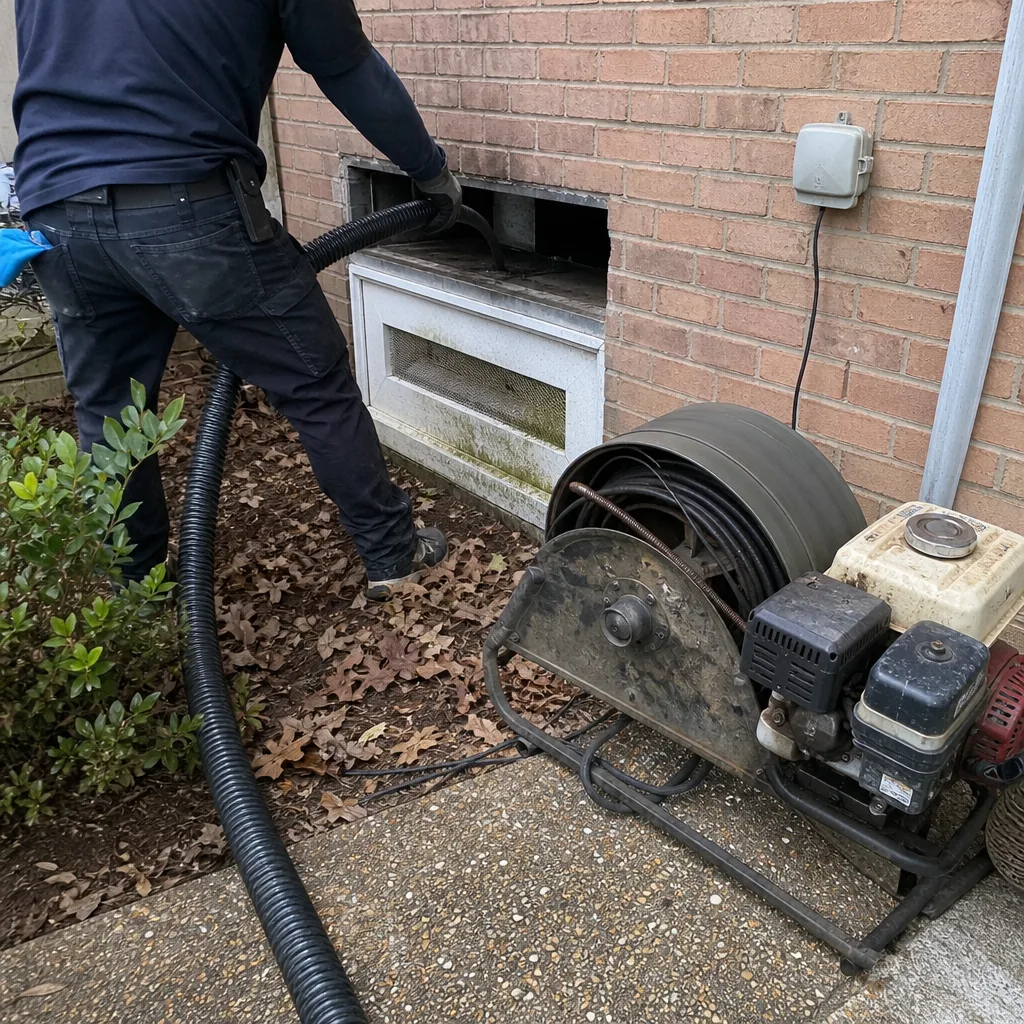 Before
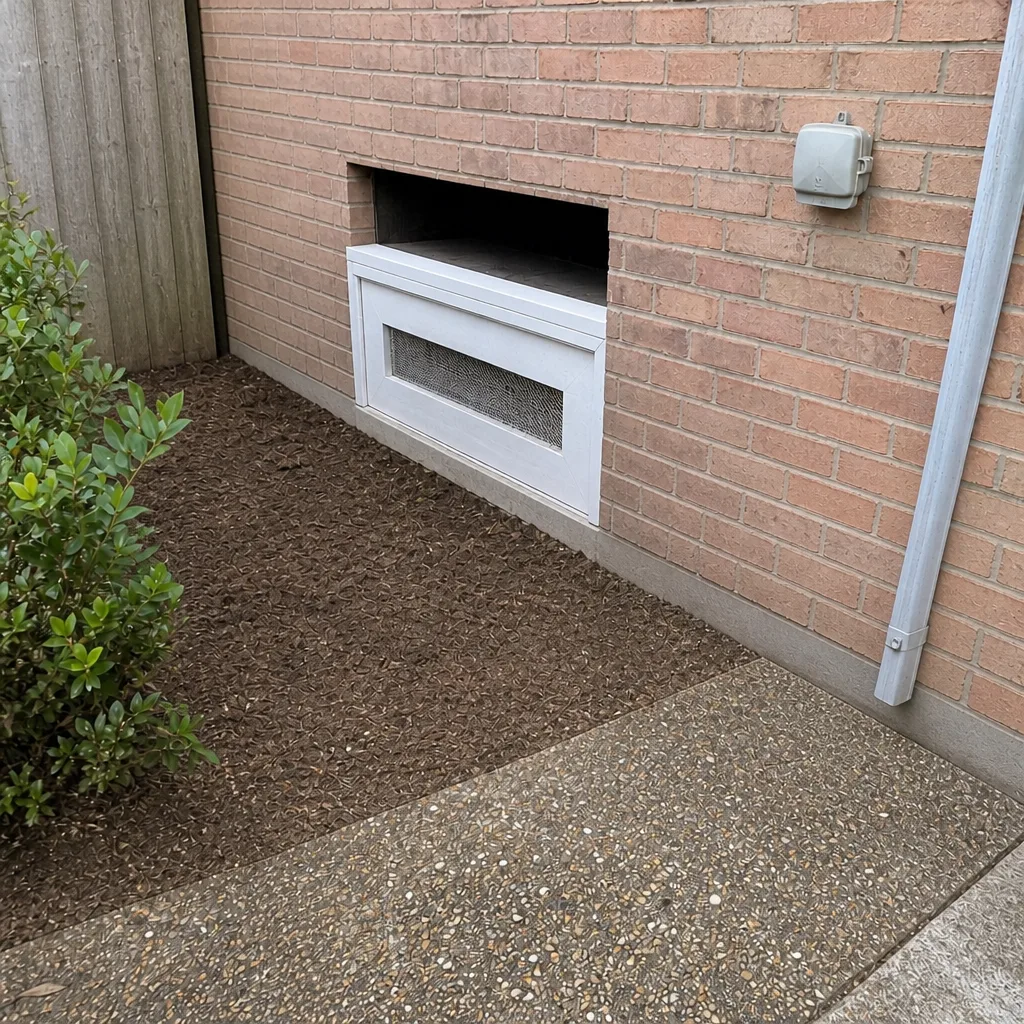 After
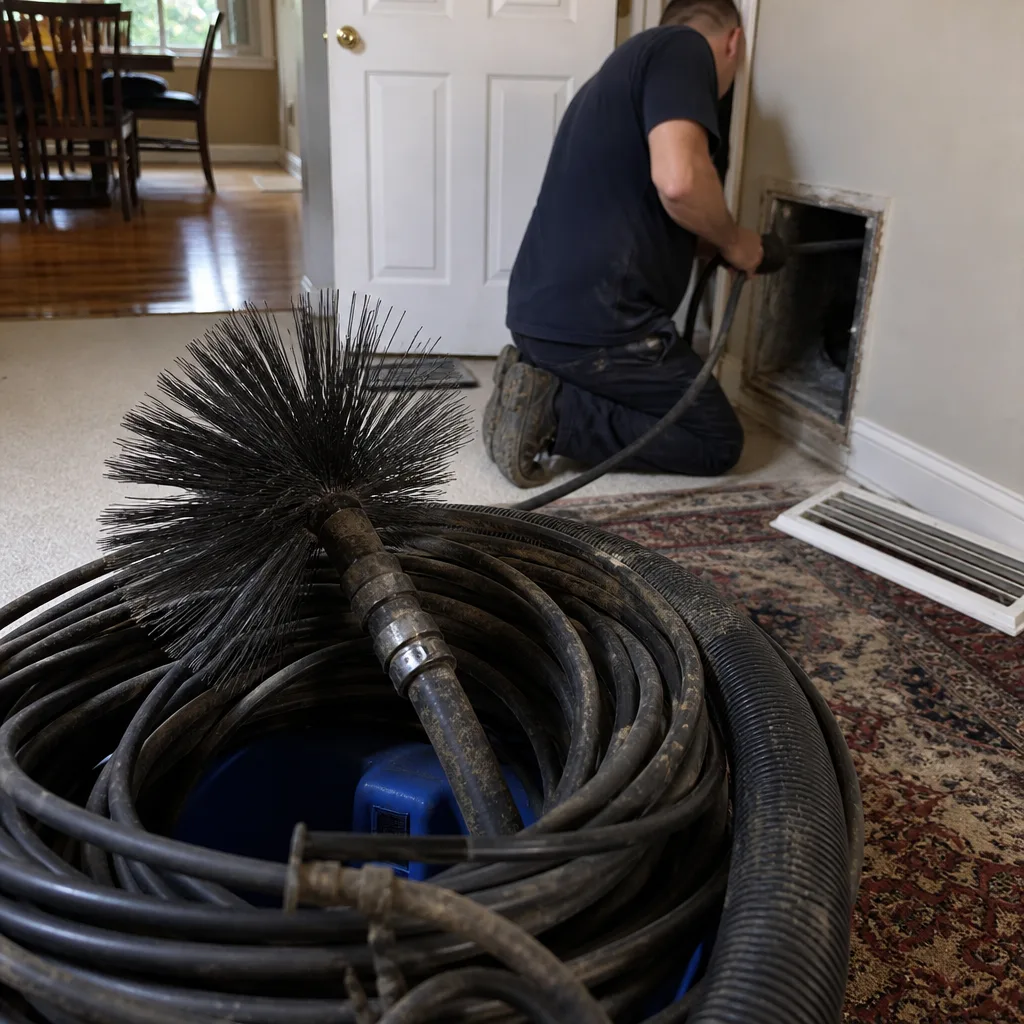 Before
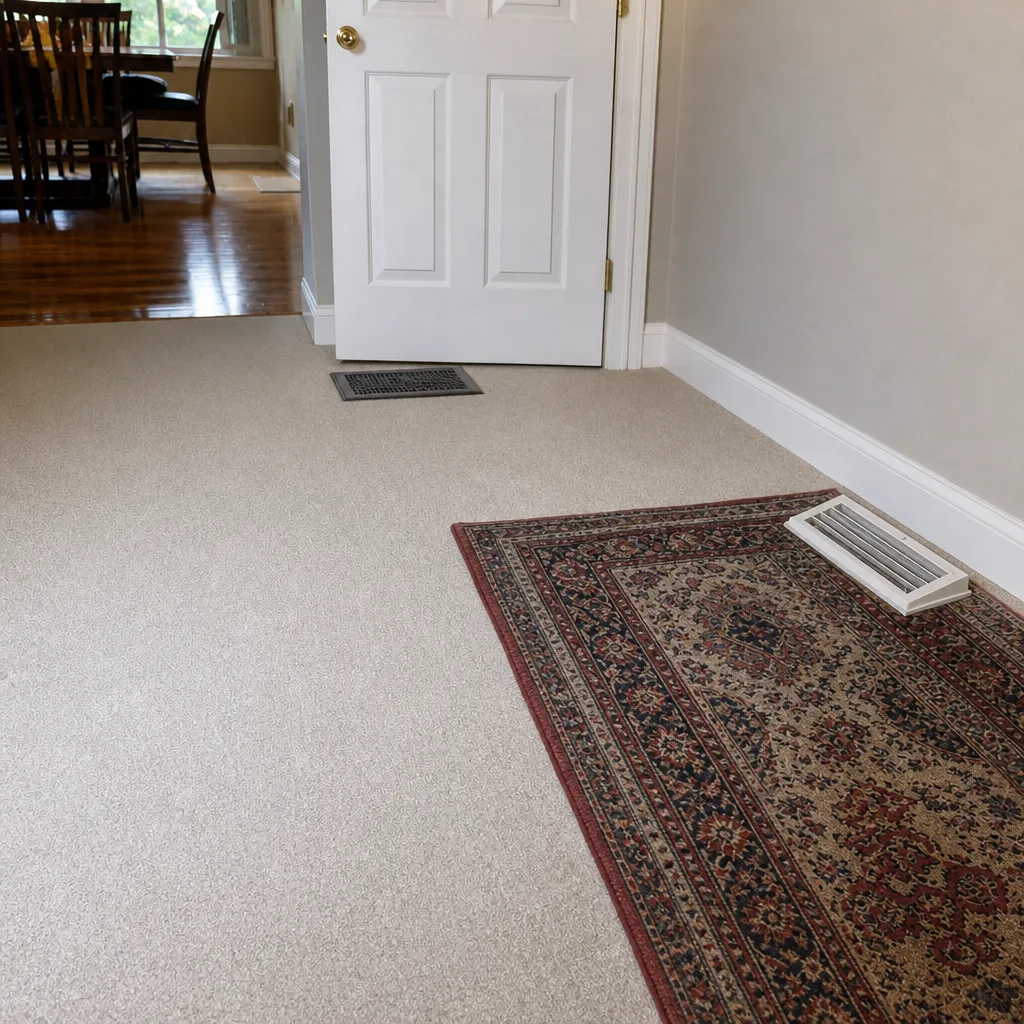 After
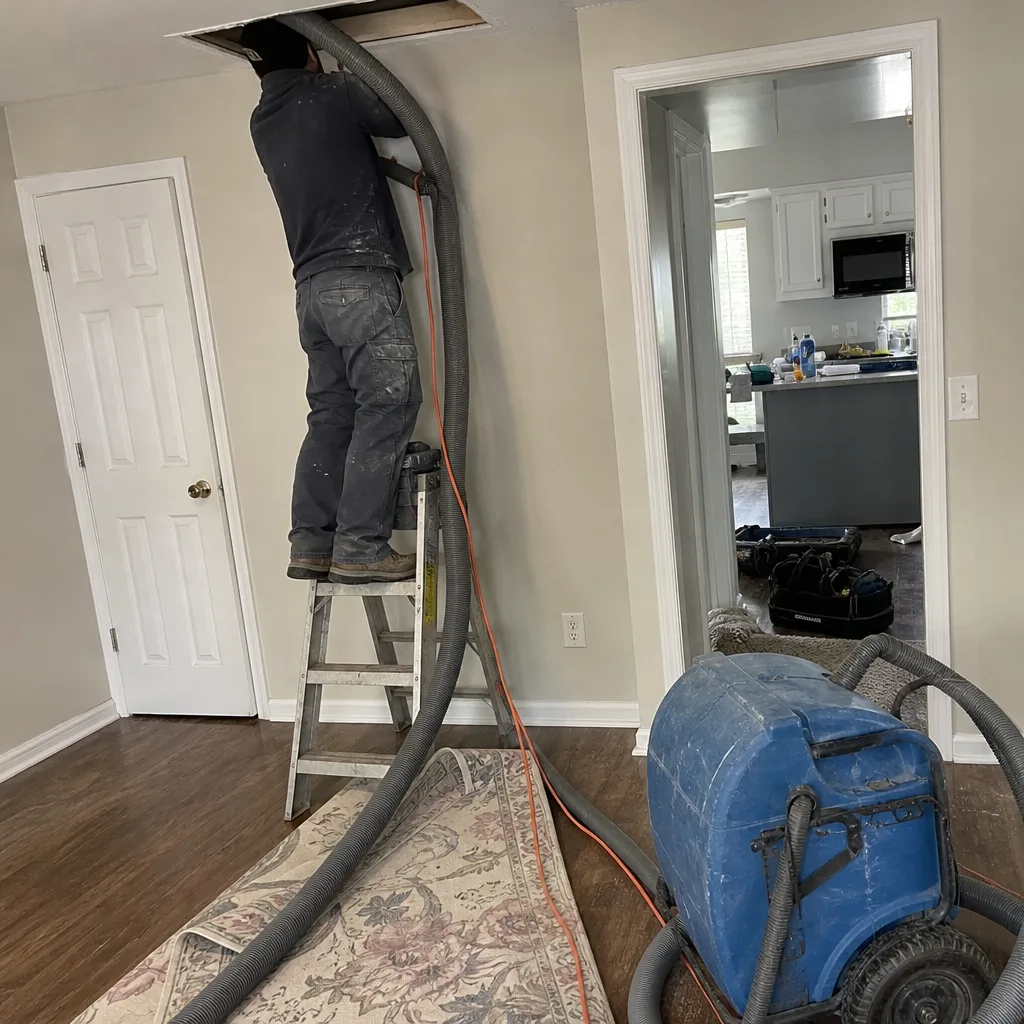 Before
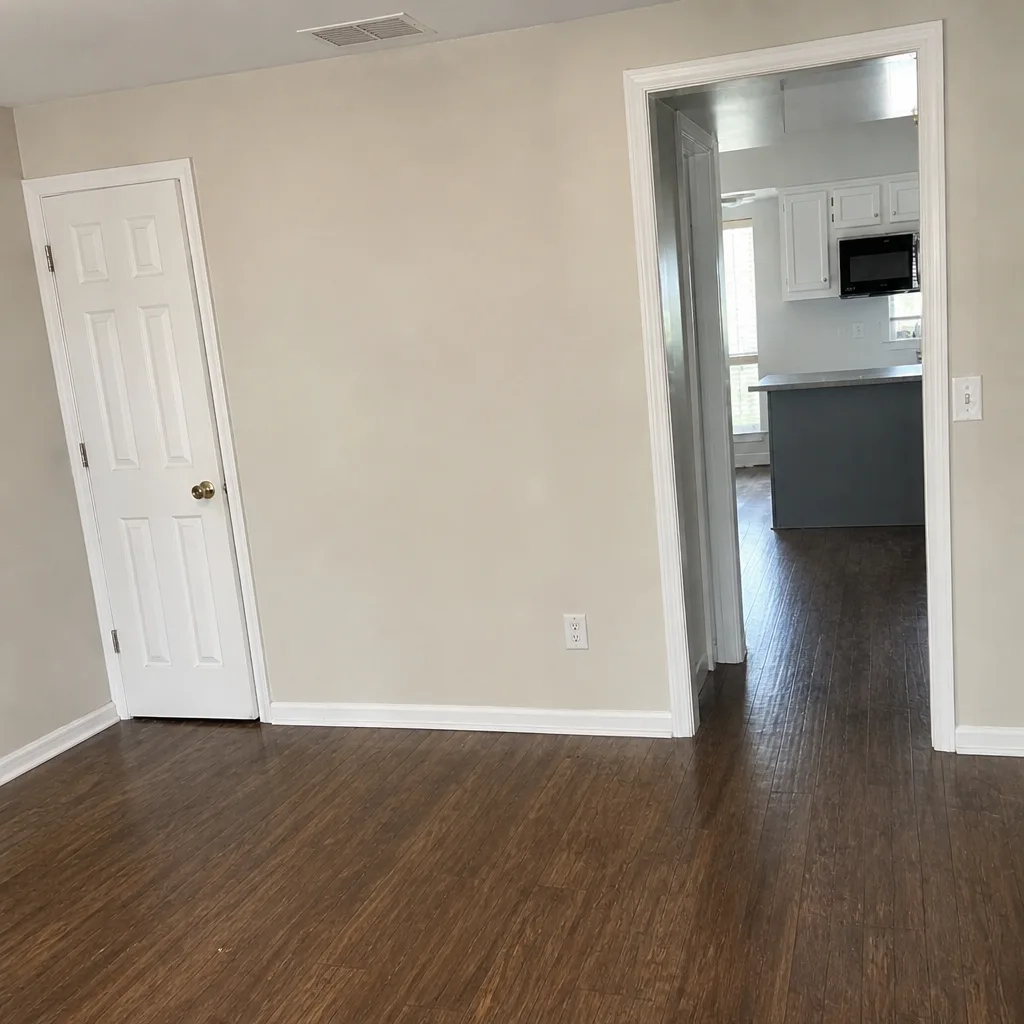 After
When to Call a Professional
Duct cleaning isn’t a job you should do yourself. The equipment requirements – proper extraction, HEPA filtration, negative pressure – are the ones we’ve covered throughout this guide, and no shop vac comes close. There are a few scenarios where you should call without waiting. If you’ve recently moved into a Madison home and don’t know when the ducts were last cleaned, a professional assessment gives you a baseline. If you’re planning a renovation or have recently finished one, drywall dust and construction debris should come out of the system promptly. If you’ve noticed unexplained dust buildup in a room, a persistent musty smell when the air handler runs, or a furnace cycling harder than it should, those are signs to have the full air pathway checked. Property managers with rotating tenants should schedule an assessment between leases.
Madison Air Duct Cleaning Co offers free estimates in Madison – call (844) 443-4890. We answer 24/7. Fast dispatch from 7am to 7pm, Sunday through Friday. The written estimate sets the final price, and we walk you through the scope and equipment before any work begins.
Frequently Asked Questions
Duct cleaning pricing depends on the size of the system, the number of zones, and the scope of the job – supply and return ducts, blower, coil, and dryer vent all contribute. The written estimate sets the final price, and we provide free estimates so you can compare scope and equipment before deciding. Call (844) 443-4890 for an exact quote – estimates are free.
Lower quotes almost always reflect lower equipment class – a portable or shop-vac-grade machine with no true HEPA filtration and no negative-pressure containment. Those systems can stir up debris without removing it, so you’re paying less for work that may not accomplish the removal you’re paying for. Ask the contractor for the machine brand, model, and rated CFM before you accept any price. Call (844) 443-4890 to compare a full-equipment quote – estimates are free.
Ask to see before-and-after photos of your own ducts, and ask the contractor to show you what was captured in the extraction unit’s filter. At Madison Air Duct Cleaning Co, the scope of work is spelled out in writing before we start, and we photograph the ducts we cleaned so you can see the difference. Call (844) 443-4890 to book a free estimate.
Most homes do well with a full-airway cleaning every few years, but the interval depends on pets, recent renovations, smoking in the home, and whether the duct system has leaks. In Madison’s humid summers, systems that run long cycles can accumulate debris faster than a schedule suggests. A single assessment tells you whether you’re overdue. Call (844) 443-4890 for a free estimate.
Look for Rotobrush, Nikro, ProAir, and Abatement Technologies – professional-grade machine names, not marketing phrases. The specific model matters more than the brand logo, so ask for both, plus the machine’s rated CFM and its filter class. Any contractor who does this work professionally will answer all three. Call (844) 443-4890 with questions.
Yes – same-day service is often possible when the schedule allows. Our crews dispatch 7am to 7pm, Sunday through Friday, and we’re closed Saturday. Call (844) 443-4890 to check the next opening. We answer 24/7. A call outside dispatch hours is booked into the next opening, Sunday through Friday, 7am to 7pm.
The Bottom Line
The best air duct cleaning company in Madison TN is the one that can name its equipment, explain its containment setup, and describe its scope without vague language. Brand in this trade means the machine manufacturer, and the machine class sets the ceiling on what a job can accomplish. Ask for the model, the CFM, and the filter class. Ask about HEPA exhaust, negative pressure, and whether repairs are handled in-house. A contractor who answers those clearly has nothing to hide. A contractor who deflects is telling you something too. The equipment is the work. Judge both together.
Written by the team at Madison Air Duct Cleaning Co.