
Last updated November 24, 2026
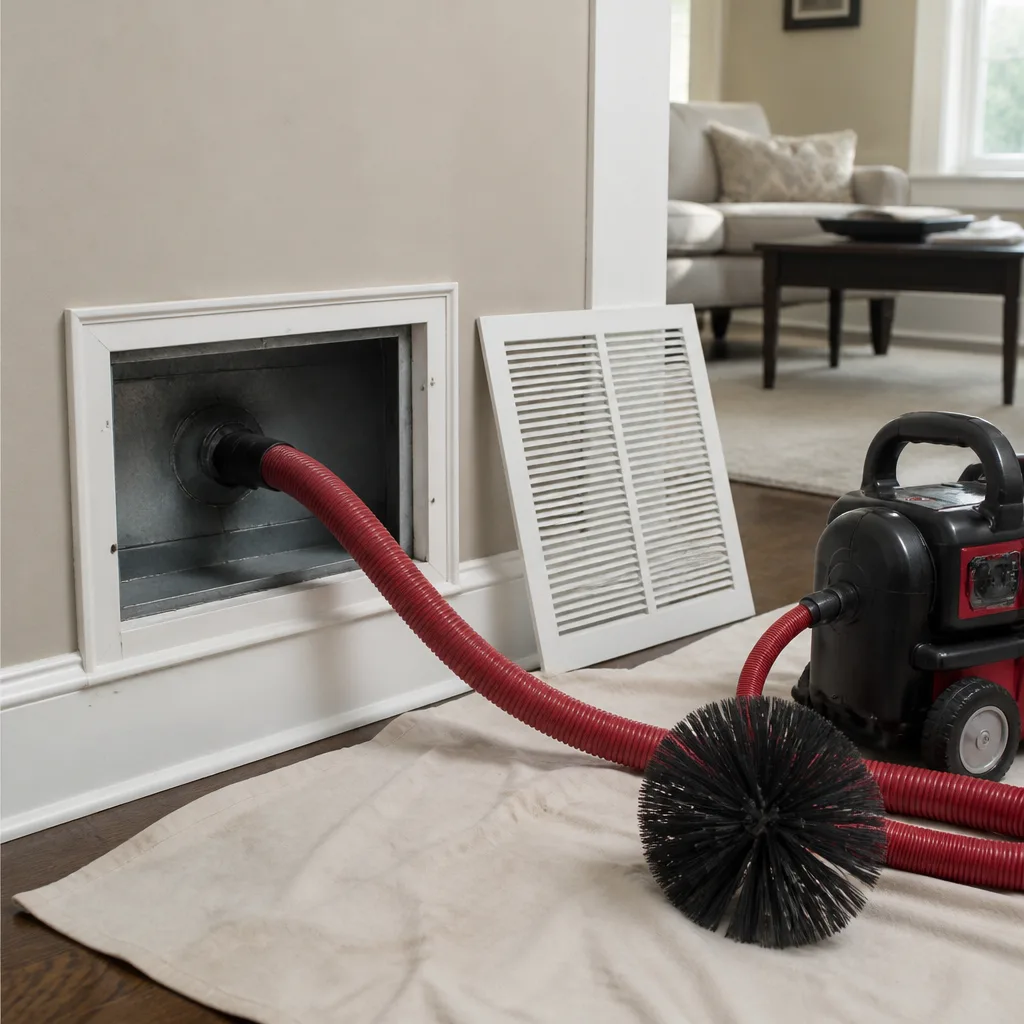 Whole-home duct cleaning
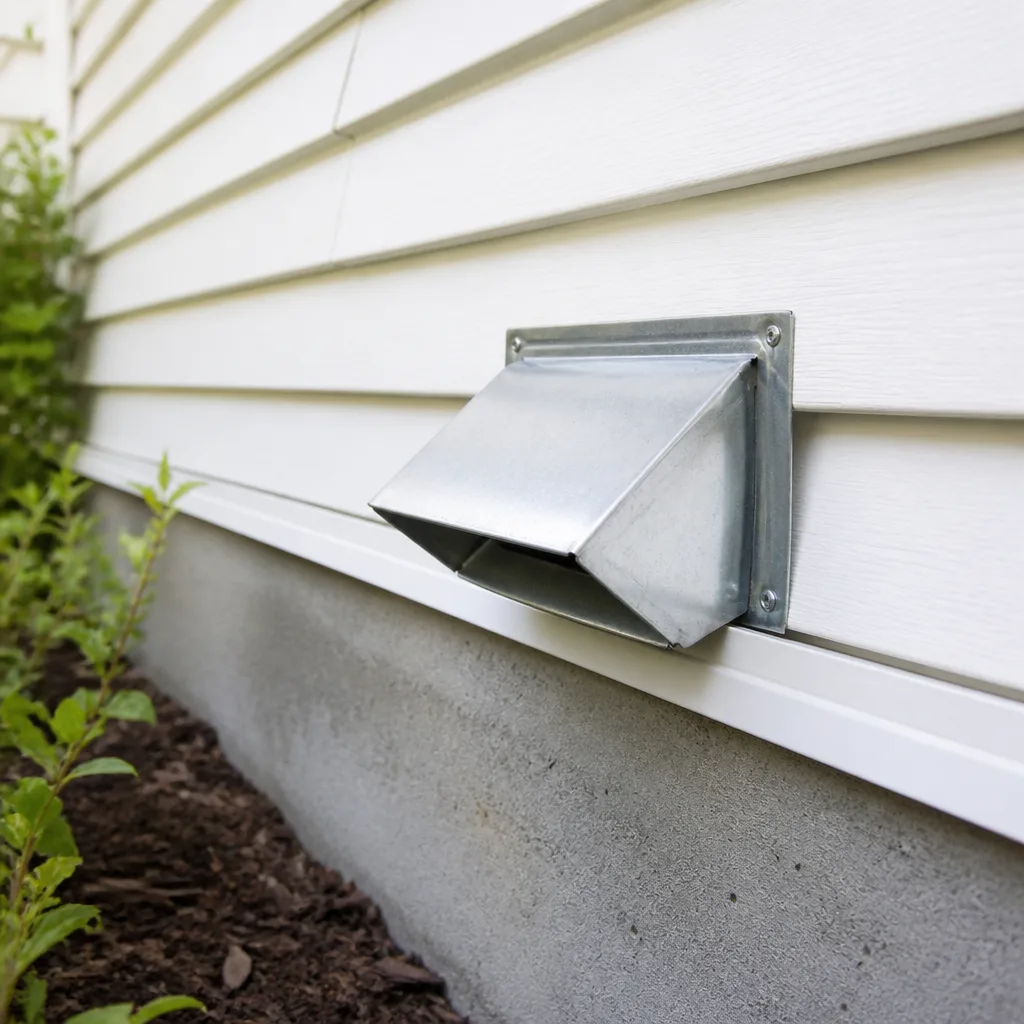 Dryer vent cleaning
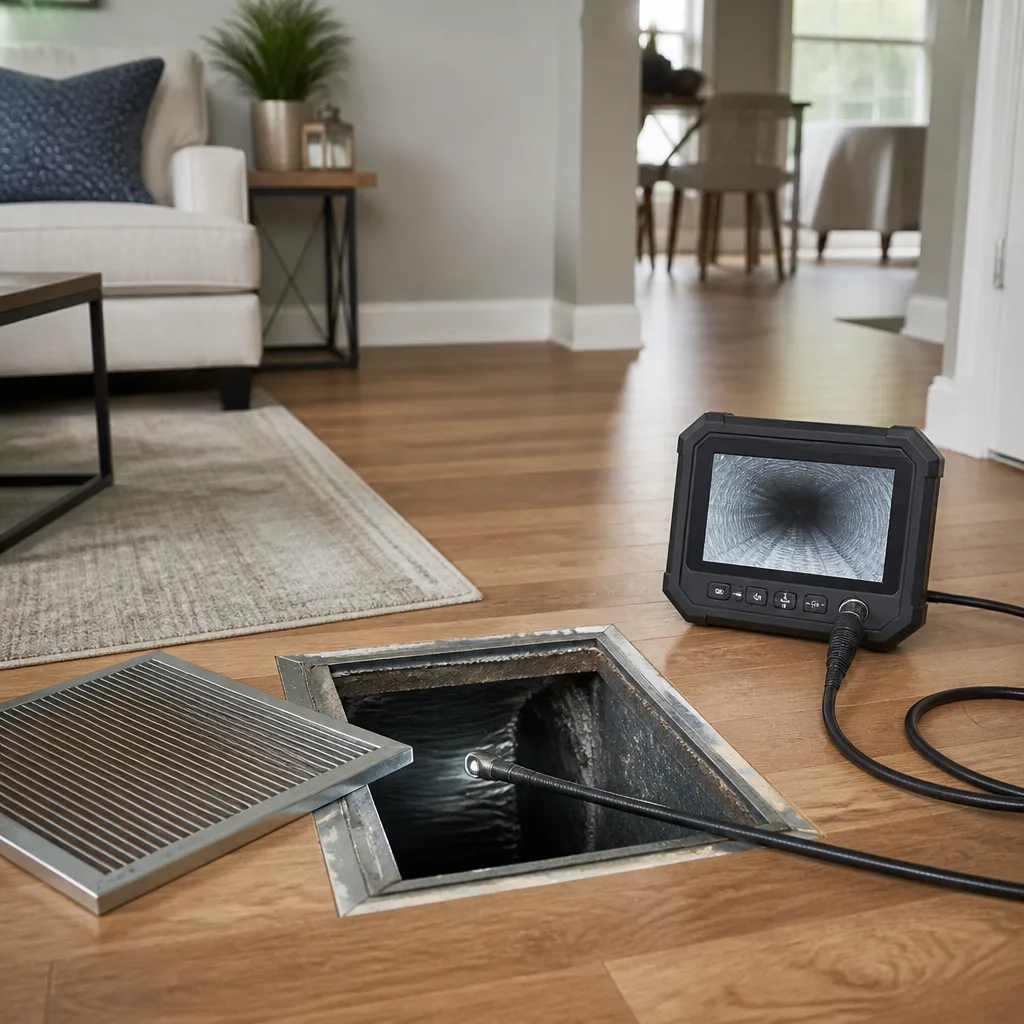 Camera inspection
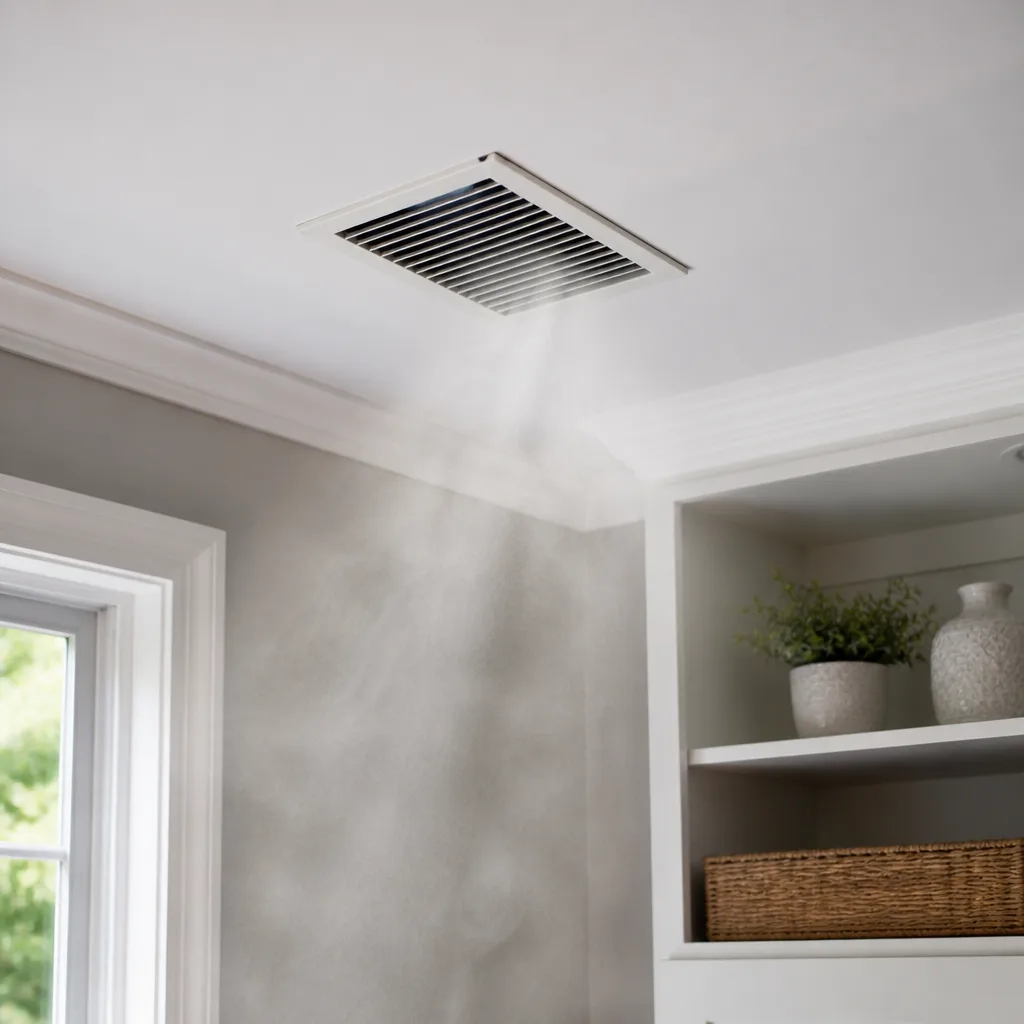 Sanitizing & deodorizing
Whole-system duct and dryer vent check with before-and-after photos - you see exactly what came out of your vents
That "$99 whole-house special" is a bait ad - the real number appears once they are in your hallway, or the "clean" is a shop-vac at the register. We photograph the inside of your ducts before and after instead.
DIY vs Professional Air Duct Cleaning: The Madison Homeowner’s Decision Guide
A consumer dryer-vent brush kit and a 6-HP shop vac will clean a straight 8-foot dryer duct run. They will not clean a 14-inch supply trunk line that’s under negative pressure with debris bonded to the galvanized walls. The physics are different, and the gap is wider than most homeowners realize. That gap is the whole point of this guide. Some duct work is genuinely a Saturday project, some of it is throwing money at a problem a shop vac can’t touch, and the line between the two is more specific than “call a pro for everything.” Below we lay out exactly where that line sits for a Madison home.
Quick Answer
Most homeowners should handle register cleaning, filter upgrades, and return grille maintenance themselves, and hire a professional for source-removal cleaning of the supply and return trunk lines, the blower, and the evaporator coil. Consumer vacuums simply can’t generate the airflow and negative pressure needed to pull settled debris off duct walls. In Madison, where humid summers and a long heating season put real load on the air handler, a full-system cleaning every few years (or after renovation, rodent, or water intrusion) is a job for rotary-brush and HEPA equipment, not a shop vac.
Styles & brands we work with
- Whole-home duct cleaning
- Dryer vent cleaning
- Camera inspection
- Sanitizing & deodorizing
Table of Contents
- What DIY Air Duct Cleaning Can Actually Do
- The Equipment Gap: CFM, Static Pressure, and Why Consumer Vacuums Fall Short
- Where DIY Costs More Than It Saves
- What You Should Do Between Professional Cleanings
- Scenarios Where Professional Cleaning Is Non-Negotiable
- How a Professional Job Actually Works: Step by Step
- How to Vet an Air Duct Company in Madison
- Signs You Need a Professional Cleaning Now
What DIY Air Duct Cleaning Can Actually Do
There’s a real list of tasks a homeowner can knock out with basic tools, and it’s longer than most people think. The trick is being honest about what those tasks accomplish. They reduce the rate at which contamination accumulates. They do not remove what’s already bonded to the duct interior.
Here’s what’s genuinely within reach for a careful DIYer in a Madison home:
- Register and grille cleaning. Pull the supply and return grilles, vacuum the face and back, wash them in a utility sink, and reinstall. Dust on the grille face is the biggest visible signal homeowners react to, and this alone makes a living room feel cleaner.
- Filter replacement. Swapping a clogged 1-inch filter for a fresh one is the single most impactful thing you can do to keep the blower and coil from loading up. Check the MERV rating against what your system was designed to move.
- Return grille maintenance. The big return grille in a hallway or ceiling is a debris magnet. Vacuuming it with a brush attachment every few weeks cuts the amount of dust drifting into the return trunk.
- Surface cleaning of accessible duct runs. If you have a short, straight run of exposed flex duct in a basement or crawlspace, you can brush the interior with a flexible kit. This is genuinely useful on a short dryer vent run of eight feet or less.
- Knocking down visible dust around the air handler. The service panel, the base of the unit, and the supply plenum exterior collect dust. Wiping them down doesn’t clean the ducts but stops the re-introduction cycle.
What this list won’t do is pull the settled dust, hair, and drywall crumbs that have compacted onto the walls of a 20-foot trunk line. That takes equipment with real suction and the mechanical action of a rotating brush. It’s the difference between dusting a shelf and scrubbing a stained one. We trace the full air pathway from return grille to blower unit before any cleaning begins, and what we usually find on the trunk line is exactly what a homeowner couldn’t see from the grille side.
The Equipment Gap: CFM, Static Pressure, and Why Consumer Vacuums Fall Short
Professional duct cleaning isn’t a bigger version of what you’d do at home. It’s a different process built around airflow and containment. Two numbers matter most: cubic feet per minute (CFM) and static pressure.
True source-removal cleaning needs enough CFM to keep debris suspended once it’s dislodged, and enough static pressure at the tool head to actually pull it out. A consumer shop vac tops out at a fraction of what a duct cleaning system moves because it’s designed to pick up a small pile of sawdust on a shop floor, not to sustain airflow down a 20-foot galvanized trunk line while a brush peels material off the walls. The pressure drop alone across that run kills the tool’s efficiency. That’s before you add the reality that a shop vac’s exhaust air has to go somewhere, and what goes back into the room is often the same fine dust you just loosened.
The professional equation looks like this:
- Rotary-brush agitation. A Rotobrush system drives a spinning brush head down the duct interior to break the bond between debris and the galvanized wall. Shop vac hoses and dryer vent brushes can’t reach the same contact pressure.
- HEPA-class containment. Nikro HEPA equipment maintains negative pressure during cleaning, so dislodged material travels to a sealed collection unit, not into the room. Consumer vacuums have no true HEPA stage and no sealed collection path.
- On-site air filtration. For jobs where a lot of material is going to go airborne, we deploy Abatement Technologies air filtration to capture particulates as they’re disturbed, rather than recirculating them through the home. This is the piece most homeowners don’t realize they’re missing when a shop vac gets pulled into a duct opening.
The dust you can’t see settling back onto the ceiling is exactly what’s being avoided. If you want a fuller picture of what full-system air duct cleaning involves in this market, that page walks through the scope in detail.
Where DIY Costs More Than It Saves
There’s a bracket of jobs where DIY absolutely makes financial sense: a short exposed flex run, a small dryer vent, a handful of grilles. In those cases the savings are real because the tooling gap is narrow and the risk of damage is low.
But there’s a second bracket where DIY quietly costs more than hiring out. Look at the numbers honestly:
- Rental equipment costs add up fast. A dedicated rotary duct brush rental runs roughly $60 to $120 a day depending on what you find locally, and it rarely includes the containment gear. A shop vac with a HEPA cartridge adds another $150 to $250 if you want anything close to proper filtration.
- Damage risk dwarfs the savings. A foil tape seam that doesn’t seal will leak conditioned air for years before you notice. A flex duct that gets crushed against a joist during a DIY attempt restricts airflow and can cost hundreds to replace correctly.
- Time value is real. A proper full-system cleaning on a two-story Madison home takes a trained team hours because of the equipment, prep, and containment. The DIY version takes you a whole day and gets a fraction of the result.
- Access limitations. HVAC unit cleaning – the blower wheel, the evaporator coil, the drain pan – is where load-up actually matters for air quality and efficiency. Those components aren’t something to open up with a screwdriver and a shop vac if you’re not familiar with the unit.
When you add it up, the gap between DIY cost and a professional estimate narrows to a point where DIY stops making sense. Furniture moving, HVAC component access, and cleanup tips the scale. A free estimate from a professional tells you quickly whether your job is in the DIY-reasonable bracket or the “don’t touch it” bracket. There’s more on the air-handler side of this in HVAC cleaning.
What You Should Do Between Professional Cleanings
The most useful DIY work isn’t cleaning the ducts. It’s slowing down how fast they get dirty. These are the habits that measurably reduce contamination rate between professional visits.
- Replace the filter on schedule. A 1-inch filter in a typical Madison home needs changing every 30 to 90 days depending on pets, smoking, and seasonal pollen. A clogged filter forces the blower to work harder, pulls more dust through the system, and loads the coil faster.
- Upgrade the filter intelligently. A modest MERV upgrade is usually helpful, but a very high MERV filter on a residential blower not designed for it creates static pressure problems and can starve the system of airflow. Match the filter to the system, not to the marketing on the box.
- Clean the grilles every few weeks. A quick pass with a vacuum brush attachment on supply and return grilles keeps dust from rolling into the return trunk where it settles.
- Keep the return path clear. Furniture pushed up against a return grille chokes the return, and the system pulls harder elsewhere. Give it the clearance it needs.
- Seal obvious gaps. If you can see light around a duct joint in the basement, that’s a leak. Foil tape (never cloth duct tape, which dries and falls off) is a reasonable fix on accessible joints.
- Watch humidity. Middle Tennessee summers push indoor humidity up, and moisture plus duct dust equals a growth medium. A properly sized dehumidifier or an Aprilaire system can help manage that in shoulder seasons.
None of these replace a professional cleaning. They’re the maintenance that makes a professional cleaning last longer and keeps the system running at its design airflow. If you also have a dryer vent in the system – most Madison homes do – that’s a whole separate maintenance rhythm covered on our dryer vent cleaning page.
Scenarios Where Professional Cleaning Is Non-Negotiable
There are specific situations where no amount of homeowner effort is going to solve the problem, and where trying is more likely to make things worse. These are the calls where a professional should be brought in without debate.
- Post-renovation debris. Drywall dust, sawdust, insulation fibers, and construction grit get pulled into supply and return lines during renovation. This material is fine, abrasive, and settles deep. A shop vac can’t extract it from the trunk, and the dust can coat the blower and coil for months. If you’ve had walls opened up in the last year, this is the case that most warrants a professional cleaning.
- Rodent intrusion. Mouse and rat activity in a duct system leaves droppings, urine residue, and nesting material, and often chewed flexible duct. This isn’t a cleaning job in the ordinary sense. It’s a contamination and structural damage job, and sanitizing after removal is part of the scope. Madison homes with crawlspaces and older construction see this more than people expect.
- Fire or water damage affecting the duct system. Smoke residue coats the inside of duct walls and requires proper cleaning and sanitizing to remove. Water intrusion into a duct run can leave the interior compromised even after it dries. Both cases call for equipment that can contain contamination, which most homeowners simply don’t have.
- Visible mold inside a duct. If you can see growth inside a duct opening, the answer isn’t a DIY sanitizing spray. The underlying moisture source has to be found, the growth physically removed, and the surface treated. DIY sanitizing over untreated growth just seals it in place.
- Pest or debris hitting the blower. Anything that has gotten past the filter and hit the blower wheel or coil needs the HVAC unit opened up. That’s the wrong job for a homeowner with a screwdriver.
In each of these, the scope goes beyond cleaning into repair and containment. That’s why we offer duct repair and sealing in-house. When we find a breached seam or a chewed flex section during the cleaning, we fix it on the same visit rather than referring it out. On these jobs we typically deploy Abatement Technologies filtration to keep the workspace air clean while the system is being opened up.
How a Professional Job Actually Works: Step by Step
A proper full-system cleaning is a process, not a single pass with a machine. Here’s what a well-run job looks like from the homeowner’s chair.
- Walkthrough and scope. We trace the full air pathway – return grille to blower unit – and identify each duct run, the air handler, any duct damage, and where containment needs to go.
- Containment setup. HEPA-class Nikro equipment goes in first, maintaining negative pressure before anything is disturbed. On heavy-debris jobs, Abatement Technologies air filtration runs during cleaning to capture particulates as they’re dislodged.
- Register and grille removal. Grilles come off, get cleaned separately, and go back at the end.
- Rotary-brush cleaning of each duct run. The Rotobrush system agitates the duct walls with a rotating brush head while suction pulls the loosened debris to a sealed collection unit. Each supply and return is worked through in turn.
- HVAC unit cleaning. The blower wheel, evaporator coil, and drain pan get cleaned where accessible. This is often the piece that makes the biggest difference to how the system runs.
- Sanitizing. After the cleaning, a sanitizing treatment goes through the system. Sanitizing follows the cleaning – it’s not a substitute for it.
- Duct repair and sealing. Where we find gaps, separated joints, or damaged flex, we repair and mechanically seal on the same visit. Every seam we seal is one less place for conditioned air to escape.
- Before-and-after photos. We document the findings and the results so you can see what changed.
Where a homeowner wants an ongoing air-quality piece, we integrate Honeywell and Aprilaire products into the system after cleaning – filtration, humidification, or dehumidification depending on what the house actually needs. That moves the conversation from “clean the ducts once” to “keep the ducts cleaner between visits,” which is the difference between a one-off job and a system-level approach.
How to Vet an Air Duct Company in Madison
Whether you’re in Madison or anywhere else in Middle Tennessee, the questions to ask an air duct company are the same. Do they name their equipment, or do they use vague phrases? Do they say what’s included, or wait for the job to add on? Here’s the shortlist of questions worth asking before booking.
- What equipment do you run? “Professional-grade” without a name tells you nothing. Rotobrush and Nikro are named products for a reason; Abatement Technologies and commercial air filtration are standards, not add-ons.
- What’s the scope of the cleaning? Supply lines only? Supply and returns? The air handler? The blower? If a quote is low, ask what’s missing from it. Per-vent pricing or a teaser coupon is usually a sign the full scope isn’t included.
- Will you repair duct damage you find? If they refer it out, you’ll be managing two schedules and two quotes. In-house duct repair and sealing matters.
- Do you document with photos? Before-and-after photos of the duct interior, taken with your system, are the way to know the work was actually done.
- Is the price flat per system, agreed before work starts? A flat price per system, in writing, before the technician arrives, is the honest structure. Anything else invites the bait-and-switch that’s given this trade a bad reputation.
Our technicians have up to 15 years of experience on both residential and commercial systems. We work from flat pricing per system agreed before work begins, backed by before-and-after photos and a satisfaction guarantee. If you want to see the full scope we work to, the Madison Air Duct Cleaning Co overview explains how the services fit together.
Signs You Need a Professional Cleaning Now
Some of these signals will show up clearly, and some are pretty subtle. Any one of them is a reasonable trigger to get an estimate.
- Visible dust streaks or dark “dust shadows” around the perimeter of supply registers or on ceiling tiles near them
- A musty or stale smell that returns after a thorough house cleaning and after the vacuuming
- Noticeably lower airflow from the registers than a year or two ago, without a filter or blower change to explain it
- A visible layer of dust on the return grille face that reforms within days of cleaning it
- Any renovation in the past year involving drywall, sawing, or insulation work
- Any sign of rodent activity around duct runs or crawlspaces
- Recent fire or water damage affecting the duct system
If you’re seeing two or more of these at once, that’s the point where a weekend of DIY isn’t going to fix the underlying issue. And if the issue is in the air handler rather than the ducts, a professional needs to be in there.
Common Mistakes to Avoid
- Using a shop vac on a duct opening without containment. A consumer vacuum exhausts fine dust back into the room through the motor housing with no true HEPA stage. You end up with a dirtier house and a duct system that’s been disturbed, not cleaned.
- Trusting a dryer-vent brush kit on main supply lines. A short dryer vent run is fair game. A 16-inch trunk run with settled debris is not. The tool is genuinely useful for what it’s designed for; the mistake is thinking that’s everything.
- Applying foil tape to a wet or oily seam. It won’t bond and it will peel within weeks. Clean and dry the surface before sealing, and don’t cover a compromised duct section, replace it properly if that’s the right call.
- Opening up the HVAC unit without knowing what you’re doing. Coil fins bend easily, the blower wheel is balanced, and the drain pan is plumbed. If you’re not sure, leave the air handler to a professional.
- Over-tightening a MERV upgrade beyond what the blower can move. A filter that chokes the system creates static pressure problems, and the blower pulls dust from places it never should. Match the filter to the system, not to the highest MERV number on the shelf.
- Spraying a sanitizing product into a dirty duct. Sanitizing works after cleaning. Doing it before just traps contamination behind the coating and can leave residue on components that don’t like it.
- Hiring on price alone. In the duct cleaning trade, the cheapest quote is often the one that doesn’t include the return lines or the air handler. Ask what’s actually in the number.
See the difference
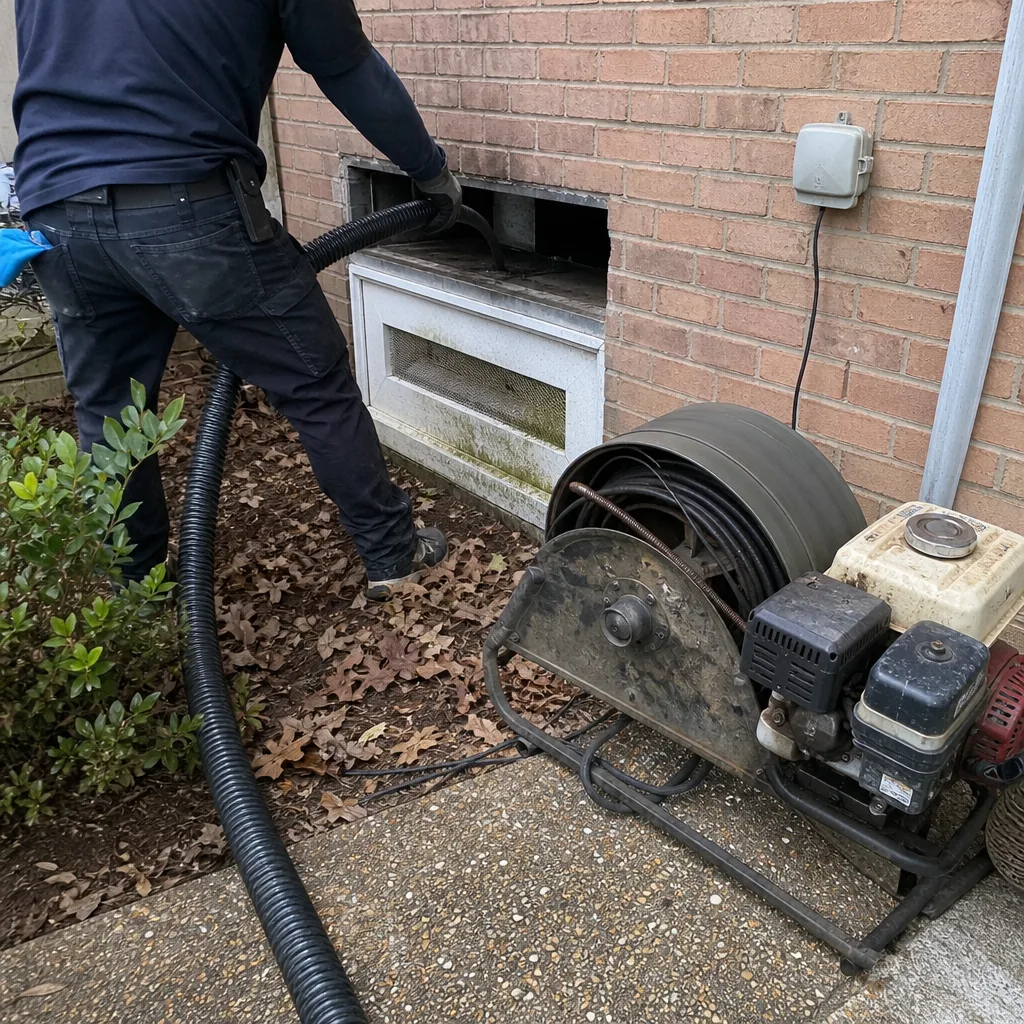 Before
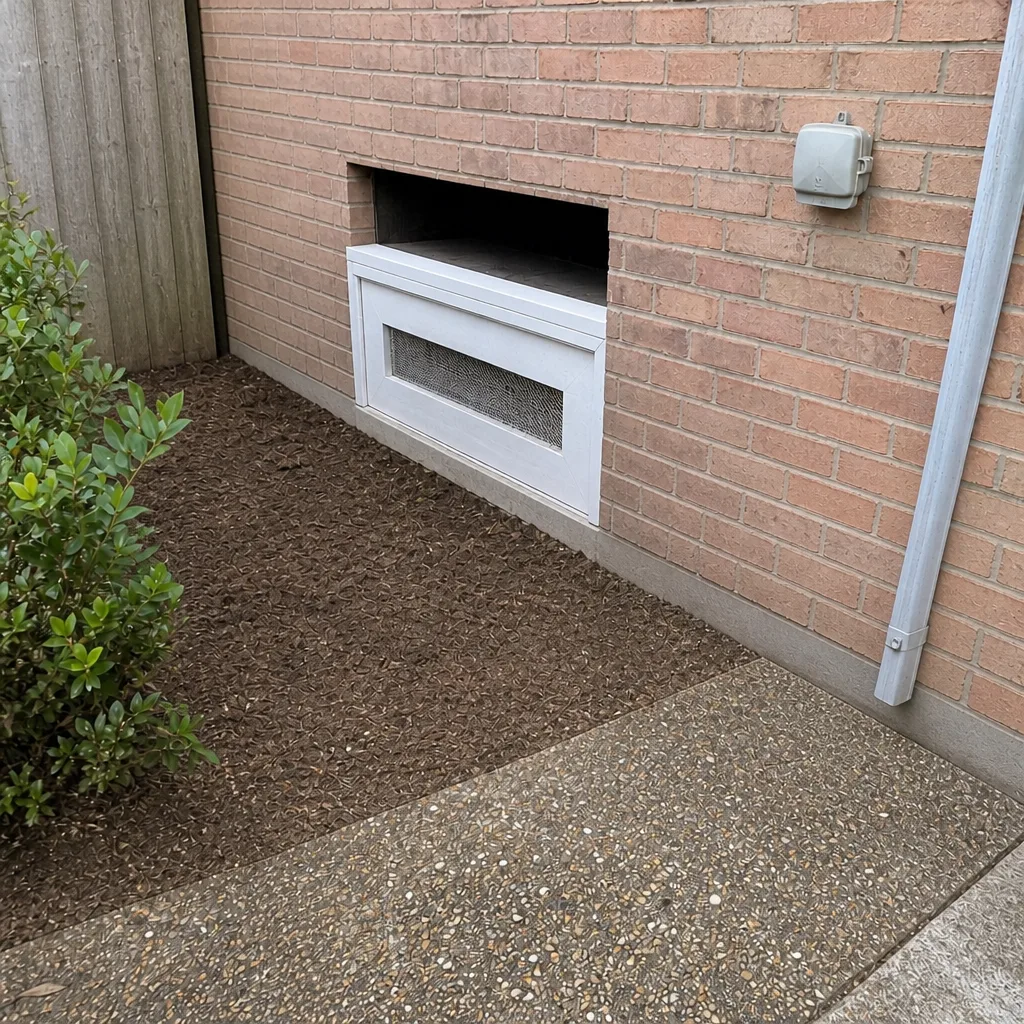 After
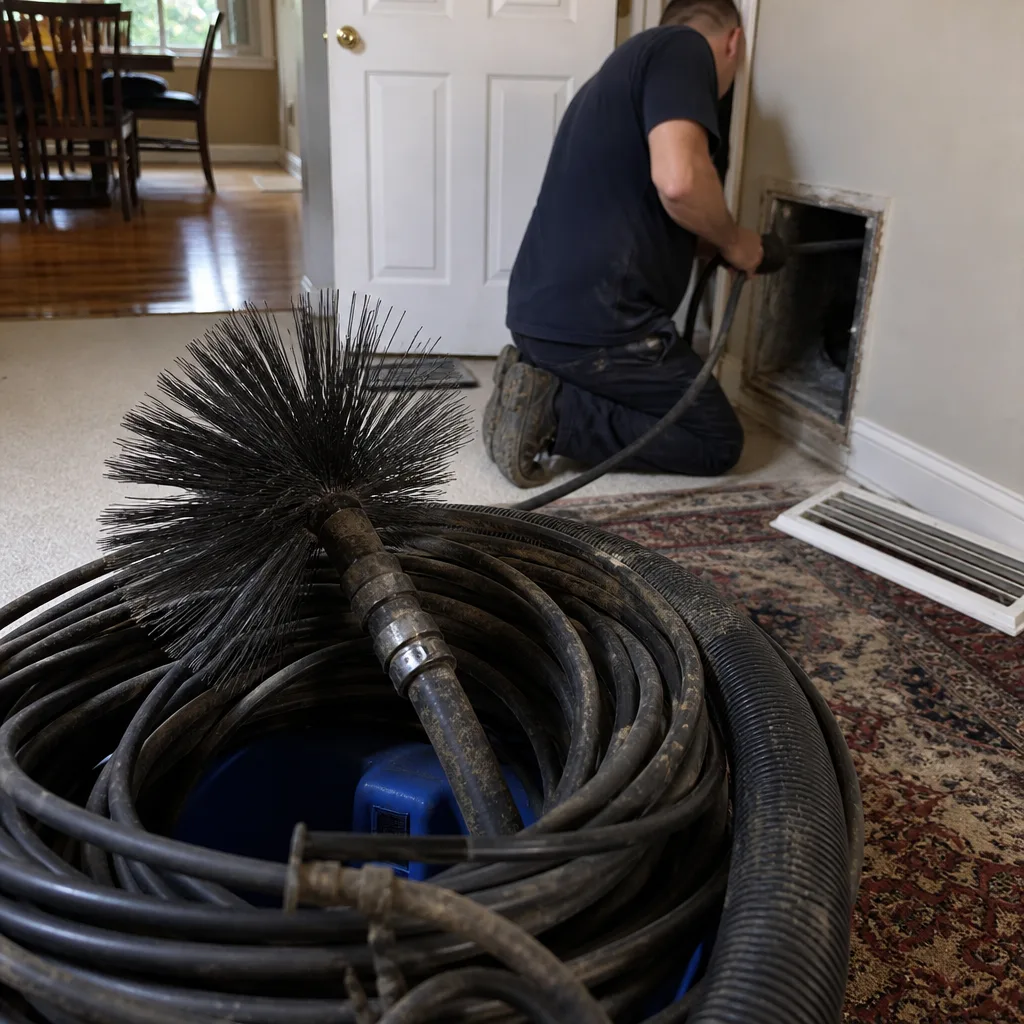 Before
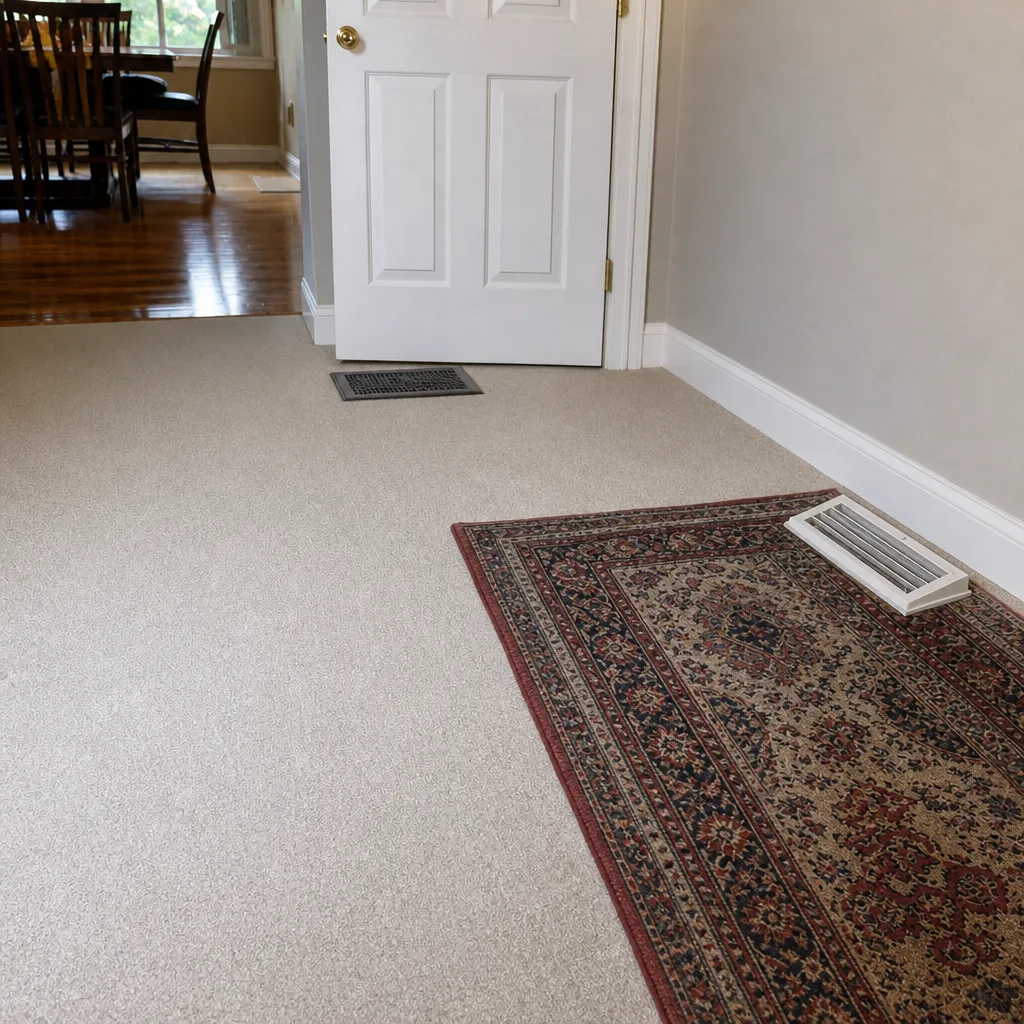 After
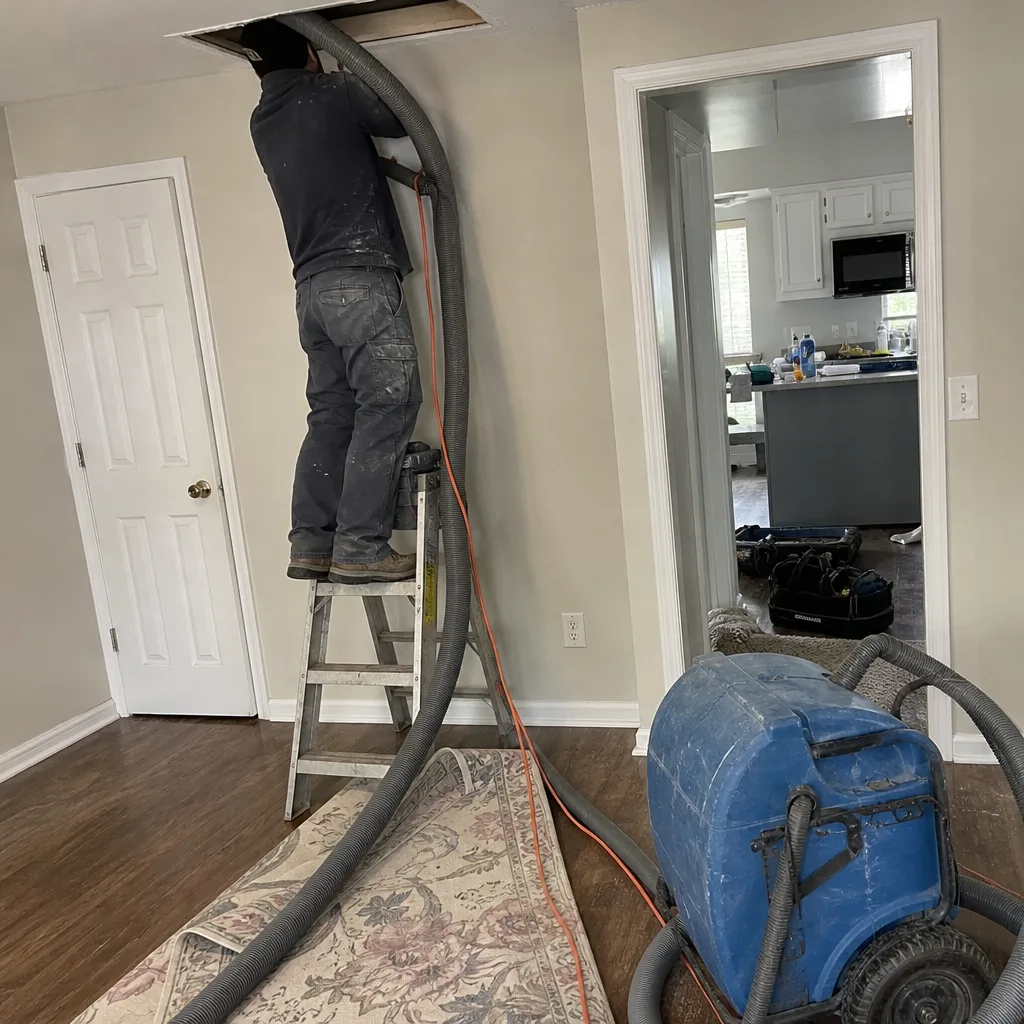 Before
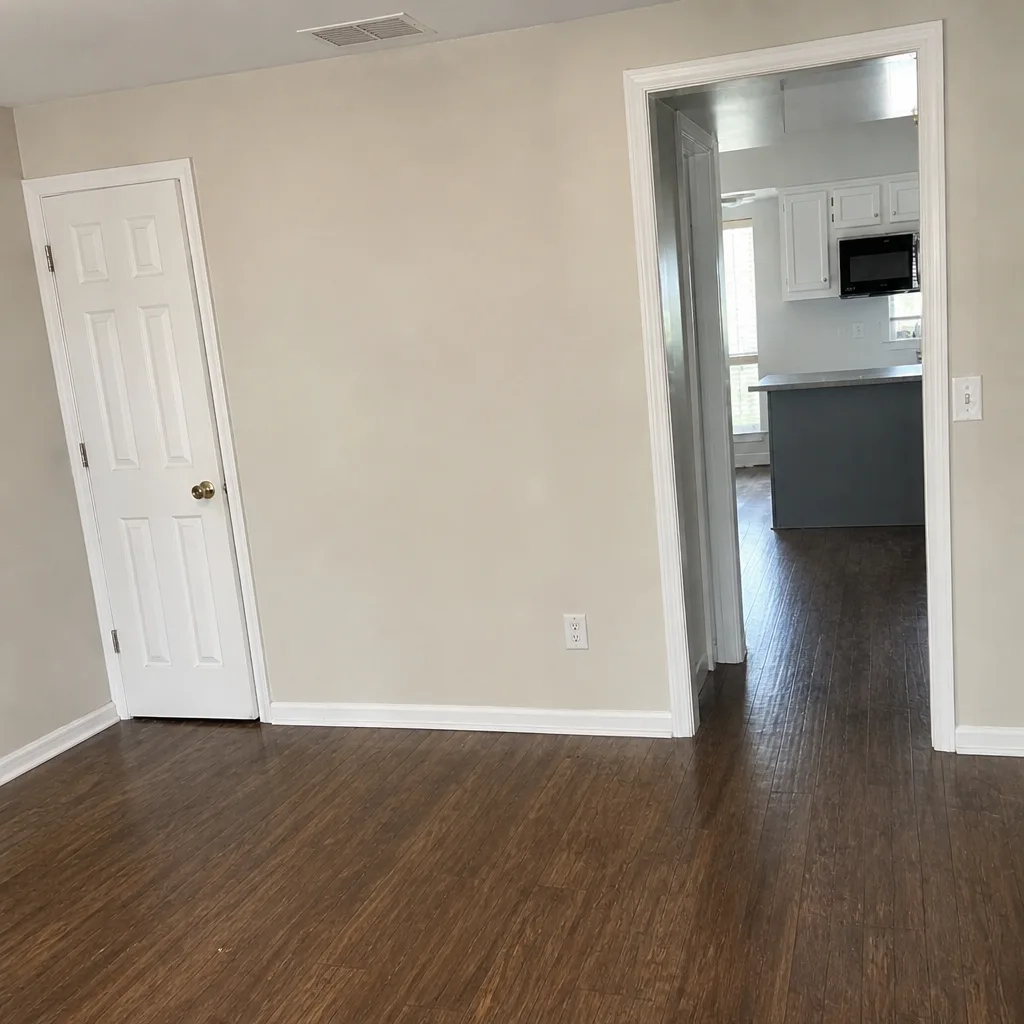 After
When to Call a Professional
Call a professional for anything affecting the supply and return trunk lines, the air handler itself, or any scenario involving renovation debris, rodent intrusion, or fire and water damage. Also call if you can see mold inside a duct opening or you’ve had any of the warning signs above for more than a few weeks. DIY is reasonable for register cleaning, filter changes, grille maintenance, and short exposed dryer vents. Everything beyond that is where professional equipment and the ability to fix what’s found on the same visit actually matter. Madison Air Duct Cleaning Co offers free estimates in Madison. Call (844) 443-4890. We answer 24/7 and fast dispatch is available from 7am to 7pm, Sunday through Friday.
Frequently Asked Questions
Cost depends on the number of duct runs, the number of HVAC systems in the home, and whether the job includes the air handler and any duct repair. We set a flat price per system based on a written estimate, agreed before any work starts, and the estimate itself is free. Call (844) 443-4890 for an exact quote. We answer 24/7.
For register and grille cleaning and short exposed dryer vent runs, yes. For the supply and return trunk lines, the air handler, or the blower, no. Consumer vacuums can’t sustain the airflow and negative pressure needed to pull settled debris off duct walls, and most have no true HEPA containment. You’d disturb material and recirculate it into the room rather than remove it.
Every three to five years is a reasonable guideline for a typical Madison home, and more often if you have pets, a lot of outdoor activity in the house, or a recent renovation. Homes with crawlspaces and rodent issues or higher indoor humidity may need it more frequently. The honest answer depends on what your return grille and filter look like between cleanings.
You can visibly clean grilles, swap filters, and dust around the unit. A professional cleans the interior of each duct run with rotary-brush agitation and HEPA-class containment, cleans the blower and coil, sanitizes, and repairs any duct damage found. The two lists overlap on the grilles, and that’s about it.
Usually because something’s missing from the scope – the return lines, or the air handler, or the containment equipment, or the follow-up repair. Sometimes it’s a per-vent teaser price that grows once the technician is on-site. A flat price per system, in writing, before work starts, is the honest structure. Ask any company you’re considering what their quoted price actually includes.
Access to the air handler, the return grille, and each supply register is all that’s needed. You don’t have to clear the room. We handle the containment and cleanup. If a system component sits behind heavy furniture that can’t be easily moved, let us know when you book so the estimate reflects the correct scope.
The Bottom Line
DIY air duct maintenance is real and it’s worth doing. Register cleaning, filter changes, and grille upkeep slow the rate at which the system loads up, and they make a professional cleaning last longer. The line is when the work turns to source removal inside the trunk lines, the blower, and the coil – those jobs need rotary-brush agitation, HEPA containment, and equipment that no consumer vacuum can replicate. Post-renovation debris, rodent intrusion, and fire or water damage are non-negotiable professional jobs. For Madison homeowners, the practical answer is to handle the DIY maintenance and bring in a professional for anything affecting the interior of the system or the air handler itself. If you’re unsure which bracket your job sits in, a free estimate answers that in one visit.
Call (844) 443-4890. We answer 24/7. Fast dispatch from 7am to 7pm, Sunday through Friday. Estimates are free, pricing is flat per system agreed before work begins, and every job is documented with before-and-after photos.
Written by the team at Madison Air Duct Cleaning Co.