
Last updated November 24, 2026
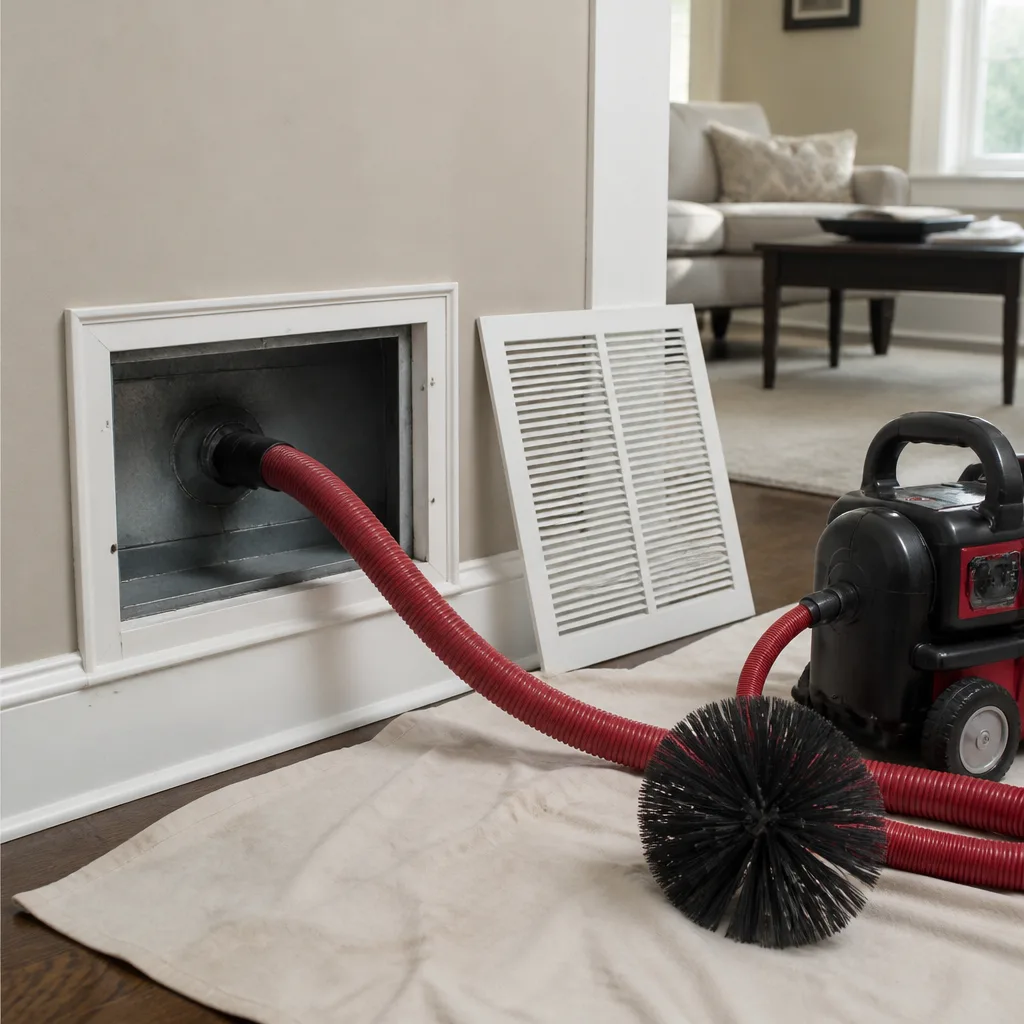 Whole-home duct cleaning
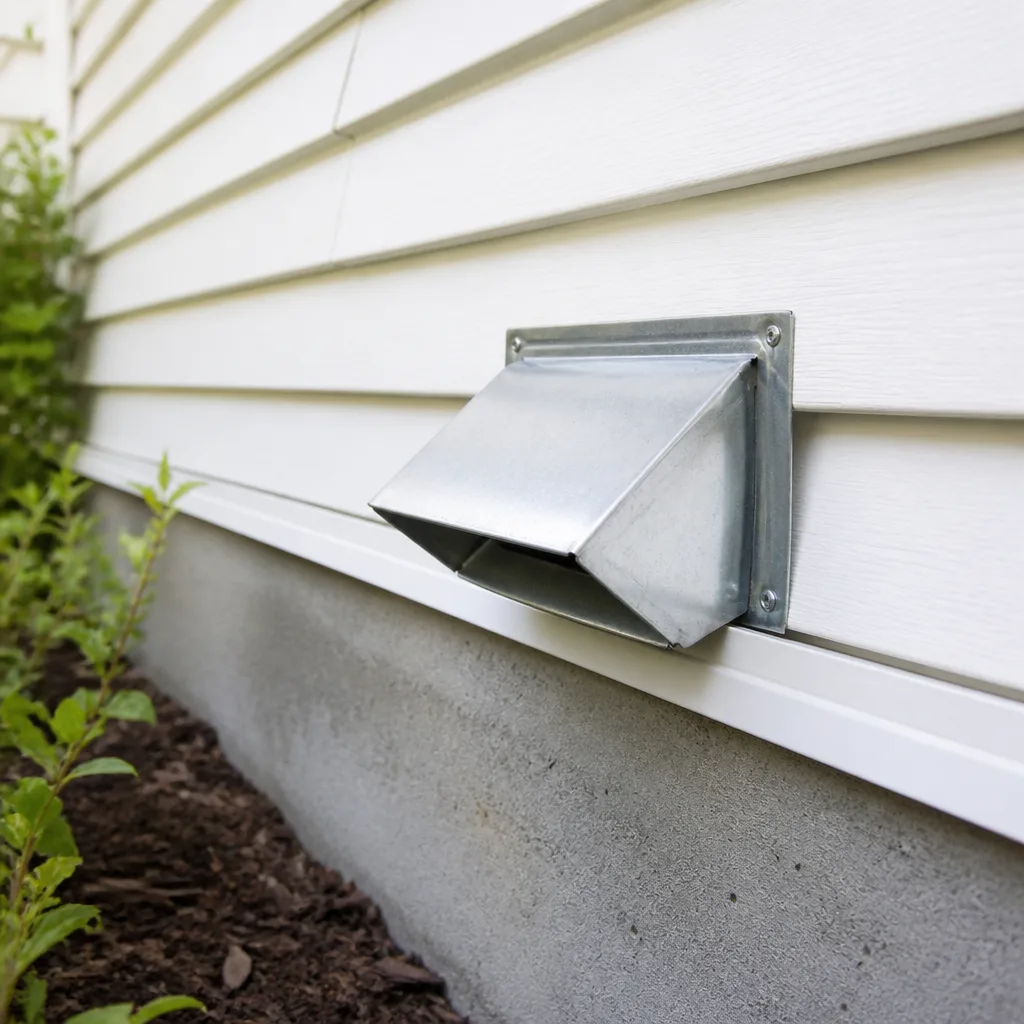 Dryer vent cleaning
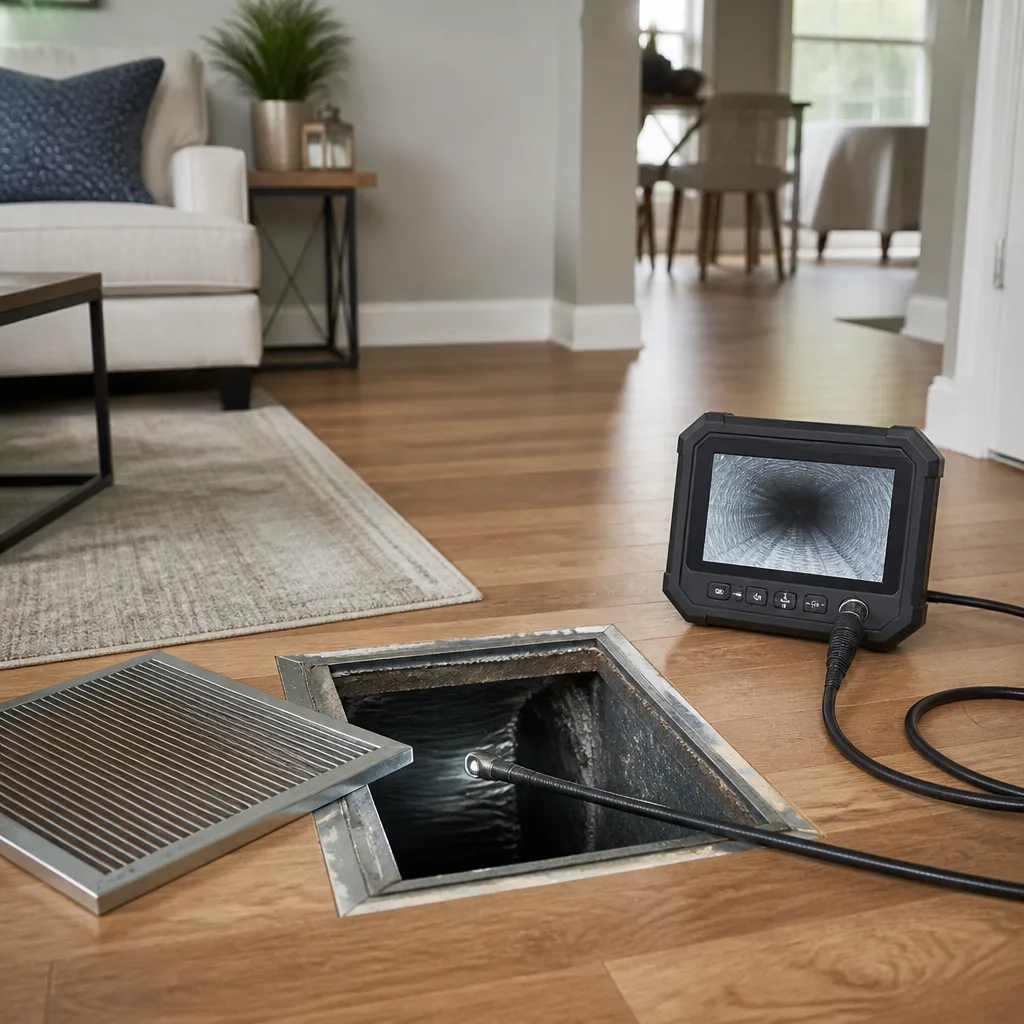 Camera inspection
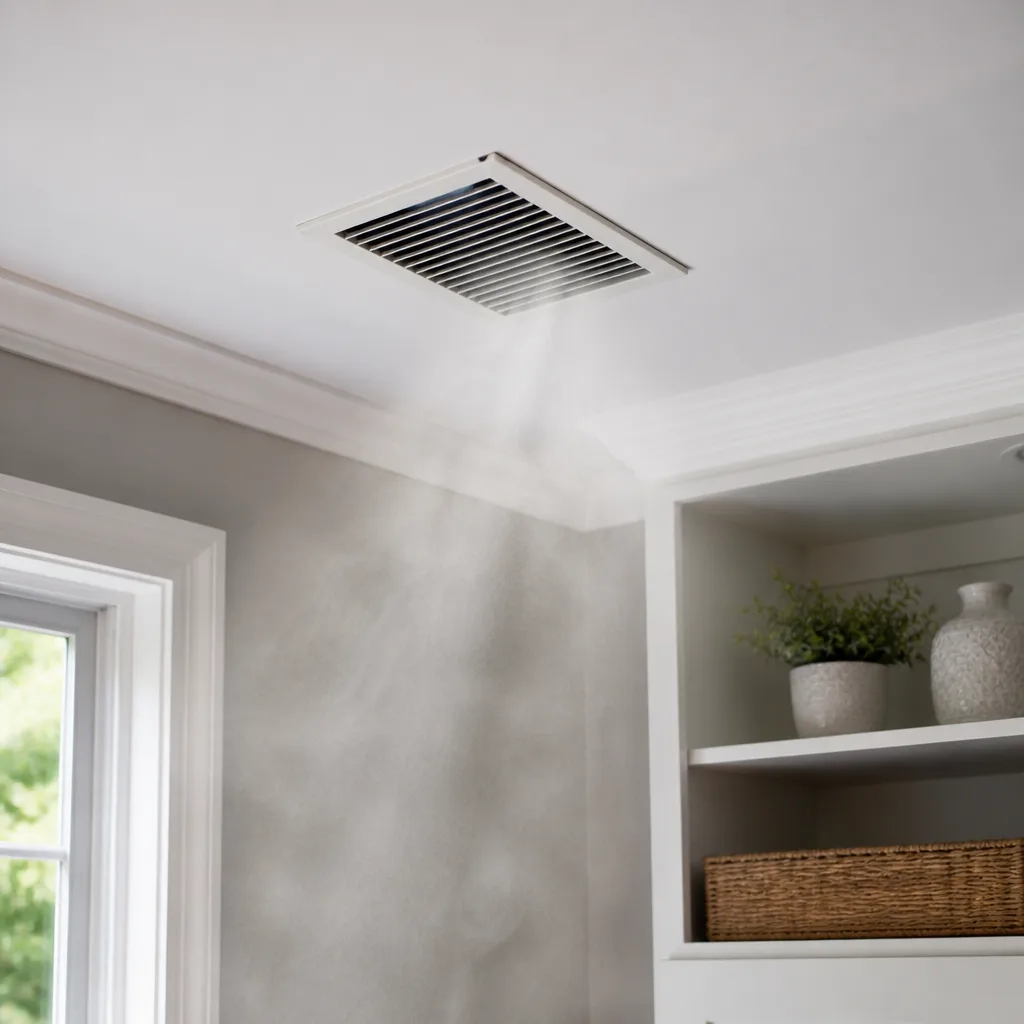 Sanitizing & deodorizing
Whole-system duct and dryer vent check with before-and-after photos - you see exactly what came out of your vents
That "$99 whole-house special" is a bait ad - the real number appears once they are in your hallway, or the "clean" is a shop-vac at the register. We photograph the inside of your ducts before and after instead.
How to Hire an Air Duct Cleaning Contractor in Madison: A Step-by-Step Guide
Tennessee does not require a specialty license to clean air ducts. That surprises most homeowners in Madison, and it should change how you shop. The question “are you licensed?” tells you almost nothing here, because there’s no duct cleaning license to hold. What separates a full-system contractor from a one-truck vacuum service is equipment, scope, and documentation, and none of those show up on a business card. This guide gives you the exact questions that do the separating, how to read the answers, and how to scope the work in writing before anyone sets foot in your house.
Quick Answer
To hire an air duct cleaning contractor in Madison, verify the equipment first (professional rotary-brush and HEPA extraction, not a shop vacuum), confirm the scope covers supply and return ducts plus the HVAC unit in writing, ask for before-and-after photos and particle readings as proof of work, and treat any whole-house quote under $150 as a signal to walk away. A legitimate contractor will put the system zones and equipment model in the estimate before the job starts.
Styles & brands we work with
- Whole-home duct cleaning
- Dryer vent cleaning
- Camera inspection
- Sanitizing & deodorizing
Table of Contents
- Why “Are You Licensed?” Is the Wrong First Question in Madison
- The Equipment Questions That Actually Matter
- What NADCA Membership Verifies (and What It Doesn’t)
- How to Scope the Job in Writing Before Anyone Arrives
- Reading the Price: Why Cheap Quotes Can’t Deliver
- Post-Job Verification: Proof the Work Was Done
- Madison Climate and Housing: What Drives Duct Debris Here
- The Contractor Question List, Start to Finish
Why “Are You Licensed?” Is the Wrong First Question in Madison
Tennessee regulates plenty of trades. Duct cleaning is not one of them at the specialty level. There’s no state-issued duct cleaning license, which means a company can be fully legal and still run a consumer-grade vacuum out of a hatchback. The credential gap is real, and it’s invisible unless you know what to probe instead.
That doesn’t mean licensing is irrelevant. General contractor licensing, business registration, and insurance are baseline checks worth making. But they verify that a business exists and carries coverage, not that it can clean a duct system to a professional standard. Ask for a certificate of insurance and confirm the business is registered in Tennessee, then move on to the questions that predict the actual quality of the work.
What predicts quality is narrower. It comes down to four things:
- Equipment grade. Rotary-brush agitation plus HEPA-class negative-pressure extraction, or a shop vacuum with a hose taped to a vent.
- Scope in writing. Which zones, which components, and what “all ducts” actually means in the estimate.
- Containment method. How debris is captured while it’s airborne, not recirculated into your living room.
- Proof of completion. Photos, readings, and a written record you keep.
In Madison, where a lot of housing stock mixes older ranches with newer builds, the duct systems vary enough that a one-size quote is already a warning sign. A contractor who hasn’t asked about your system’s layout, the number of zones, or the age of the ductwork is quoting blind. And a blind quote is a guess dressed up as a price.
So flip the script. Skip the licensing question as your opener. Lead with equipment and scope, and the rest of the picture comes into focus fast.
The Equipment Questions That Actually Matter
This is where the real difference lives, and it’s the part most homeowners never ask about. Duct cleaning is an equipment business. The method determines whether debris leaves your system or just gets stirred up and settles again a week later. When you ask about equipment, you’re listening for specifics, not adjectives.
The baseline for professional residential work is rotary-brush extraction paired with HEPA-class filtration. Rotary brushes agitate debris off the duct walls, where it clings, rather than relying on suction alone to pull loose material from the center of the duct. HEPA extraction creates negative pressure so what’s dislodged gets captured instead of blown back into the room. At Madison Air Duct Cleaning Co, that means Rotobrush rotary-brush systems for agitation and Nikro HEPA-class equipment for containment. Those are named systems, not marketing labels, and a contractor should be able to tell you exactly which ones they run.
Ask these questions and listen for concrete answers:
- What’s your source-capture setup? A truck-mount or high-CFM portable unit with HEPA filtration is a different class of machine than a wet/dry shop vacuum. Ask for the make and model. If the answer is vague, that’s your answer.
- Do you agitate the duct walls? Suction alone misses the debris that’s stuck. Rotary brush contact is what removes it.
- How do you contain airborne particulates during the job? Professional operations deploy air filtration on-site (Abatement Technologies units are common for this) to capture particles as they’re disturbed in real time. This is the difference between cleaning the ducts and dusting the house.
- Do you clean the HVAC unit itself, or only the ducts? The blower and coil are part of the air pathway. A contractor who stops at the duct opening is cleaning half the system.
Our technicians have up to 15 years of experience, and the equipment question is one of the first we expect from an informed homeowner. If a company can’t name the systems it uses, or describes them as “state-of-the-art” with no brand name attached, you’ve learned something important. Naming the equipment is a fair test. Cleaner air starts with gear you can identify.
What NADCA Membership Verifies (and What It Doesn’t)
NADCA is the National Air Duct Cleaners Association, and its membership and certification programs are a genuine signal. They verify that a company has committed to an industry standard, that certain staff have passed an exam (the Air Systems Cleaning Specialist credential), and that the business has agreed to a code of ethics. That’s worth something.
What it doesn’t verify is that the certification is current, that the specific crew arriving at your door is trained, or that the equipment on the job matches the equipment described. Membership is a starting filter, not a finish line. Plenty of capable contractors aren’t members, and a logo on a website tells you nothing about whether the credential is active.
How to check it properly:
- Go to NADCA’s directory and search the company by name and location.
- Confirm the listing is active and the company name matches the one quoting you.
- Ask which individuals hold the ASCS certification and whether it’s current.
- Ask what equipment and method they’ll use on your system, and whether it’s in writing.
That last step matters most. A membership can be held by a company while a subcontractor shows up with a shop vacuum. The verification question is never “are you a member?” It’s “who is doing the work, with what equipment, and is it written into my estimate?” In Madison, ask for the answer in plain language on paper. If a company can’t or won’t describe the process, membership status becomes secondary.
How to Scope the Job in Writing Before Anyone Arrives
Most duct cleaning disputes start before the job, when the scope was “all the ducts” and nobody defined what that meant. A legitimate work order specifies the system by zone and component, not by a vague promise. This is the single most useful piece of protection you have, and it costs nothing to demand.
Before scheduling, ask for a written estimate that spells out:
- Supply and return ducts by zone. How many runs, how many returns, and which ones are included.
- The HVAC unit. Is blower and coil cleaning part of the price, or an add-on?
- Grilles and registers. Removed and cleaned, or skipped?
- Dryer vent. Included, quoted separately, or not offered?
- Repair and sealing. If leaks or gaps are found, is that handled on the same visit or referred out?
- Sanitizing. A post-cleaning treatment, or a substitute for cleaning it can’t be.
At Madison Air Duct Cleaning Co, we trace the full air pathway, from return grille to blower unit, before any cleaning begins. That tracing step is what turns a generic quote into a real scope. And because we handle duct repair and sealing in-house, a leak found during cleaning gets corrected on the same visit rather than handed off to a subcontractor. For a Madison property manager juggling multiple units, that in-house scope is the difference between one visit and three.
Ask every contractor for the same written breakdown. Then compare line by line, not bottom line to bottom line.
Reading the Price: Why Cheap Quotes Can’t Deliver
A whole-house duct cleaning quote under $150 is structurally impossible to deliver with professional-grade equipment. That’s not a value judgment, it’s arithmetic. Truck-mount or high-CFM extraction units, HEPA filtration, rotary brush systems, air scrubbers, labor, and travel all cost real money. A price that ignores those costs is either a teaser that grows once the technician is in the door, or a job that uses equipment that can’t do professional work.
The bait-and-switch pattern in this trade is predictable. A low coupon price gets the technician to the house. Then the “real” scope is discovered: your ducts are worse than expected, there’s an extra charge for returns, a fee for sanitizing, a fee for the HVAC unit. The number you agreed to wasn’t the price of the job. It was the price of the visit.
How to protect yourself:
- Demand a per-job price, not a per-vent price. Per-vent pricing rewards the contractor for counting more vents and creates room for a bigger invoice.
- Get the scope in writing before anyone arrives, matched to the estimate.
- Ask what triggers an added charge. If the answer is “it depends,” press for the specific conditions.
- Treat a teaser coupon as a red flag when it’s the only number in the pitch. Honest pricing comes as a whole-system range with the written estimate as the final word.
When you call, ask for the estimated range for your system type and the components it covers. The written estimate sets the final price, and that’s the number you hold the company to. Bait-and-switch is the number one reason homeowners distrust this industry. A flat, per-job price agreed before work starts is the only honest way to quote it.
Post-Job Verification: Proof the Work Was Done
The final piece of a good hire is the proof you walk away with. Duct cleaning happens in places you’ll never see. That’s exactly why documentation isn’t optional. Ask what you’ll receive as evidence the work was done, and hold the company to it.
What legitimate documentation looks like:
- Before-and-after photos of the inside of your ducts and the HVAC unit, tied to specific zones. A general stock photo proves nothing. Ask for photos from your own system.
- Particle count readings taken before and after cleaning. These measure airborne particulate levels and show movement, not just a final snapshot. A contractor who runs this equipment can log the numbers.
- A written record of components cleaned, by zone, matching the scope you signed.
- Notes on any repairs made, including sealing work, and any recommendations for follow-up.
These records matter for more than peace of mind. They become your history of the system, useful for warranties, property records, and knowing when the next cleaning is due. At Madison Air Duct Cleaning Co, we photograph the work and hand back a record that documents the system as found and as cleaned. For a property manager, that’s the paper trail that shows a job was actually done. For a homeowner, it’s the answer to “how do I know?”
If a contractor can’t tell you what proof you’ll get, you’ve found the weak link. Ask before you book, and if the answer is a vague shrug, keep calling.
Madison Climate and Housing: What Drives Duct Debris Here
Duct cleaning needs aren’t the same everywhere, and Madison’s conditions shape what accumulates in a system. This region runs humid summers and cool, wet winters. That humidity matters. It raises the odds of moisture finding its way into ductwork, and moisture is what turns ordinary dust into the sticky layer that suction alone can’t remove. It’s also why professional rotary-brush agitation and HEPA containment matter more here than a homeowner might expect from a drier climate.
Housing stock plays a role too. Madison mixes older single-family homes with newer construction, and each brings its own duct profile. Older homes often have ductwork that’s been patched, resealed, or retrofitted over time, which is exactly where leaks and disconnected joints show up. Newer builds may have tighter systems but still collect construction dust in the first few years. Neither is a reason to panic. Both are reasons to have the system traced and scoped before cleaning starts.
What this means for your hire:
- Ask how the contractor handles humid-season buildup. Brush agitation plus HEPA extraction, not suction alone.
- Ask about leaks and sealing. In older Madison homes, sealing gaps found during cleaning is part of the value.
- Ask about dryer vent cleaning. A humid climate plus a lint-clogged vent is a real combination. It’s also a separate job from duct cleaning, and a full-system contractor offers both.
- Ask whether HVAC unit cleaning is in scope. Ducts and the blower are one air pathway. Clean one and not the other and you’ve done half a job.
The Madison point is simple: a quote built for a generic house in a generic climate won’t match what your home actually needs. The contractor should ask about your system and the local conditions before pricing.
The Contractor Question List, Start to Finish
Here’s the whole interrogation in one place. Run through it with every company you consider, and you’ll have a clear comparison in about ten minutes. The prepared contractor will have answers. The one-truck operation will not.
- What equipment do you use? Listen for rotary-brush extraction and HEPA filtration. Ask for brand names: Rotobrush, Nikro, Abatement Technologies. Naming them is a fair test.
- How do you contain dust during the job? Look for on-site air filtration capturing particles in real time, not a shop vacuum with a taped hose.
- What’s in the written scope? Supply and return ducts by zone, HVAC unit, grilles, and dryer vent, all specified.
- Is it a per-job price or per-vent? Per-job, agreed before work starts, with the written estimate as final.
- Do you repair and seal leaks in-house, or refer them out?
- Are you a NADCA member, and is the certification current? Verify in the directory, not just on the website.
- What proof of work do I get? Before-and-after photos of my own system plus particle readings.
- Is sanitizing a post-cleaning treatment, or a substitute for cleaning? It should follow cleaning, never replace it.
- Do you integrate air-quality products? Qualifying brands like Honeywell and Aprilaire show a contractor who can move from cleaning to long-term improvement.
- What’s the estimated range for my system? A whole-system range, with the written estimate as the final word.
That’s the list. Not one of these questions is “are you licensed?” All ten predict the quality of the job. The contractor who answers all ten clearly is the one to hire. And if you want to start with a Madison contractor who works this way, we’re glad to walk the list with you. Our services, from air duct cleaning to dryer vent cleaning, are built around this scope-and-prove approach. Cleaning the full air pathway also means HVAC cleaning, and when you’re ready to go deeper into equipment, we can help there too. Start with Madison Air Duct Cleaning Co.
Common Mistakes to Avoid
- Opening with “are you licensed?” Tennessee doesn’t issue a specialty duct cleaning license, so the answer is meaningless. Ask about equipment and scope instead.
- Accepting a whole-house quote under $150. That price can’t cover professional-grade equipment. It’s a teaser that grows once the technician is inside.
- Letting “all ducts” stand as a scope. A work order that doesn’t specify by zone and component leaves room for surprise charges. Get it in writing.
- Skipping the HVAC unit. Cleaning ducts but leaving a dirty blower and coil is half a job. Ask whether the unit is in scope before you book.
- Treating sanitizing as the whole service. A spray treatment isn’t a cleaning. It follows cleaning and never replaces it. Be wary of companies selling the spray as the job.
- Not asking for proof. If you don’t ask for before-and-after photos and particle readings, you have no way to confirm the work happened. Ask in Madison before booking, not after.
- Taking per-vent pricing at face value. Per-vent pricing rewards counting vents, not cleaning them. Push for a flat, per-job price agreed upfront.
See the difference
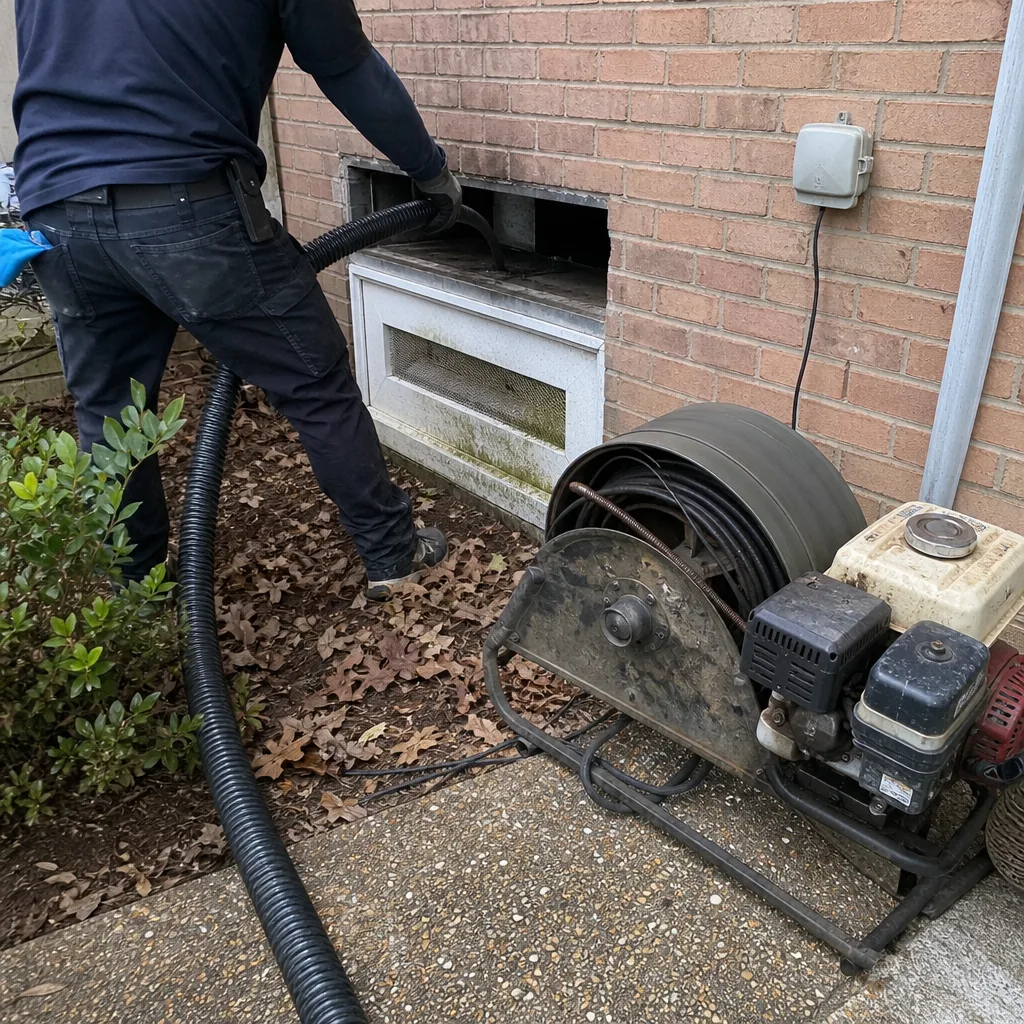 Before
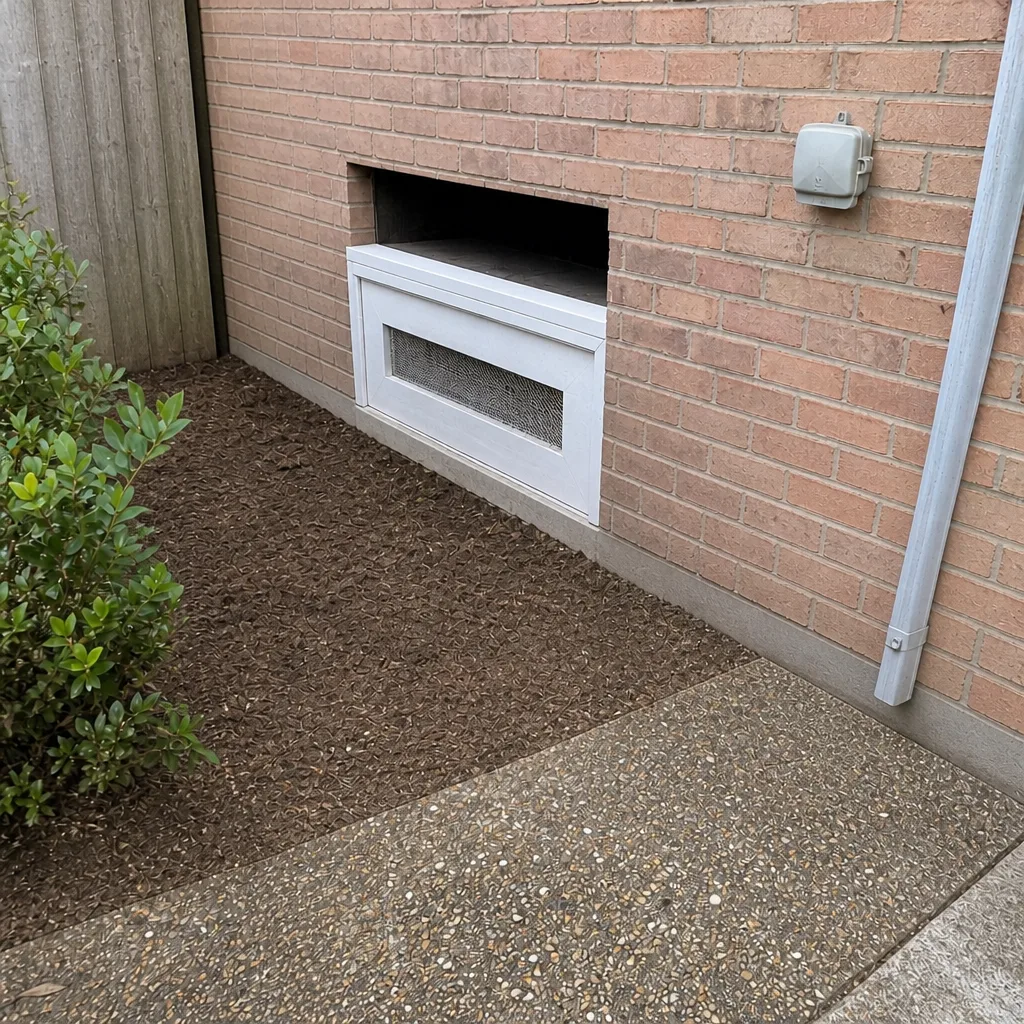 After
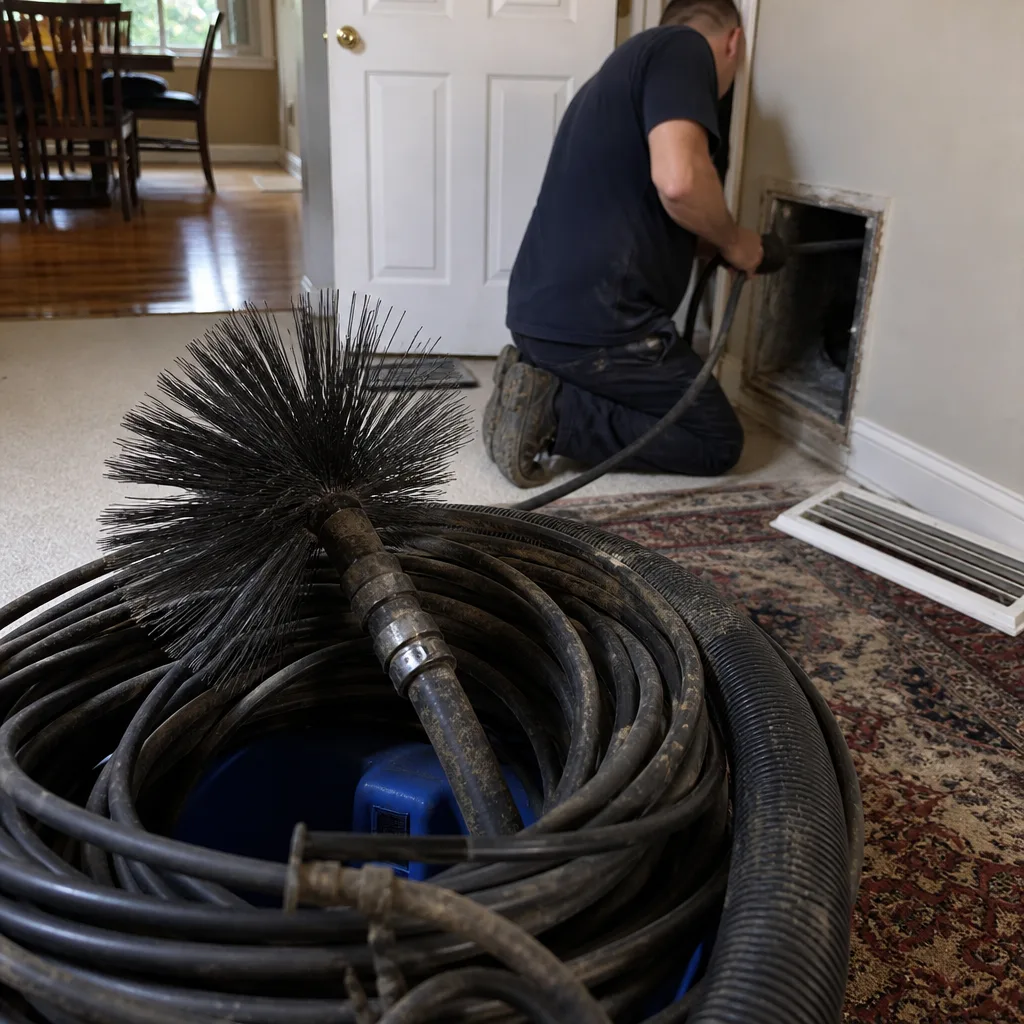 Before
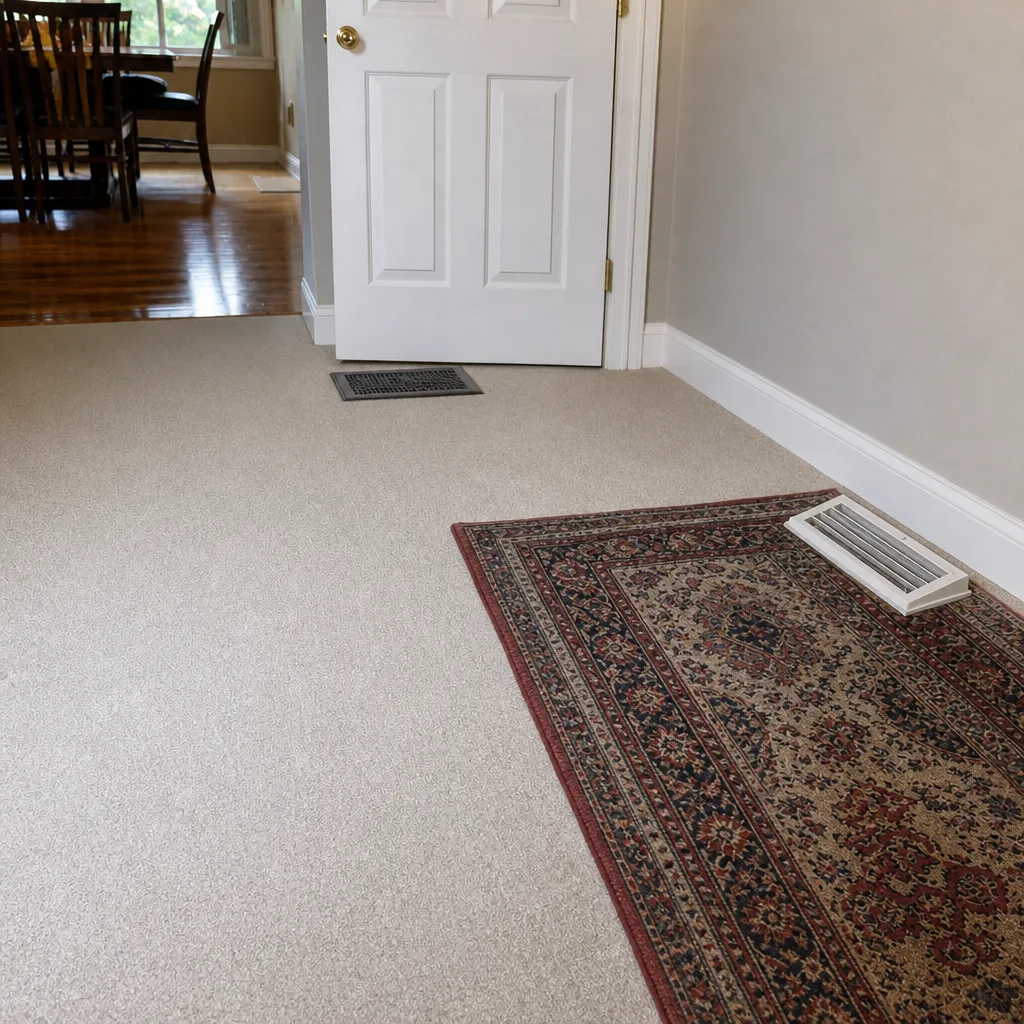 After
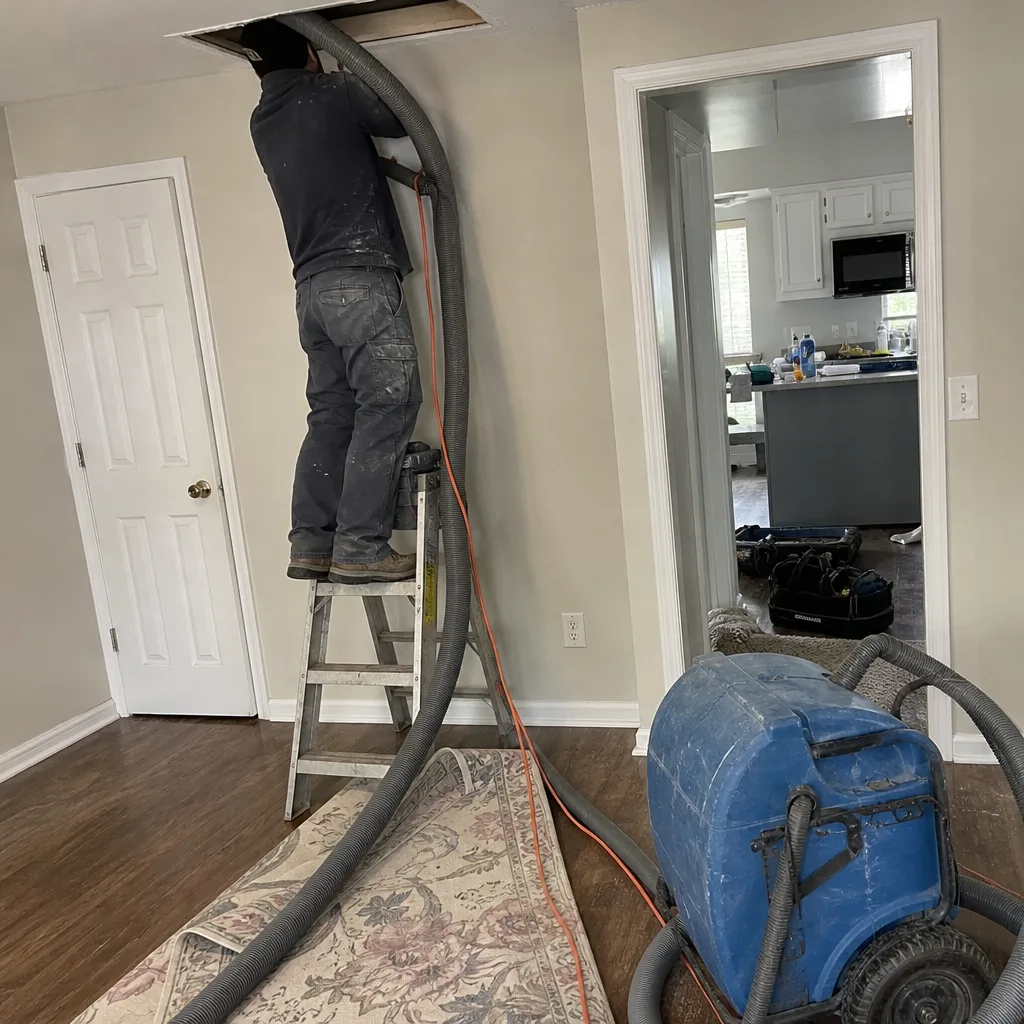 Before
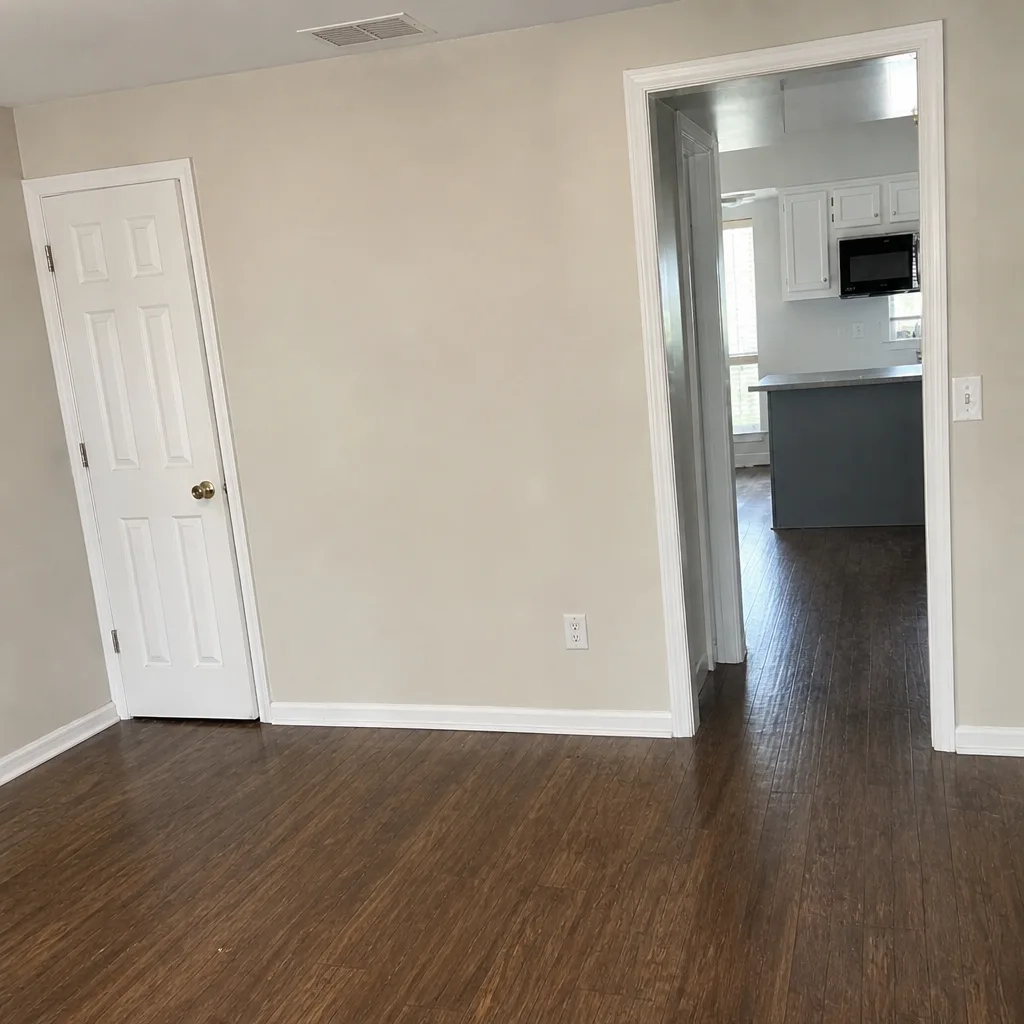 After
When to Call a Professional
Some duct conditions call for a professional rather than a homeowner’s guess. Visible debris blowing out of registers, a musty or dusty smell that returns after vacuuming, recurring allergy symptoms in a home, a dryer that takes two cycles to dry a load, or a system that’s been running for years without a cleaning are all signs worth a professional look. So is any ductwork that’s been damaged, disconnected, or poorly sealed, because the fix is repair and sealing, not cleaning alone. If you’re not sure, that’s reason enough to get an expert opinion.
Madison Air Duct Cleaning Co offers free estimates in Madison. Call (844) 443-4890 and we’ll walk the system with you before any work is quoted.
Frequently Asked Questions
No. Tennessee does not require a specialty license to clean air ducts, so a company can legally operate without a duct cleaning credential. That’s why equipment, written scope, and proof of work matter more than a license check. Ask for the equipment models, the written work order, and before-and-after documentation instead.
A legitimate whole-system price depends on your system’s zones, components, and condition, and it should come as a written estimate for the whole job, not a per-vent figure. Treat any whole-house quote under $150 as a signal the equipment can’t do professional work. Call (844) 443-4890 for a free estimate tailored to your system.
Cheap quotes either use consumer-grade equipment that can’t remove clinging debris or they’re teasers that grow once the technician is inside. A professional-grade operation has real costs the low price can’t cover. When a quote seems too low, ask what’s included and what triggers an extra charge. Call (844) 443-4890 to compare a full-scope estimate.
Ask for before-and-after photos of your own system and particle count readings taken before and after cleaning. These document the work in the ducts you can’t see. A contractor who can’t provide proof of completion is the one to keep calling. Ask Madison Air Duct Cleaning Co what documentation comes with the job.
There’s no single rule. Homes with pets, recent renovations, or allergy-sensitive occupants usually need it more often than a house with none of those. In Madison’s humid climate, moisture and buildup can accelerate between cleanings. Have the system traced and inspected to decide, rather than following a fixed schedule.
Yes. Duct repair and sealing is an in-house service, so leaks, gaps, and damaged sections found during cleaning can be corrected on the same visit rather than referred to a subcontractor. Ask any contractor whether repair is handled in-house before you book, so follow-up work doesn’t become a separate job.
The Bottom Line
Hiring an air duct cleaning contractor in Madison comes down to a short list: verify the equipment, demand the scope in writing, price per job rather than per vent, confirm repair and sealing are in-house, and ask for photos and particle readings as proof. Tennessee’s licensing gap means you can’t screen on credentials alone, but you don’t need to. The questions do the screening. A contractor who can answer all ten on the list is the one to trust with the job. And for a Madison homeowner or property manager who wants a straight walk through the system first, the phone is open. Call (844) 443-4890 for a free estimate. We answer 24/7. Fast dispatch from 7am to 7pm, Sunday through Friday.
Written by the team at Madison Air Duct Cleaning Co.