
Last updated November 24, 2026
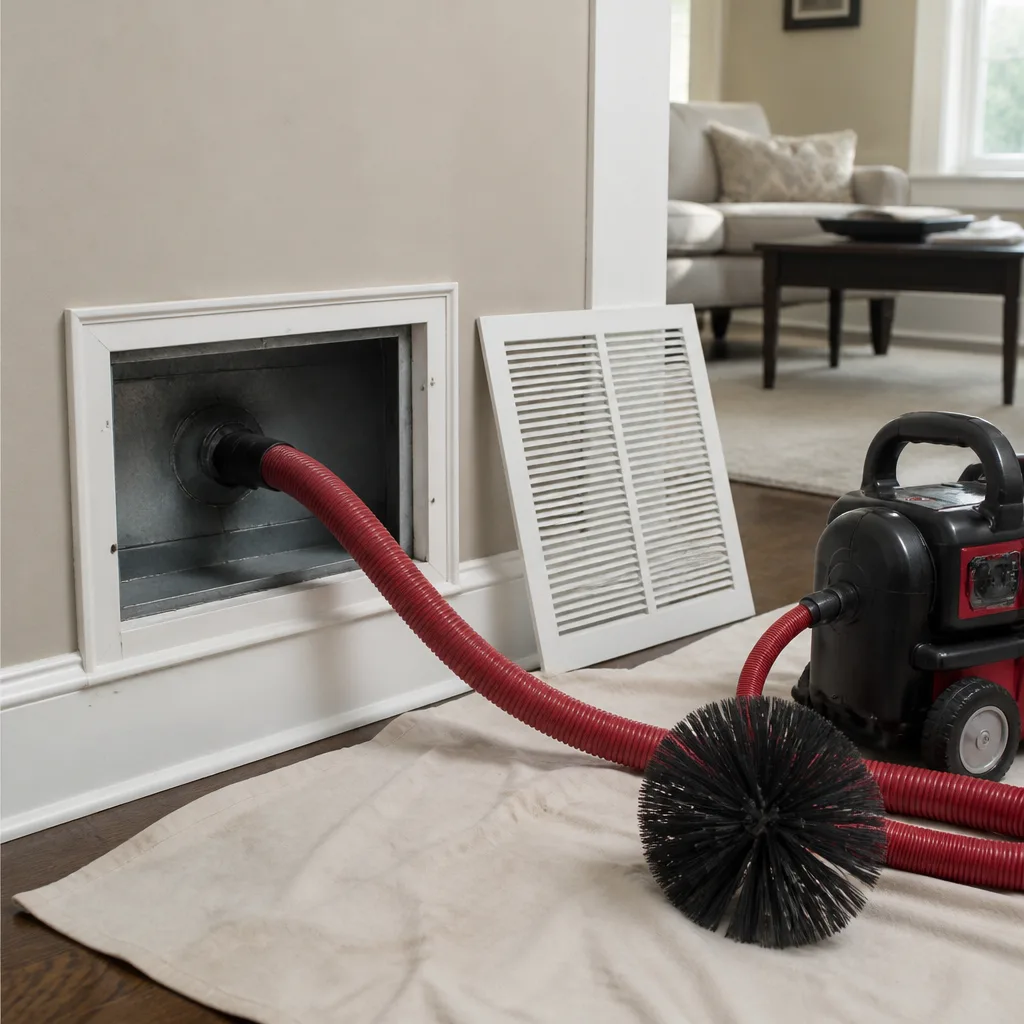 Whole-home duct cleaning
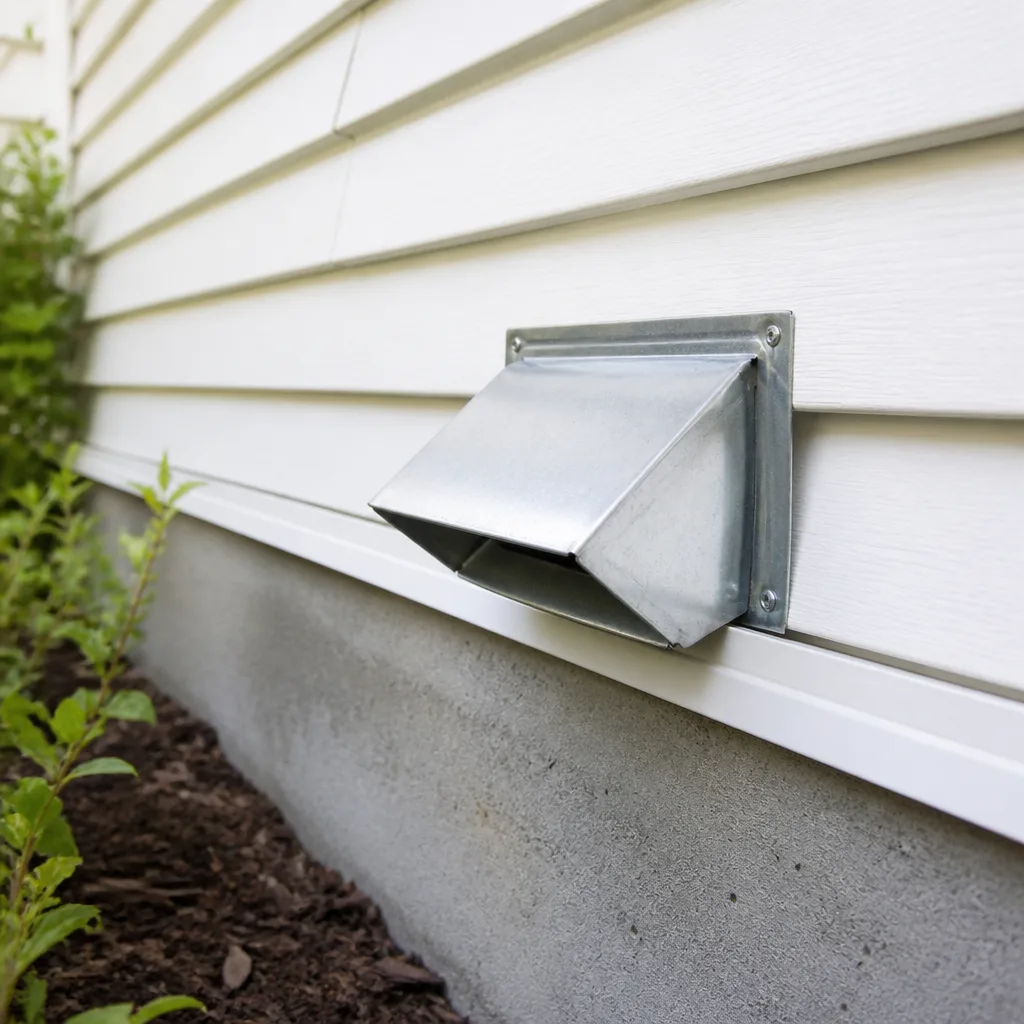 Dryer vent cleaning
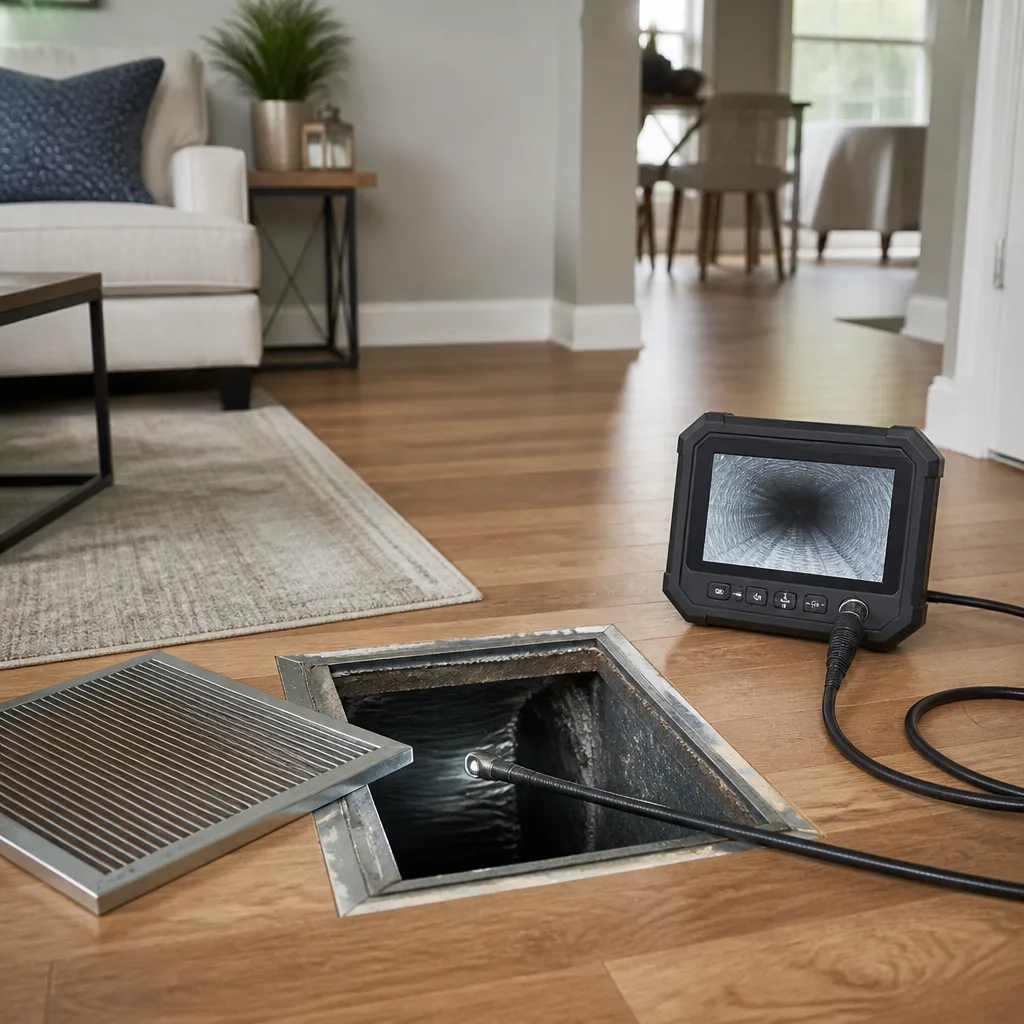 Camera inspection
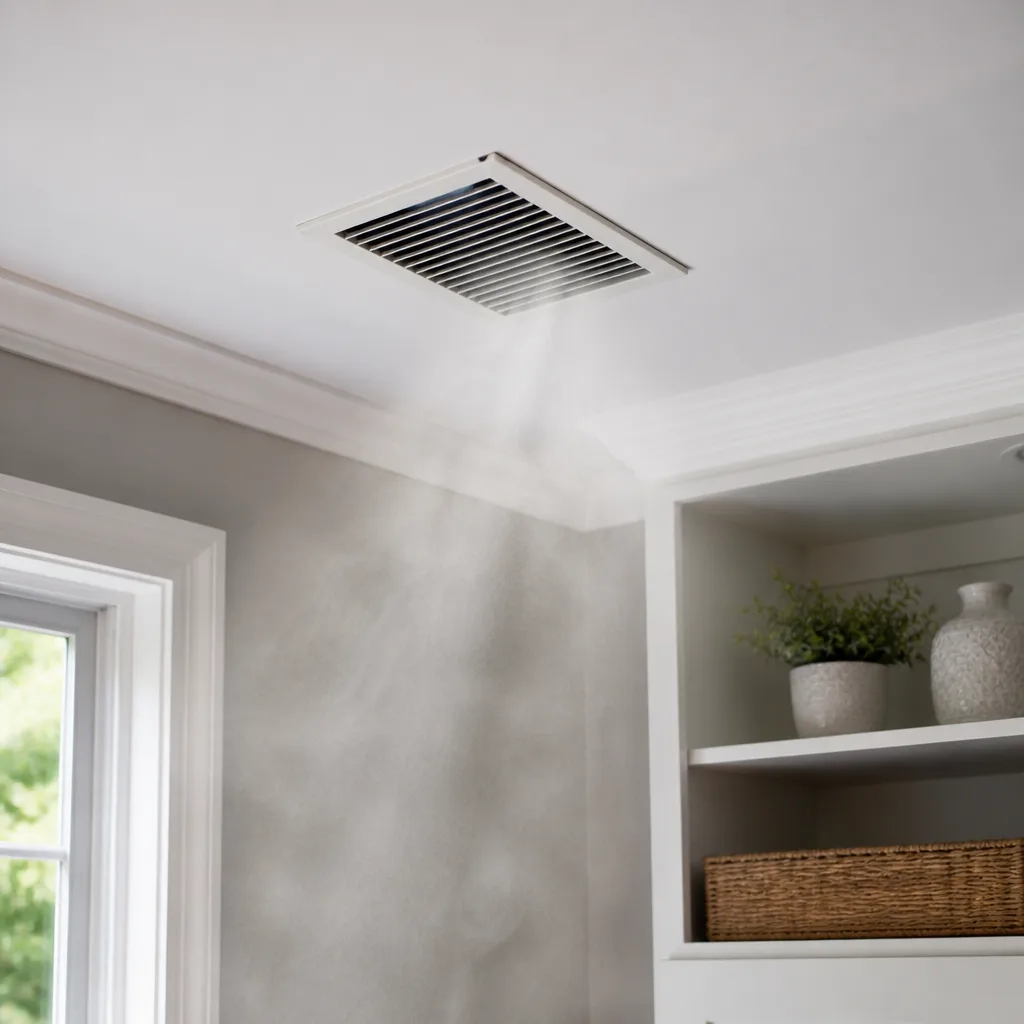 Sanitizing & deodorizing
Whole-system duct and dryer vent check with before-and-after photos - you see exactly what came out of your vents
That "$99 whole-house special" is a bait ad - the real number appears once they are in your hallway, or the "clean" is a shop-vac at the register. We photograph the inside of your ducts before and after instead.
Seasonal Air Duct Cleaning Care for Madison: Year-Round Homeowner’s Guide
Most homeowners treat duct cleaning as a single box to check every few years. In Madison, that thinking misses the real problem. Your duct system doesn’t collect the same stuff in April that it collects in January, and the risks change with the season. Middle Tennessee averages 48 inches of rainfall and carries some of the highest oak and grass pollen counts in the Southeast. Your ducts react to both, and the timing of your maintenance should too.
This guide breaks down what actually happens inside your air pathway across all four seasons in Madison, and it gives you a 12-month calendar built around inspection windows instead of a generic default. By the end you’ll know when to look, what to look for, and when a professional call is worth it.
Quick Answer
Seasonal duct care in Madison means matching your maintenance to the four distinct stress points here: spring pollen infiltration from late March through May, summer humidity that can push indoor conditions above 60% relative humidity, fall leaf and nesting debris at outdoor intakes, and winter heating-season combustion byproducts moving through the heat exchanger compartment. A single annual cleaning doesn’t hit all four. A calendar with specific inspection windows does.
Styles & brands we work with
- Whole-home duct cleaning
- Dryer vent cleaning
- Camera inspection
- Sanitizing & deodorizing
Table of Contents
- Why Timing Matters More Than Frequency in Madison
- Spring: The Pollen Infiltration Window
- Summer: Humidity and Microbial Growth Inside Ducts
- Fall: Intake Inspection and Debris Checklist
- Winter: Heating Startup and Downstream Effects
- Building Your 12-Month Madison Duct Calendar
- What a Full-System Cleaning Actually Involves
- Common Mistakes to Avoid
- When to Call a Professional
Why Timing Matters More Than Frequency in Madison
The standard advice says clean your ducts every three to five years. That number is a rough average pulled from national data, and it tells you nothing about your specific house in Madison. A home near the Cumberland River bottomland pulls in different particulate loads than one on higher ground toward the Neely’s Bend side of town, and the season you clean in determines what’s still in the system when you finish.
Here’s the practical point: contaminants don’t accumulate in a straight line. They spike. Pollen spikes in spring. Humidity spikes in summer. Leaf debris blows into outdoor intakes in fall. Combustion byproducts concentrate when the furnace first fires up in winter. If you clean in June, you catch the spring pollen but you clean right before the summer humidity peak, and you leave the fall and winter loads for later.
Madison’s climate also means your system runs both heating and cooling most of the year. That continuous operation keeps air moving through the same pathways, picking up and depositing material as it goes. We’ve seen systems where the return side tells one story and the supply side tells another, simply because of which season the last cleaning happened in.
- Spring (late March through May): highest particulate infiltration, pollen-dominant load
- Summer (June through August): humidity-driven biological growth risk inside duct work
- Fall (September through November): outdoor intake contamination, debris, critter intrusion
- Winter (December through February): heating startup, heat exchanger compartment, downstream soiling
What we’re after here is a calendar, not a count. Two cleanings scheduled to the right windows beat four cleanings scattered at random, because each window addresses a different process. That’s the core idea behind Madison Air Duct Cleaning Co‘s full-system approach.
Spring: The Pollen Infiltration Window
Late March through May is the single highest-infiltration period for particulate matter in Madison. Oak pollen leads, with grass pollen following and building through May. Those particles are small enough to pass through standard filters a homeowner changes on a slow schedule, and they settle on the cool, damp interior walls of return ducts where the air is moving slowly.
Here’s what most people get wrong. They assume the filter at the air handler catches everything. It doesn’t. Standard filters are designed to protect the equipment, not you, and they let a lot of fine particulate pass through. Once that material settles on the return duct surfaces, regular air movement keeps re-suspending some of it into the airstream and carrying it to the rooms you actually occupy.
The return-air pathway is the primary collection zone. Return grilles sit low in the wall or floor, right where dust and pollen fall. The duct between the grille and the air handler is large, low-velocity, and collects material fast during pollen season. Spring is when that pathway deserves a look.
- Inspect return grilles in early spring: pull each grille and look at the duct wall behind it. Visible gray film or visible pollen dust means the load is building.
- Change filters more often in April and May: a filter that lasts all year elsewhere may need attention sooner in Madison’s pollen peak.
- Schedule a full cleaning after pollen season, not during it: cleaning in mid-May catches the load without pulling fresh pollen in right behind it.
- Consider sanitizing after cleaning, not as a substitute: the treatment follows the physical removal. It doesn’t replace it.
We trace the return path before any cleaning begins so we know where the load actually sits. For the full scope of that work, see our air duct cleaning page.
Summer: Humidity and Microbial Growth Inside Ducts
Madison summer humidity regularly pushes indoor relative humidity above 60% RH. That’s the threshold where biological growth gets a foothold on duct surfaces, and it can happen even in a system that was cleaned a month earlier if the interior surfaces stay damp. This is the point most seasonal advice misses entirely.
Think about what happens in a cooling system. Cold air moves through insulated duct work, and where the insulation is compromised or the duct passes through an unconditioned space, the interior wall can stay cold and wet. Condensation collects. Combined with a dust load that was never fully removed, that’s a favorable environment for microbial growth, and it doesn’t announce itself loudly.
The signs are subtle. A musty smell when the AC first kicks on. A return grille that feels damp to the touch. Visible discoloration on the inside of the duct wall once you pull a grille. None of these require panic, but all of them point to the same root cause, which is moisture plus leftover deposit.
Summer is the right window for:
- Inspecting the interior of ducts passing through attics and crawlspaces, where condensation risk runs highest
- Checking whether insulation around the air handler and duct joints is intact
- Running a sanitizing treatment when a musty odor or visible growth is present, after cleaning
- Making sure the drip pan and condensate line at the air handler are draining properly
We use Abatement Technologies air filtration during these jobs so dislodged material gets captured in real time instead of recirculating through the house while we work. That matters more in summer, when doors and windows are shut tight.
Fall: Intake Inspection and Debris Checklist
Fall is when Madison’s leaf drop combines with exposed outdoor intakes on older homes to create a specific problem: debris and small animals finding their way into the return pathway. Older houses in Madison frequently have unprotected or poorly screened outdoor return grilles, and once leaves pack against them, airflow drops and the system pulls air from somewhere else with far worse contamination.
Critter intrusion is real and it’s underreported. Squirrels, birds, and insects look for protected shelter as the weather cools, and an unscreened outdoor intake looks like a doorway. Once inside, nesting material accumulates on duct walls and creates a deposit that regular cleaning isn’t designed to remove on its own.
Here’s the fall inspection checklist we recommend:
- Screens and grilles: check every outdoor intake for intact screening. Repair torn screen immediately.
- Visible debris: look for leaves, twigs, or grass packed against the grille faces. Clear them before they work inside.
- Nesting evidence: look for straw, shredded material, or droppings near the air handler or at the base of vertical duct runs.
- Airflow changes: if a room that used to be comfortable now feels underfed, a blocked intake might be why.
- Filter condition: a filter loaded with fall debris will starve the system. Change it before the heating season.
If you find damage inside the ducts, leaks, gaps, or torn sections, that’s where duct repair and sealing matters. We handle that in-house on the same visit, which means the fix doesn’t wait for a second appointment from a different company.
Winter: Heating Startup and Downstream Effects
The first heat of the season does something specific and worth understanding. The heat exchanger compartment goes from cold and idle to hot and running. The blower wheel spins up after months of lighter use, and everything that settled on the heat exchanger surface, the blower wheel, and the interior of the flue area during the cooling season gets baked and blown through the entire duct system downstream.
That’s the winter stress point. It’s not the contamination itself so much as the timing and the vehicle. Combustion byproducts, dust baked onto the heat exchanger, and debris loosened from the blower wheel all move into the supply ducts at the moment the system starts working hard.
This is also where the heat exchanger compartment deserves a look from a trained eye. Cracks or corrosion in a heat exchanger can allow combustion gases to mix into the supply air, and that’s a genuine safety concern. We don’t diagnose or repair heat exchangers, but our HVAC cleaning work includes cleaning the blower assembly and the components around the heat exchanger compartment so the technician inspecting the equipment can see it clearly.
- Before first heat: clean the blower wheel and inspect the compartment around the heat exchanger
- Before first heat: replace the filter so the system doesn’t push a fresh load of dust through
- During heating season: watch for soot smell, unusual noise, or a yellow rather than blue flame at the burner, and call an HVAC technician if any of those appear
- Late winter: inspect supply registers for new dust patterns that suggest a leak down the line
One caveat: if you smell gas or suspect a cracked heat exchanger, stop running the system and call a licensed HVAC technician. That’s a safety matter outside the scope of duct cleaning, and it deserves real attention, not a site visit from a cleaner.
Building Your 12-Month Madison Duct Calendar
Here’s the calendar we’d build for a typical Madison home. It’s built around inspection windows rather than a fixed cleaning interval, and it accounts for Madison’s specific seasonal loads.
- Late March: pull return grilles and inspect for pollen film. Change the filter. Note the load level.
- Mid-May: schedule a full-system cleaning to remove the spring pollen load after it has peaked.
- Late June: inspect ducts running through attics and crawlspaces for condensation. Check insulation condition.
- July: if mustiness is present, plan sanitizing after cleaning.
- September: run the fall intake checklist. Screens, grilles, nesting evidence, filters.
- October: if intake damage or duct leaks are found, schedule duct repair and sealing.
- November: clean the blower wheel and compartment around the heat exchanger before first heat.
- December through February: monitor for soot smell, unusual noise, or dust patterns at supply registers.
This calendar assumes average conditions. Homes with pets, recent renovations, or a smoker indoors will need more frequent inspection points. Homes with a well-sealed, well-filtered system can often stretch the intervals. The point is to build the schedule around what you find, not around a number pulled from a national average.
What a Full-System Cleaning Actually Involves
Real duct cleaning is an equipment-driven process, not a shop vac pointed at a grille. Here’s what a full-system job looks like when it’s done properly.
- Trace the air pathway. Every duct run gets mapped from the return grille through the air handler to the supply registers. We trace this before touching anything, because you can’t clean what you haven’t located.
- Set up negative-pressure containment. A high-capacity vacuum with HEPA-class filtration draws the whole system under negative pressure so dislodged material stays in the vacuum, not in your living room. We use Nikro equipment for this stage.
- Mechanically dislodge deposits. Rotobrush rotary-brush systems agitate the duct walls so the accumulated material releases and gets captured. A brush is what reaches the wall surface; a vacuum alone leaves the film behind.
- Deploying air filtration on-site. Abatement Technologies air filtration runs during the job so any particulates that do escape containment get captured as they’re disturbed.
- Clean the HVAC unit. The air handler, blower assembly, and the compartment around the heat exchanger are part of the system and get cleaned as part of it.
- Sanitize, if warranted. Applied after the physical removal. Not a substitute for cleaning.
- Repair and seal duct work in-house. Leaks, gaps, and damaged sections found during cleaning are corrected on the same visit.
Where a home needs broader air-quality work, we integrate Honeywell and Aprilaire products, which are the kind of filtration and humidity control solutions that make sense after a cleaning rather than instead of one. If your system needs significant air-flow correction after cleaning and sealing, Guardsman can be part of that conversation too.
Professional-grade equipment isn’t optional here. Rotobrush and Nikro systems are the same class of tools used by commercial and industrial contractors. A shop vacuum in a van can’t generate the negative pressure to contain a real job, and it can’t reach the duct walls with enough mechanical action to remove the deposit.
Our technicians have up to 15 years of experience, and we bring the same full-service scope to Madison property managers that we do to homeowners. That means duct cleaning, dryer vent cleaning, HVAC cleaning, air quality and sanitizing, and duct repair and sealing all under one roof.
Common Mistakes to Avoid
- Cleaning once and assuming it covers the year. A single cleaning in any season leaves the next season’s load completely unaddressed, and in Madison all four matter.
- Cleaning during pollen peak instead of just after. Cleaning in mid-April pulls fresh pollen back in immediately. Late May catches the whole load and removes it.
- Skipping the outdoor intake inspection entirely. Many Madison homes have unscreened exterior return grilles, and that’s where fall debris and animals get in.
- Treating sanitizing as a substitute for cleaning. A spray can’t remove deposit. Sanitizing follows physical removal, never replaces it.
- Cleaning the furnace and blower without cleaning the ducts. Blowing the blower clean with dirty ducts downstream just moves the deposit into the supply side.
- Accepting a quote based on price alone without knowing the equipment. If the quoted equipment isn’t named, the job isn’t likely to reach the duct walls at all.
- Ignoring small duct leaks in fall. A small gap in a duct joint pulls attic or crawlspace air into the supply system, and fall is the season when that risk peaks.
When to Call a Professional
Some seasonal checks are things any homeowner can do. Pull a grille and look. Clear leaves from an outdoor intake. Change a filter. But a few specific situations call for a trained crew with the right equipment, and the difference matters.
Call a professional if you find visible growth or persistent mustiness inside duct work, if a fall inspection turns up nesting material or duct damage beyond a simple repair, if a supply register shows unusual dust patterns that suggest a leak downstream, or if a winter heating-startup inspection turns up soot accumulation around the blower or heat exchanger compartment. Those are all cases where the issue is inside the system rather than at the grille, and home tools can’t reach it. We also recommend it if a system hasn’t been fully cleaned in several years, since the load builds faster than most homeowners expect.
Madison Air Duct Cleaning Co offers free estimates in Madison. Call (844) 443-4890. We answer 24/7. Fast dispatch from 7am to 7pm, Sunday through Friday.
See the difference
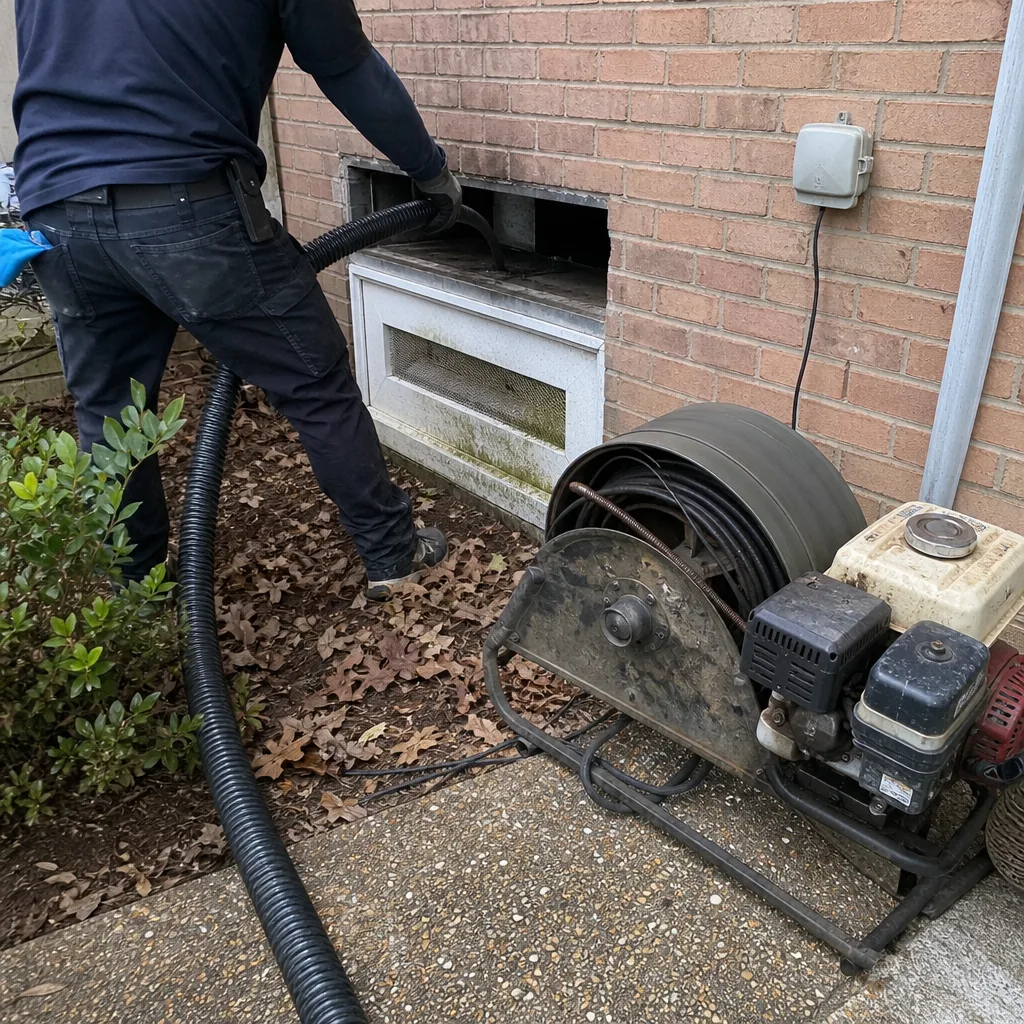 Before
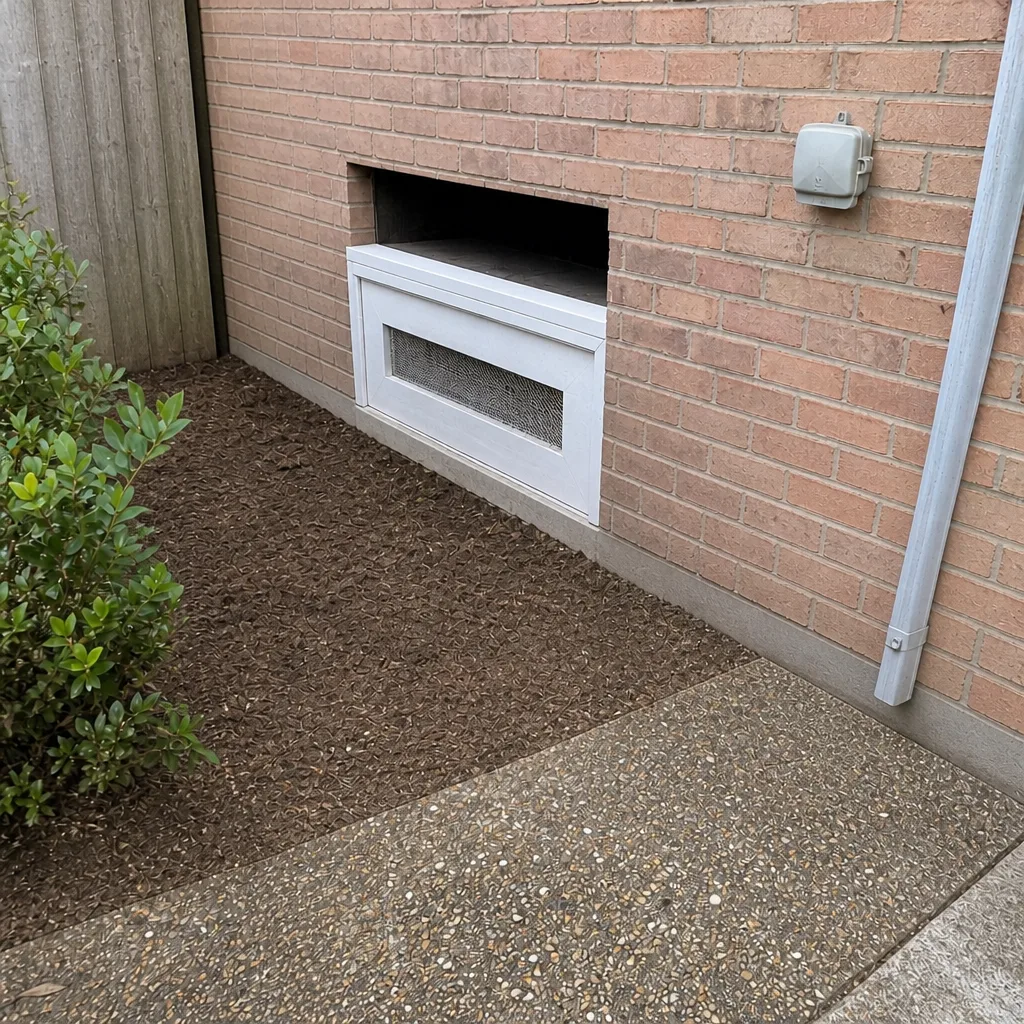 After
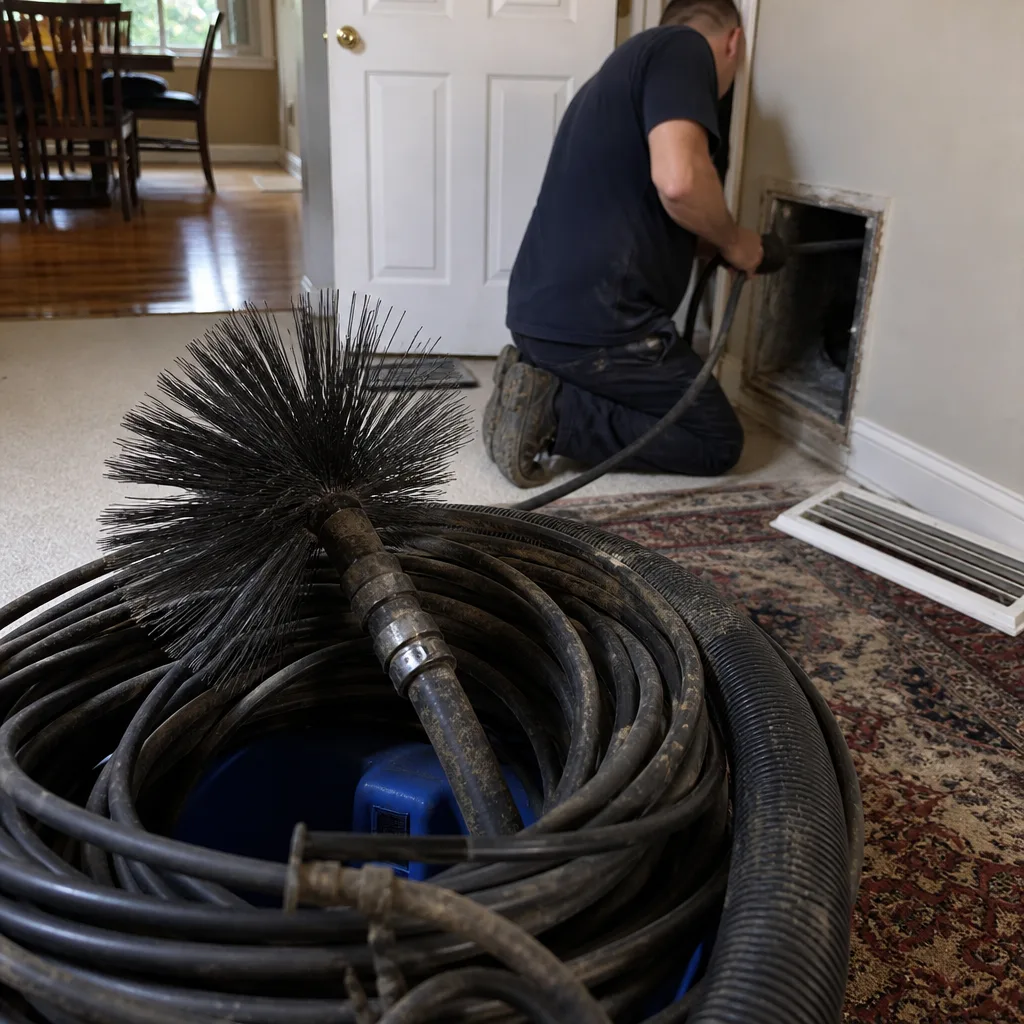 Before
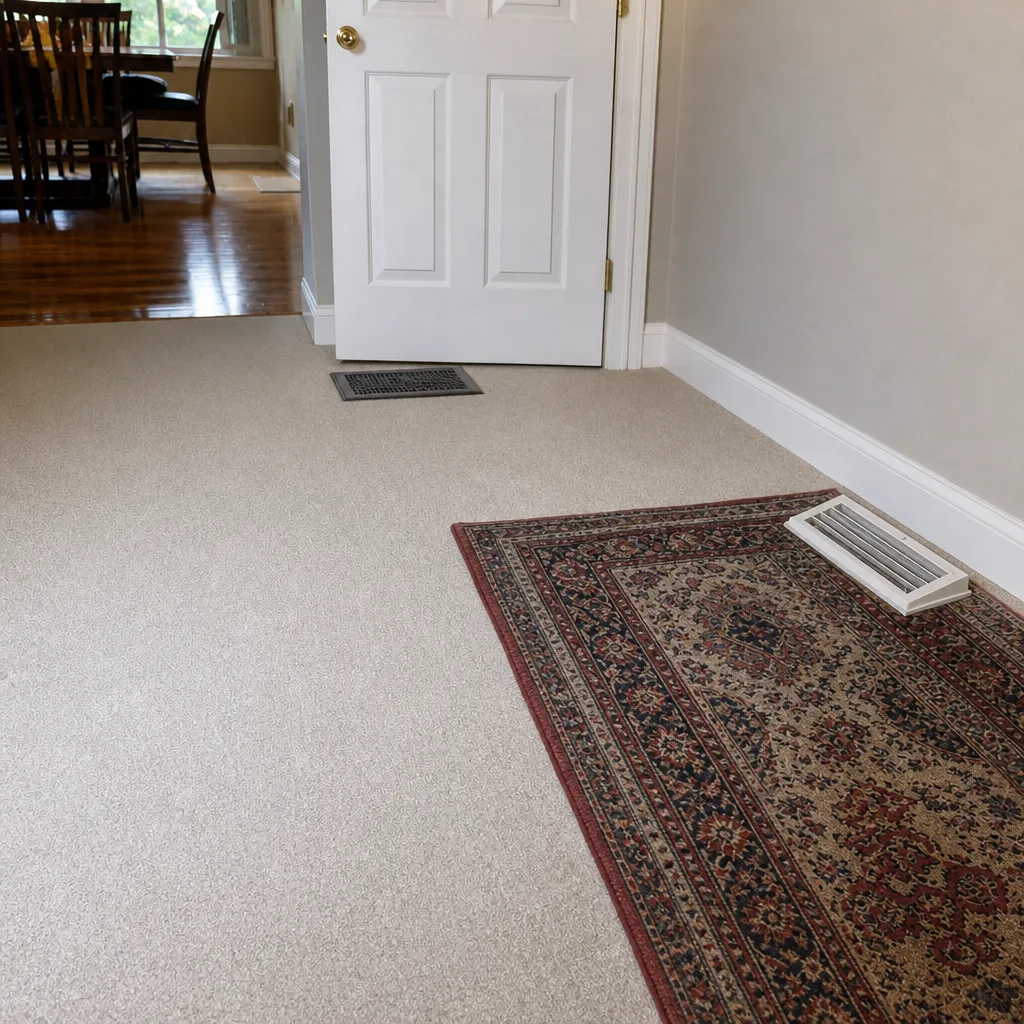 After
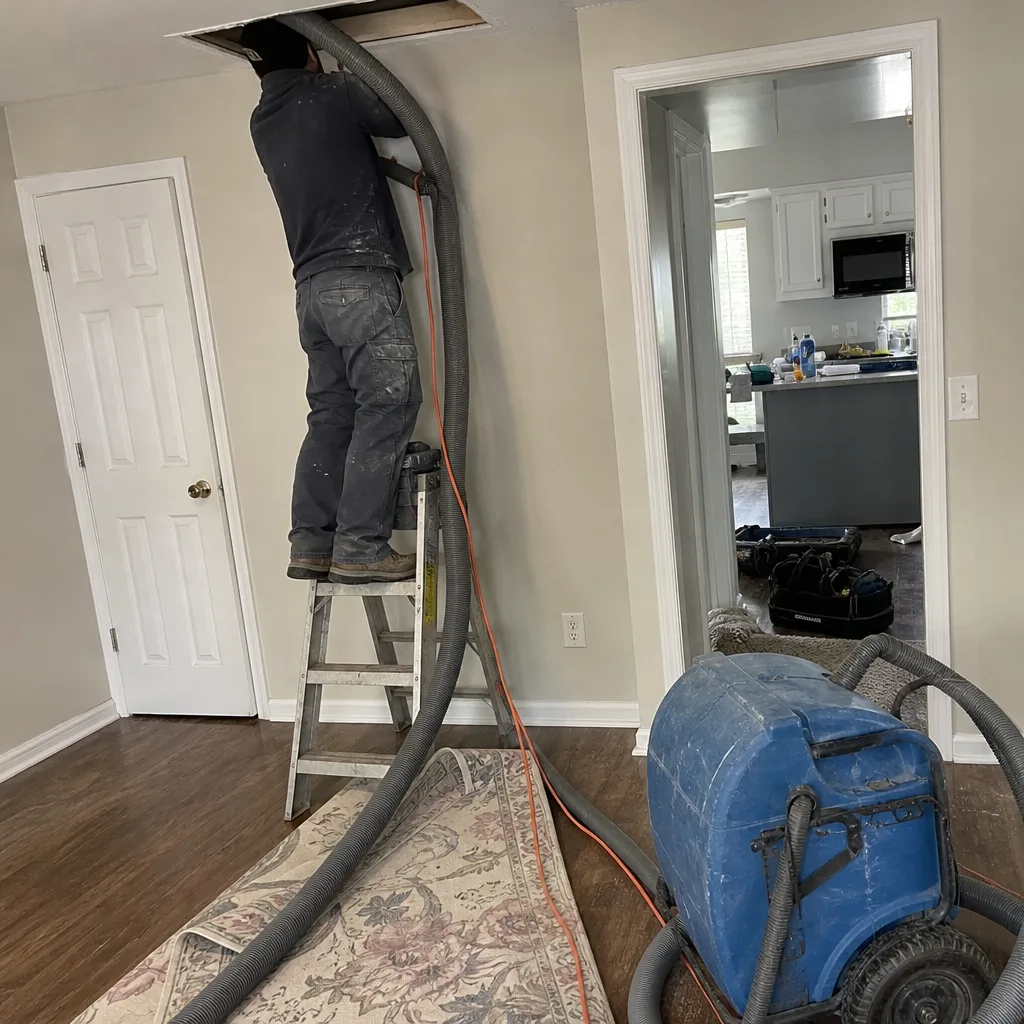 Before
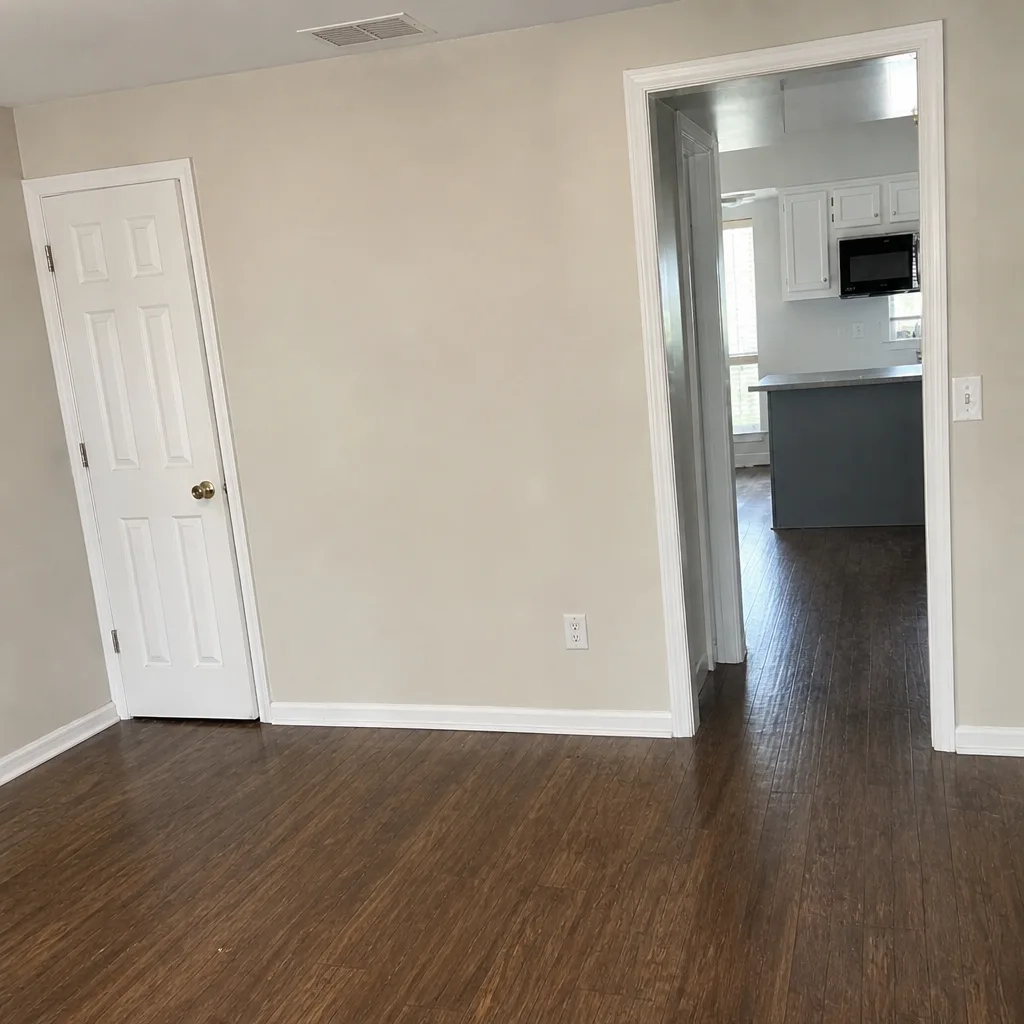 After
Frequently Asked Questions
Most Madison homes benefit from a full cleaning once a year, timed to follow the spring pollen peak in late May. That schedule accounts for the extra particulate load in Middle Tennessee. Homes with pets, recent renovations, or smokers may need an additional inspection point in fall or winter. Call (844) 443-4890 for an exact recommendation on your system, since the right answer depends on what a technician finds on-site. Estimates are free.
Late March through May is the highest infiltration period, driven mostly by oak pollen with grass pollen building through the season. Middle Tennessee sits in one of the higher oak and grass pollen bands in the Southeast. Scheduling a full cleaning in late May, after peak pollen, removes the concentrated load without immediately pulling fresh pollen back in. Call (844) 443-4890 to line up a spring-timed visit. Estimates are free.
Yes, when indoor relative humidity stays above 60% and duct surfaces remain damp. The damp surface can hold moisture from condensation even in a recently cleaned system. The risk is highest in ducts passing through attics or crawlspaces. Cleaning removes the deposit that makes a wet surface hospitable, and a sanitizing treatment applied after cleaning addresses what’s left. Call (844) 443-4890 for an inspection. Estimates are free.
The difference usually comes down to equipment and scope. A low quote often reflects a shop vacuum and a single pass at the grilles. A full-system job uses rotary-brush systems and negative-pressure HEPA extraction to actually reach and remove the deposit on duct walls. When accepting a quote, ask what equipment is used and whether it has a name. If it doesn’t, the job isn’t likely to remove what’s there. Call (844) 443-4890 for a full-system quote. Estimates are free.
Check for intact screens, visible leaf or grass debris against the grille, and any evidence of nesting inside the intake. Many Madison homes have unscreened or poorly screened outdoor returns on older construction, and those openings are exactly what leaves and small animals look for as the weather cools. Duct repair and sealing on the same visit handles most of what turns up. Call (844) 443-4890 for a fall inspection. Estimates are free.
The blower wheel and the compartment around the heat exchanger collect dust during the cooling season, and the first heat of the season bakes that material and pushes it downstream into the supply system. Cleaning those components before the heating season starts keeps that load out of the ducts. It also lets a technician clearly inspect the heat exchanger for cracks or corrosion, which is a safety concern. Call (844) 443-4890 to book a pre-winter HVAC cleaning. Estimates are free.
The Bottom Line
Madison’s four seasonal stress points, spring pollen, summer humidity, fall intake debris, and winter heating-season combustion byproducts, each create a different contamination risk inside the same duct system. A single cleaning on a fixed three-to-five year interval doesn’t map to any of them. Build a calendar instead. Inspect the return grilles in late March, clean in mid-May after pollen peaks, check interior ducts for condensation in early summer, run the fall intake checklist in September, clean the blower and heat exchanger compartment in November, and monitor supply registers through the heating season.
For the full-system work behind that calendar, we trace the air pathway, use Rotobrush and Nikro equipment, contain each job with Abatement Technologies air filtration, repair and seal duct work in-house, and integrate Honeywell and Aprilaire products for ongoing air-quality needs. Free estimates in Madison. Call (844) 443-4890. We answer 24/7. Fast dispatch from 7am to 7pm, Sunday through Friday. Estimates are free.
Written by the team at Madison Air Duct Cleaning Co.