
Last updated November 24, 2026
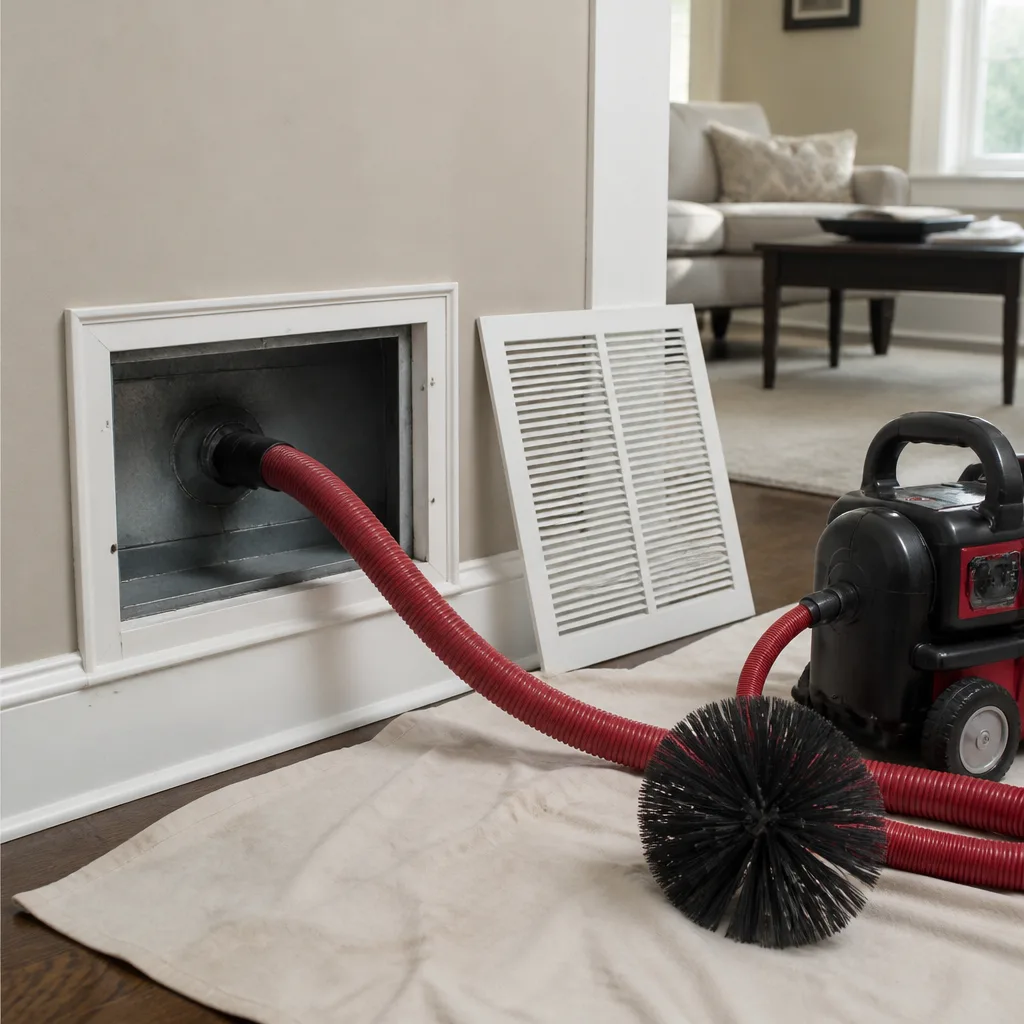 Whole-home duct cleaning
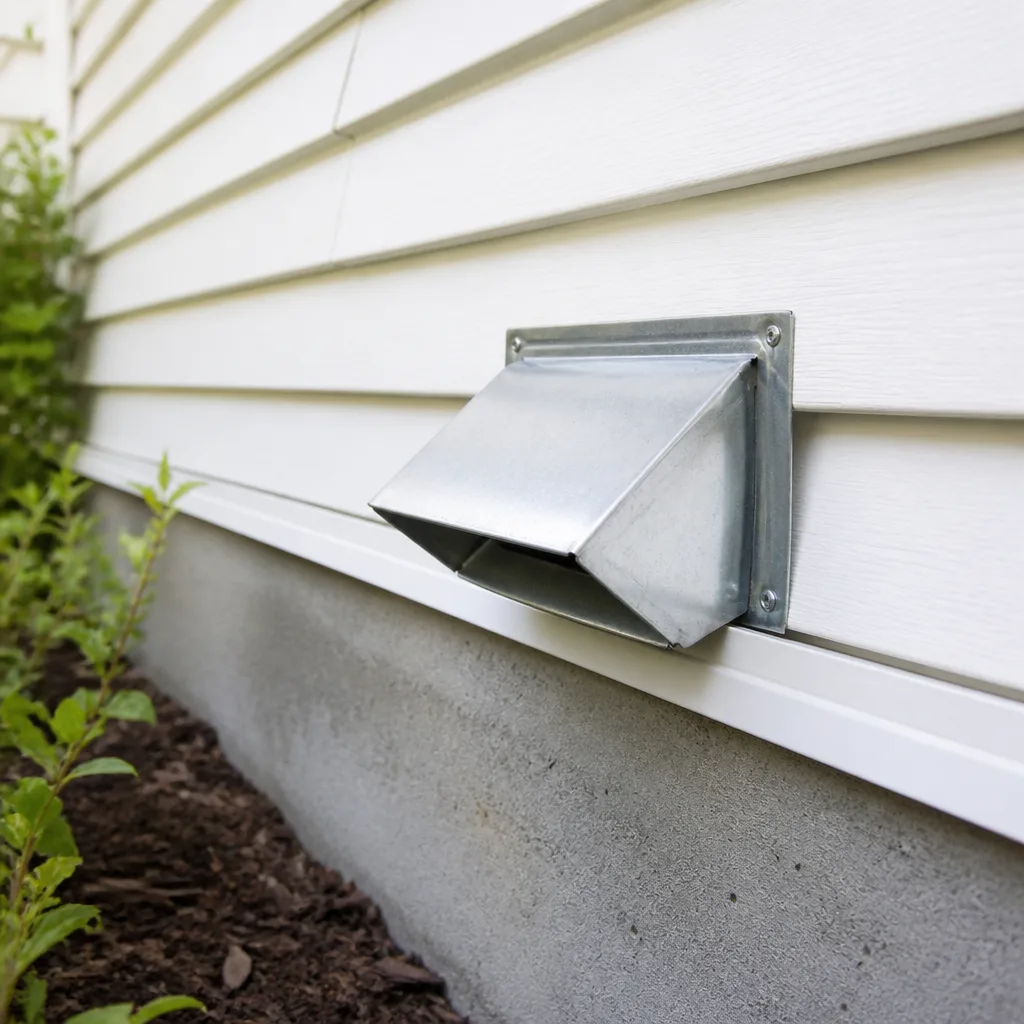 Dryer vent cleaning
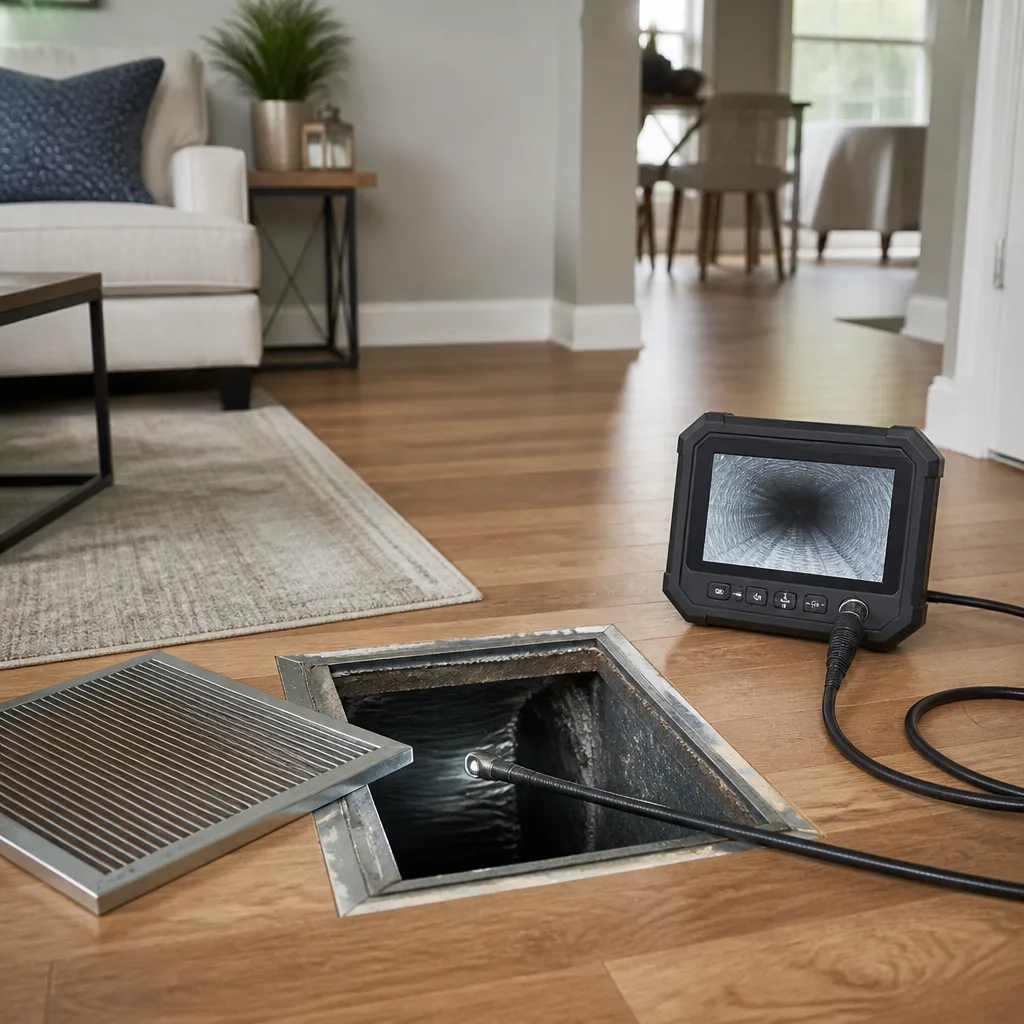 Camera inspection
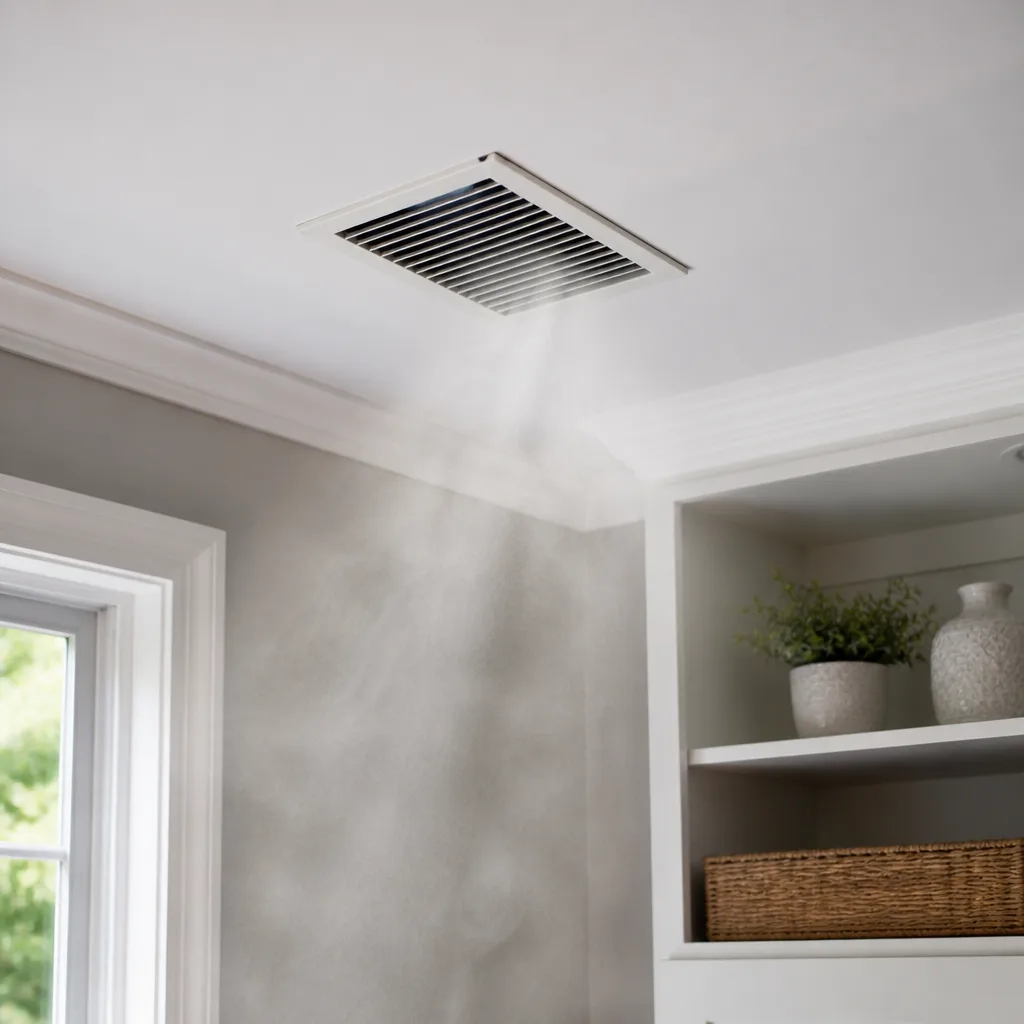 Sanitizing & deodorizing
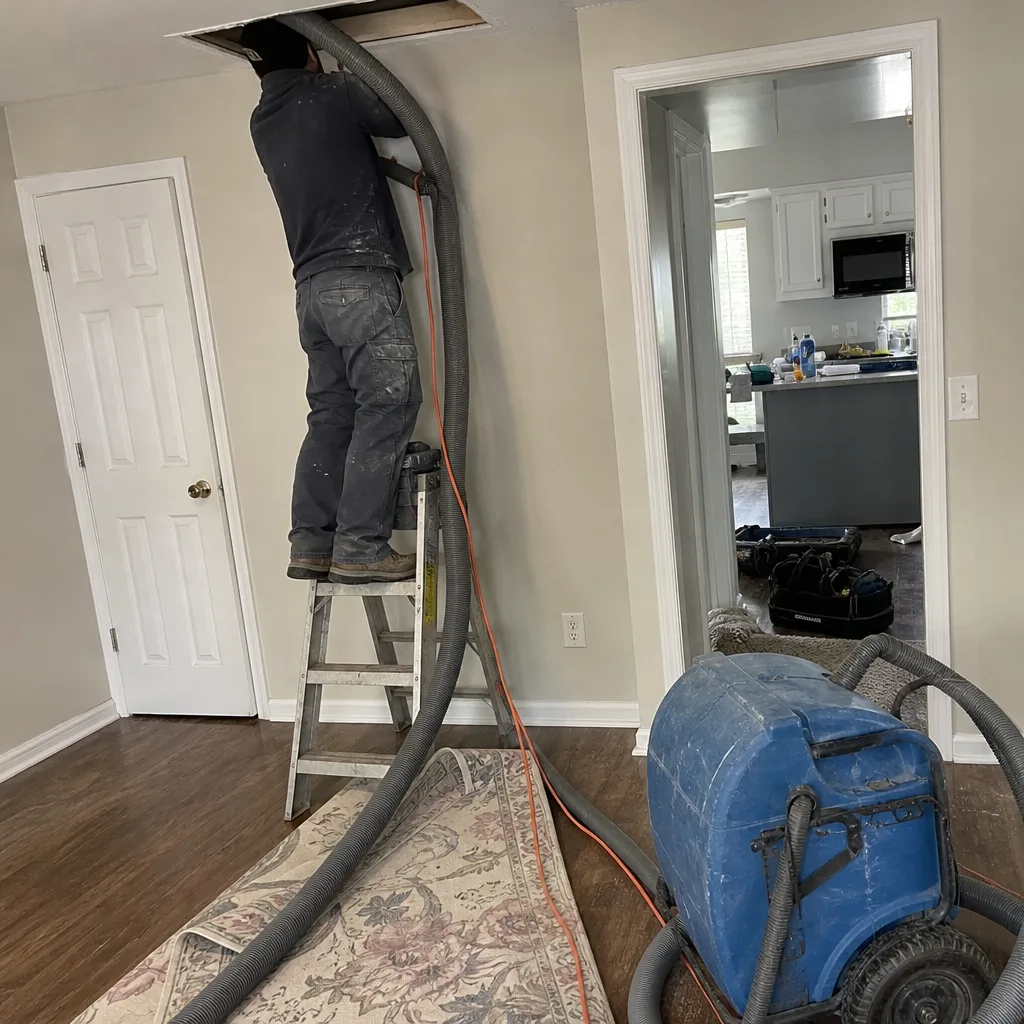
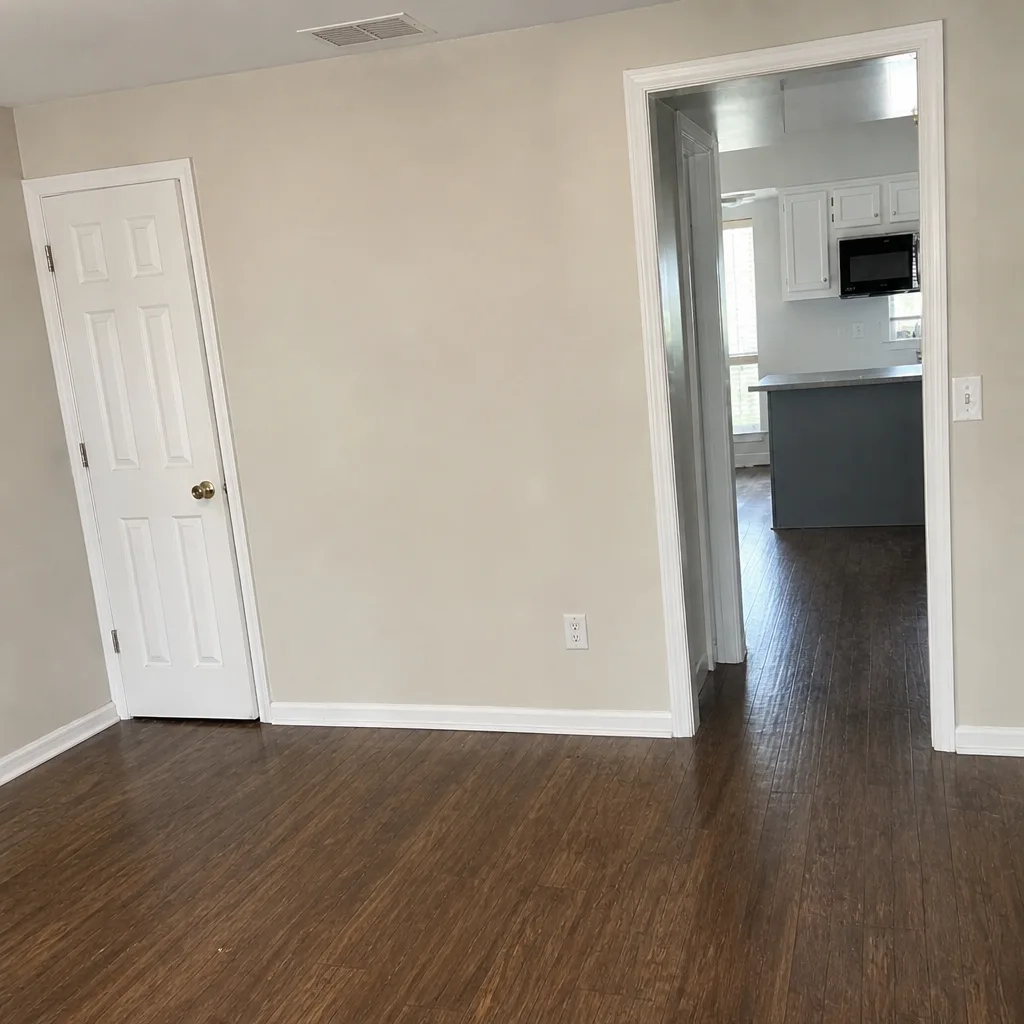
Whole-system duct and dryer vent check with before-and-after photos - you see exactly what came out of your vents
That "$99 whole-house special" is a bait ad - the real number appears once they are in your hallway, or the "clean" is a shop-vac at the register. We photograph the inside of your ducts before and after instead.
Air Duct Cleaning Permits, Codes & Inspections in Madison, TN: What You Need to Know
Here’s the part most homeowners don’t expect: routine air duct cleaning in Madison doesn’t need a permit, but the repair work we often find during a cleaning very well might. The moment a technician opens a sealed duct section, replaces a damaged flex run, or cuts in a new access panel, you may have crossed from maintenance into mechanical code territory. That line is blurrier than most people realize, and it changes what you should ask before anyone starts. This guide walks through where Tennessee code draws that line, how Davidson County inspections work, what to verify about contractor coverage, and why Madison homes run into these questions so often.
Quick Answer
Routine air duct cleaning is maintenance and does not require a permit in Tennessee. But duct repair, replacement of duct sections, new access panels, and any work that penetrates a wall or fire-rated assembly usually falls under the Tennessee State Building Code as mechanical work, which means a licensed HVAC contractor and often a Metro Nashville/Davidson County permit. Cleaning a system and modifying it are two different jobs under the code, and knowing which one you’re buying is the whole point.
Styles & brands we work with
- Whole-home duct cleaning
- Dryer vent cleaning
- Camera inspection
- Sanitizing & deodorizing
Table of Contents
- Cleaning vs. Repair: Where the Permit Line Falls
- What Tennessee’s Mechanical Code Actually Covers
- Duct Sealing: Who Can Legally Do It
- Fire-Code Rules for Duct Penetrations
- Verifying Insurance for In-Duct Work
- The Inspection Process in Davidson County
- How to Pull Your HVAC Permit History
- Why Madison Homes See This So Often
Cleaning vs. Repair: Where the Permit Line Falls
The cleanest way to think about it: cleaning removes what’s inside the duct, repair changes the duct itself. Tennessee treats the first as maintenance and the second as mechanical work. In our experience, the confusion shows up when a cleaning scope quietly expands mid-job, and the homeowner never realizes the work they’re now paying for is a different category entirely.
Here’s how the split usually breaks down:
- Stays in maintenance: brushing and vacuuming supply and return ducts, cleaning registers and grilles, cleaning the blower and coil area, cleaning a dryer vent, and applying a sanitizing treatment after the cleaning is done.
- Usually crosses into code territory: replacing a collapsed or disconnected flex run, adding a new duct branch, cutting a new access panel into a trunk line, sealing with mastic where the seal is part of the mechanical system, and anything that penetrates a wall, floor, or ceiling assembly.
- Grey area to ask about: reconnecting a joint that came loose during cleaning, replacing a torn section with like material, and applying foil tape to a small gap. Some of this is genuinely repair, some is finishing the cleaning correctly. Ask the technician to name what they found and which category it falls in before they touch it.
This is why we trace the full air pathway, from return grille to blower unit, before any cleaning begins. What we find during that walk-through determines whether the job is a clean, a clean-plus-seal, or a clean-plus-repair that needs a licensed HVAC contractor and possibly a permit. If it’s the third one, you deserve to know that before the estimate, not after.
What Tennessee’s Mechanical Code Actually Covers
Tennessee adopts a statewide building code, and mechanical work falls under it. Local jurisdictions like Metro Nashville/Davidson County enforce that code and issue the permits. The scope matters: the code is written around systems, not around cleaning. Ducts, the equipment that moves air through them, and any component that affects how a system performs are all inside the mechanical code’s reach.
What that means for a Madison homeowner, in practical terms:
- Cleaning is outside the mechanical permit process. Removing debris doesn’t alter the system, so it doesn’t trigger a permit.
- Modification is inside it. If the work changes airflow, changes a duct’s size or routing, or replaces a component, the code generally treats it as mechanical work.
- The license question follows the permit question. If a permit is required, the contractor pulling it is normally a licensed mechanical contractor. A cleaning company that isn’t licensed for mechanical work shouldn’t be pulling a mechanical permit.
- Repair without a permit still isn’t free of code. Some minor repairs don’t require a permit but still must be done to code. That’s a real distinction, and it’s why “we don’t need a permit for this” isn’t the same as “there are no rules here.”
We handle repair and sealing in-house as part of our scope, and we’re clear with homeowners about which repairs fall inside a cleaning visit and which need a permit and a licensed mechanical contractor. That honesty costs us a little work sometimes. It also keeps your system legal and your records clean, which matters if you ever sell the house. For the cleaning side of the equation, our air duct cleaning service is pure maintenance and stays out of the permit conversation entirely.
Duct Sealing: Who Can Legally Do It
Sealing is where the line gets genuinely blurry, and it’s the question we get most. Applying mastic or foil tape to close gaps in the duct system sounds like minor maintenance, and sometimes it is. But sealing changes how the system performs, and in a lot of cases Tennessee treats meaningful duct sealing as mechanical work that belongs to a licensed HVAC contractor.
Here’s the distinction we use:
- Finishing a cleaning: resealing an access panel or joint that was opened to do the cleaning, using the same method that was there before. This is part of completing the job correctly.
- Sealing as a repair: sealing gaps and leaks found throughout the system to reduce air loss and improve performance. This is mechanical work, and in most cases it’s a licensed contractor’s job.
- Sealing in fire-rated assemblies: this is a different category entirely and covered in the next section. Don’t let anyone treat it as tape-and-go.
Why does the distinction matter so much? Because a poorly applied seal in the wrong place can create a code problem, a moisture trap, or a fire-safety issue, and none of those are things you want discovered during a home inspection. The materials matter too. Mastic is a permanent, painted-on seal. Foil tape is a mechanical seal and holds up better than the old cloth duct tape that dries out and falls off. If a technician is reaching for cloth tape, ask why.
We repair what we find, on the same visit, and we’re direct with homeowners when a particular repair belongs with a licensed mechanical contractor instead. That’s not passing the buck. It’s keeping the work inside the category it legally belongs to. Once sealing is done properly, adding air-quality filtration or a HVAC cleaning visit keeps the whole system in better shape going forward.
Fire-Code Rules for Duct Penetrations
This is the safety section, and it deserves a straight answer. When a duct passes through a wall, floor, or ceiling that’s part of a fire-rated assembly, the penetration has to be protected exactly the way the code requires. There are no shortcuts here, and there’s no repair a cleaning technician should be making on their own.
What a technician should never do without a permit and the right oversight:
- Enlarge an existing duct penetration or cut a new one through a wall or ceiling assembly.
- Remove or alter fire dampers or any fire-rated component in the duct path.
- Patch or seal a penetration with materials that aren’t rated for the assembly.
- Reroute a duct run so it crosses a fire separation that it didn’t cross before.
If you’re not sure whether a wall is fire-rated, the safe answer is that you don’t know, and the work waits until someone who does know takes a look. A licensed contractor and, where required, a code official can make that call. We flag it and step back. That’s the right call every time, and it’s part of operating honestly in Madison.
Verifying Insurance for In-Duct Work
Here’s a question almost nobody asks, and it’s one of the most important: does the contractor’s insurance actually cover work inside your ducts? General liability coverage on a contractor’s policy is not the same thing as coverage for in-duct work, and a policy written for general handyman work may not respond to a claim involving duct damage, a dislodged component, or debris that ends up somewhere it shouldn’t.
How to verify coverage before you hire:
- Ask for a certificate of insurance and read the coverage description, not just the dates. You want to see general liability and, where employees are involved, workers’ compensation.
- Ask specifically whether in-duct cleaning and repair are covered activities. If the answer is vague, that’s your answer. A contractor who does this work regularly will know how their policy is written.
- Confirm the certificate is current and that it names the insured entity you’re actually hiring, not a parent company or a different name.
- Ask about the equipment. Coverage questions get easier to answer when the contractor is using professional-grade equipment built for the job. We run Rotobrush rotary-brush extraction and Nikro HEPA-class equipment with Abatement Technologies air filtration deployed on-site, because the right equipment reduces the risk the insurance is there to cover.
The verification step is free and takes five minutes. Any contractor who’s uncomfortable with it is telling you something. In Madison, where plenty of homes have older duct systems that can be fragile inside, the coverage question is worth asking every time.
The Inspection Process in Davidson County
If your duct work does require a permit, here’s what the inspection generally looks like from the homeowner’s side. Metro Nashville/Davidson County issues the permit and sends an inspector at the stages the code requires. For most duct work, that means a rough-in inspection before the system is closed back up and a final inspection once the work is complete.
What an inspector typically looks at:
- That the work matches what the permit describes, including duct sizing and routing.
- That connections are sealed and supported the way the code requires.
- That any penetration through a fire-rated assembly is protected correctly.
- That access panels are in place and accessible for future service.
- That the mechanical equipment involved is installed to the manufacturer’s instructions and the code.
Your contractor should schedule the inspection; that’s part of pulling the permit. Ask them to confirm the inspection is scheduled and to tell you when it passes. A contractor who’s reluctant to talk about inspections is a contractor to think twice about.
If you’re buying a home in Madison and want to know whether prior duct work was permitted, the inspection history is part of the record. That’s the next section.
How to Pull Your HVAC Permit History
Requesting your HVAC mechanical permit history is a public-records request, and it’s something any homeowner can do. Metro Nashville/Davidson County keeps permit records, and the code department can tell you what was permitted at your address and when. This is useful when you’re buying a home, when you suspect unpermitted work, or when you’re planning a project and want to know what’s already on record.
How to do it:
- Go to the Metro Nashville codes department (the department that handles building permits for Davidson County) and ask for the permit history for your address.
- Give them the full address and, if you have it, the parcel or property ID. The address alone is usually enough.
- Ask specifically for mechanical and HVAC permits, not just building permits. Duct work often shows up under the mechanical permit, and a general building search can miss it.
- Request copies of the permits and the inspection results. A permit that was pulled but never inspected is a different situation from one that was inspected and passed, and you want to see which is which.
- Keep the copies. If you ever sell the home in Madison, having the permit history in hand answers buyer questions before they become negotiation points.
Unpermitted work isn’t automatically bad work, but it does shift risk to you as the homeowner. That’s the practical reason to check.
Why Madison Homes See This So Often
Madison’s housing stock is older, and a lot of it was built before duct systems were designed with the access panels and clearances modern service work expects. That’s the first reason these questions come up here more than in newer suburbs: older systems have more points where a repair is needed and fewer places to reach them without opening something up. A duct run that was installed in a tight attic or a crawl space with no service access often needs a panel cut in, and that cut alone can be the thing that triggers a permit question.
Middle Tennessee’s humid summers and cool winters also put real stress on duct connections. The temperature swing between an attic and the conditioned space it serves causes expansion and contraction that loosens joints and cracks seals over time. That’s not a code problem, it’s a physics problem, and it explains why the repair scope on an older Madison home can be larger than the homeowner expected. We see it constantly: what starts as a cleaning becomes a conversation about sealing and repair, and that’s the honest thing to tell a homeowner.
Madison’s mix of single-family homes and rental properties adds a layer. Property managers have to think about permit records and inspection history in a way a single homeowner may not, because the work has to hold up across tenants and turnovers. We work with both, and the code conversation is the same either way.
Common Mistakes to Avoid
- Assuming “cleaning” covers repairs. A cleaning quote that turns into a repair bill is the most common surprise in this trade. Ask up front what’s included and what counts as separate repair work.
- Not asking who’s licensed for what. A cleaning company and a licensed mechanical contractor are different things under Tennessee code. Know which one is doing the repair and whether a permit applies.
- Letting a technician cut a new access panel without a conversation. A new panel changes the mechanical system. Ask whether it’s covered and whether a permit is needed before the saw comes out.
- Accepting a certificate of insurance without reading the coverage description. In-duct work isn’t automatically covered by general contractor insurance, and the certificate has to name the activities.
- Skipping the permit history when buying a Madison home. Unpermitted duct work shows up at the worst time – during your own sale or your buyer’s inspection. Check before you close.
- Treating fire-rated penetrations as a tape-and-seal job. That’s a code and safety issue, and it’s not a repair a cleaning technician should make without the right oversight.
- Hiring on price alone. A quote that’s dramatically lower than the others usually has a smaller scope hiding inside it. The comparison should be equipment, scope, and process, not the number alone.
See the difference
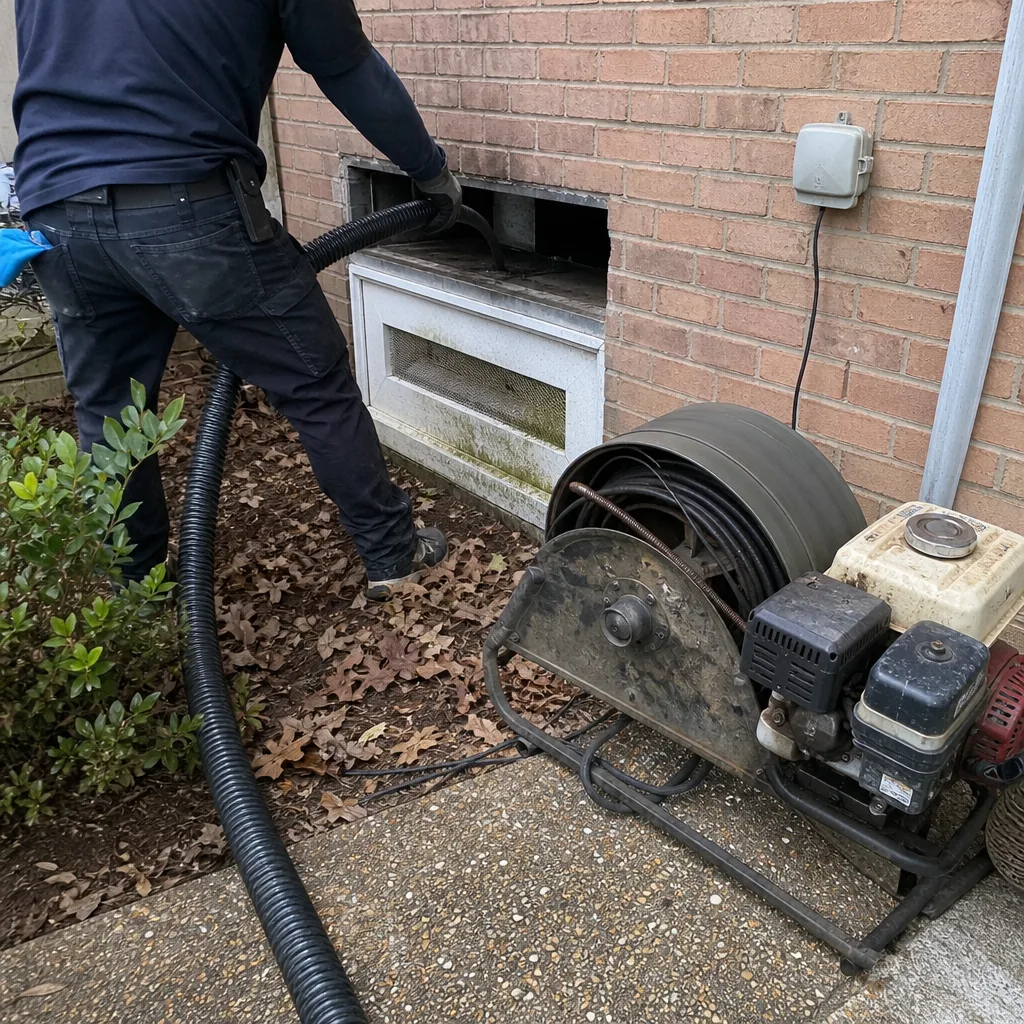 Before
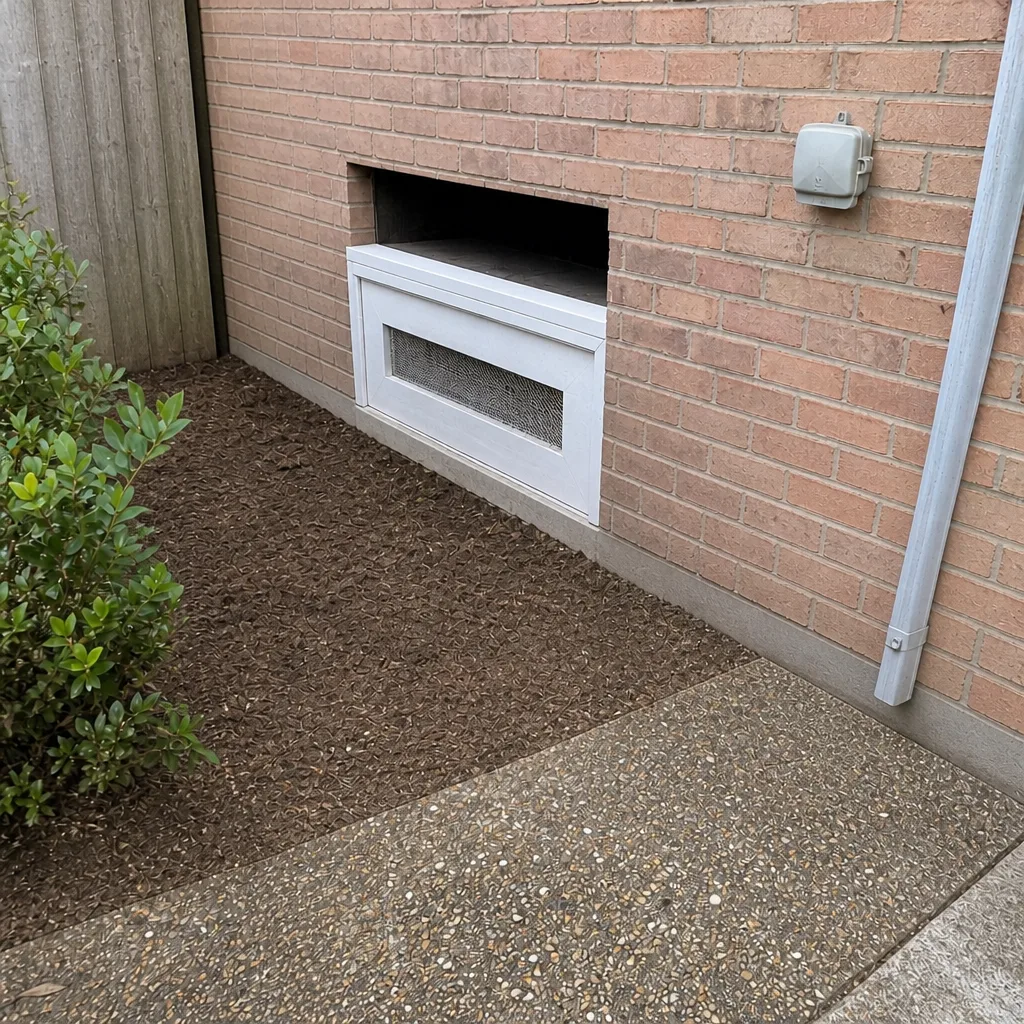 After
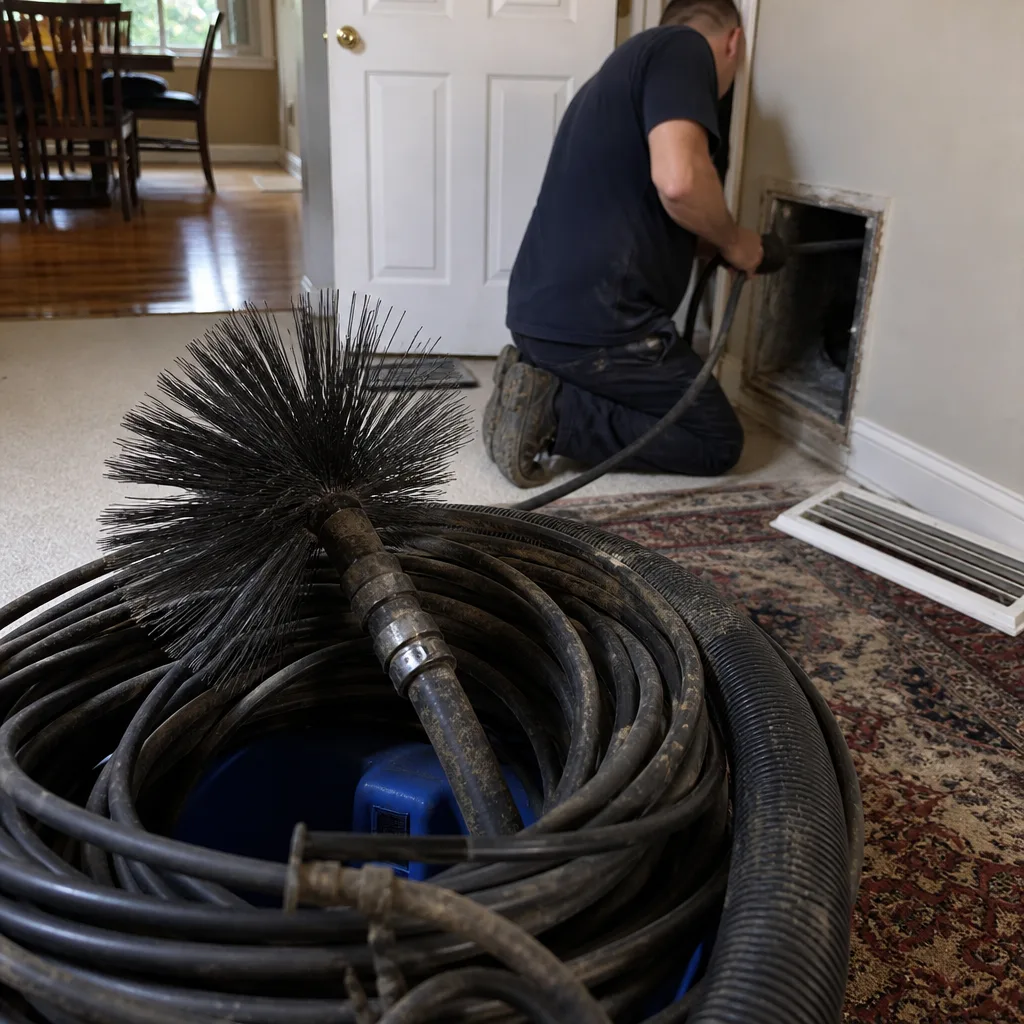 Before
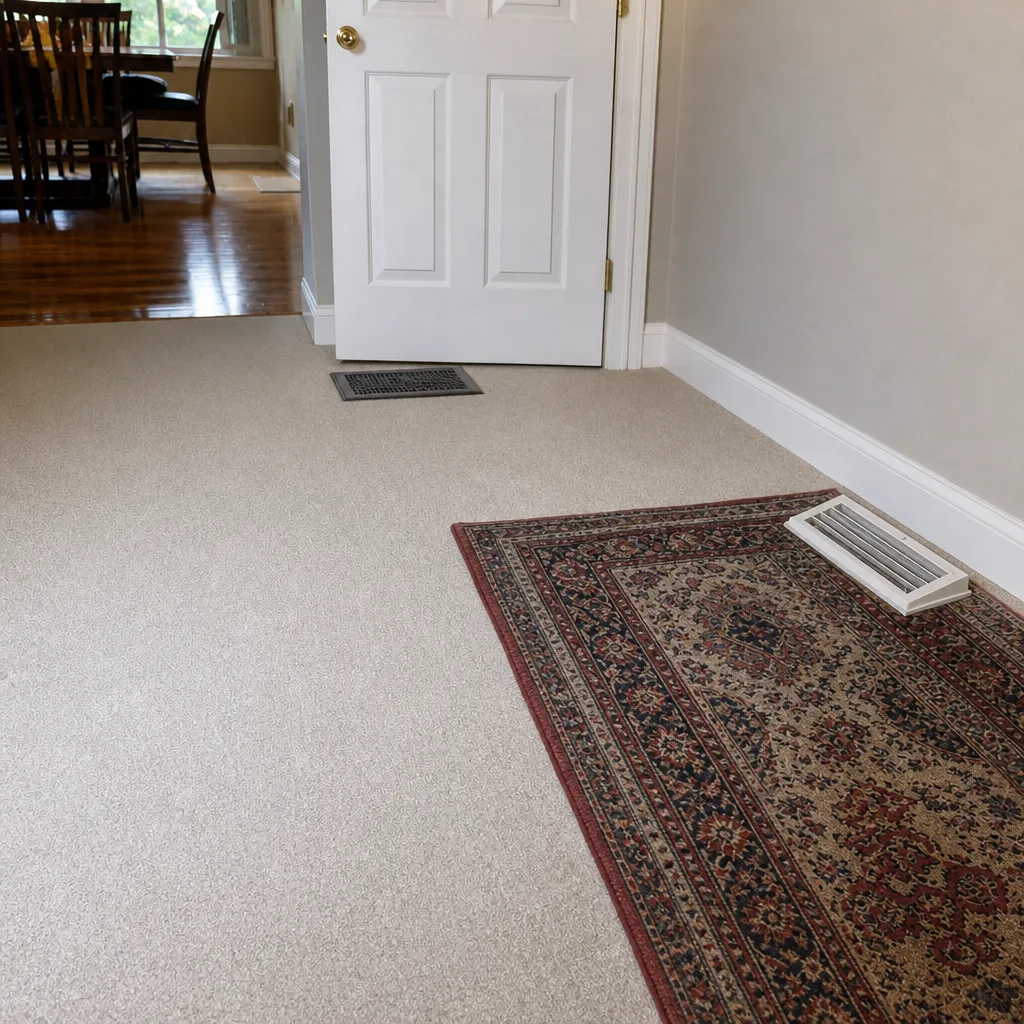 After
 Before
 After
When to Call a Professional
Call a professional when you don’t know what you’re looking at. A duct that’s visibly disconnected in the attic, a run that’s collapsed, a wall penetration you’re not sure is fire-rated, or a repair that a technician flagged during a cleaning all deserve a call before anyone touches anything. The same goes for a system with visible debris, an unusual smell from the vents, or a dryer vent that’s been ignored. We answer these questions honestly, and we tell you when a job belongs with a licensed mechanical contractor instead of us. Madison Air Duct Cleaning Co offers free estimates in Madison – call (844) 443-4890. The estimate is free, the price is set per job by the written estimate, and there’s no surprise line item waiting for you at the end.
Frequently Asked Questions
No. Routine air duct cleaning doesn’t require a permit in Madison or anywhere in Tennessee. Cleaning removes debris from inside the system without changing it, so it falls outside the mechanical permit process. The permit question comes up only when the work involves repair, replacement of duct sections, new access panels, or anything that penetrates a wall or fire-rated assembly. If a technician proposes that kind of work, ask about the permit before it starts. Call (844) 443-4890 for a free estimate on the cleaning side of the job.
Usually, yes. Meaningful duct sealing that’s meant to repair system leaks is mechanical work under Tennessee code, and it generally belongs to a licensed HVAC contractor. Resealing an access panel that was opened to do the cleaning is finishing the job and doesn’t cross that line. The distinction is whether the seal is part of the cleaning or a repair to the system. If you’re unsure which category your situation falls in, ask before the technician starts. Call (844) 443-4890 for a free estimate and an honest answer about what we’re finding.
Ask for a certificate of insurance and read the coverage description, not just the dates. You want to see general liability and, where employees are involved, workers’ compensation, and you want the certificate to confirm in-duct cleaning and repair are covered activities. Confirm the certificate names the entity you’re actually hiring and that it’s current. A contractor who’s uncomfortable with that request is telling you something. Call (844) 443-4890 with questions about what we carry before you book, and we’ll walk you through it.
An inspector checks that the work matches the permitted scope, that duct connections are sealed and supported per code, that fire-rated penetrations are protected correctly, and that access panels are in place. For most duct work there’s a rough-in inspection before the system is closed up and a final inspection when the work is done. Your contractor schedules the inspections as part of pulling the permit. Call (844) 443-4890 for a free estimate on any duct work you’re planning.
Yes. HVAC mechanical permit history is a public record and any homeowner can request it from the Metro Nashville/Davidson County codes department. Give them your full address and ask specifically for mechanical and HVAC permits, plus the inspection results, because a permit that was pulled but never inspected is a different situation. Keep the copies for your records if you plan to sell. Call (844) 443-4890 if you want to talk through what the history means for a project in Madison.
Ask for before-and-after photos of your own ducts, not a stock photo from a brochure. Ask what equipment was used and how the debris was captured, because a professional setup uses negative-pressure containment and HEPA-class equipment so what’s dislodged doesn’t recirculate through the home. We deploy Abatement Technologies air filtration on-site and run Nikro HEPA-class equipment for exactly that reason. If a contractor can’t show you the work, that’s a problem. Call (844) 443-4890 for a free estimate and a clear explanation of how we document the job.
The Bottom Line
Cleaning your ducts in Madison is maintenance and stays outside the permit process. Repairing, sealing, or modifying them is mechanical work under Tennessee code, and that’s where permits, licensing, and inspections come in. The practical rule: know which category the work falls into before it starts, ask to see insurance that covers in-duct activity, check your permit history before you buy or sell, and never let anyone touch a fire-rated penetration without the right oversight. That’s the honest version of this trade, and it’s the version we work to every day.
If you’re planning a duct project in Madison and want a straight answer about what’s cleaning and what’s code, we’re happy to take a look. Our technicians have up to 15 years of experience, we trace the full air pathway before any work begins, and we repair what we find on the same visit. Call (844) 443-4890 for a free estimate – estimates are free and the price is set per job by the written estimate. We answer 24/7. Fast dispatch from 7am to 7pm, Sunday through Friday, and we’re closed Saturday. Start with the Madison Air Duct Cleaning Co team and an honest look at your system.
Written by the team at Madison Air Duct Cleaning Co.